
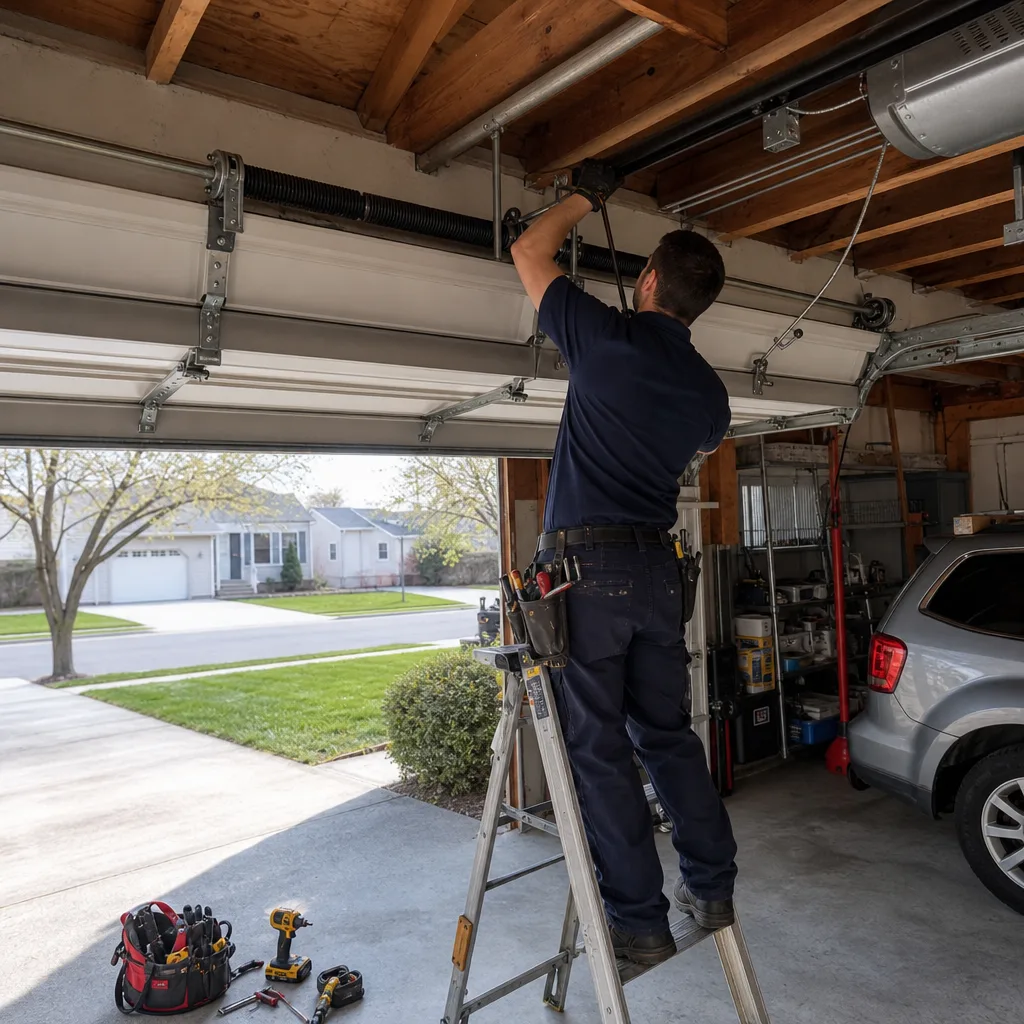
Last updated November 21, 2026
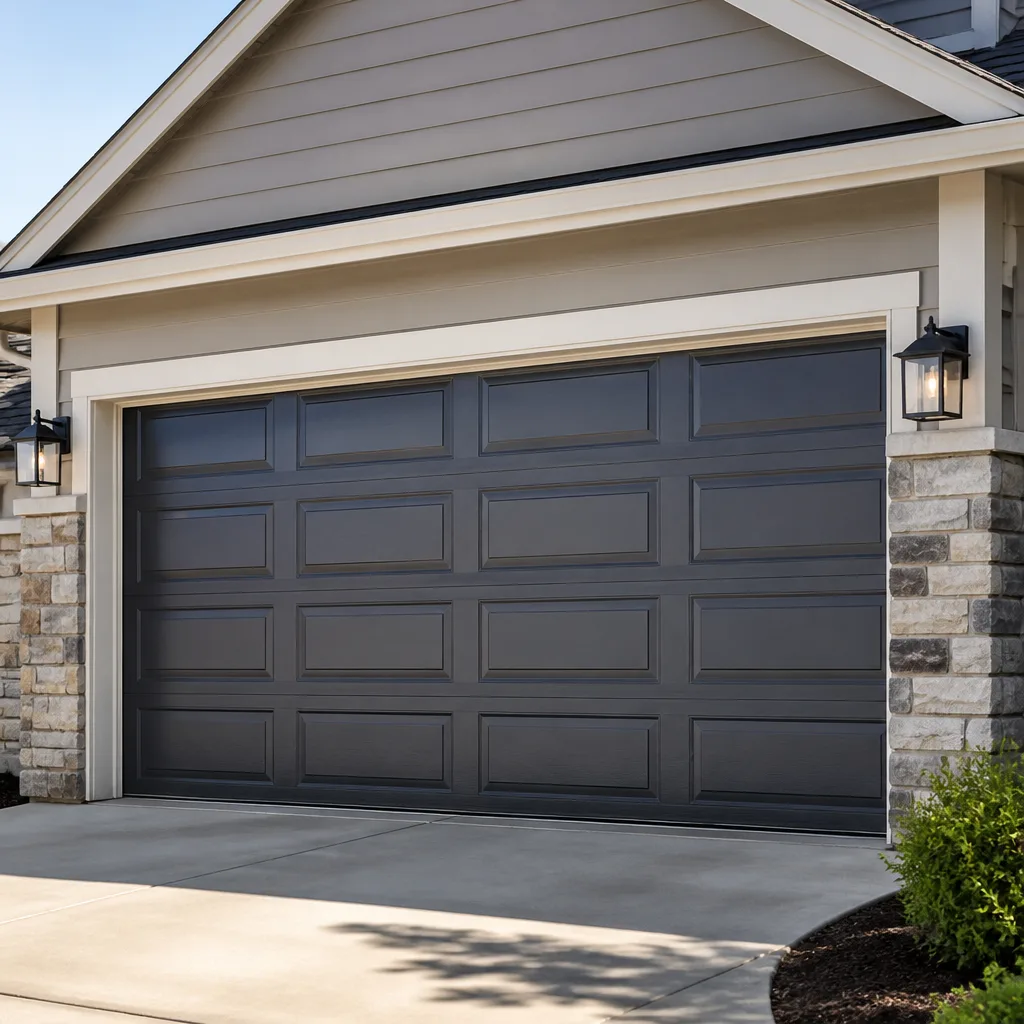 Raised-panel steel
 Carriage house
 Modern flush
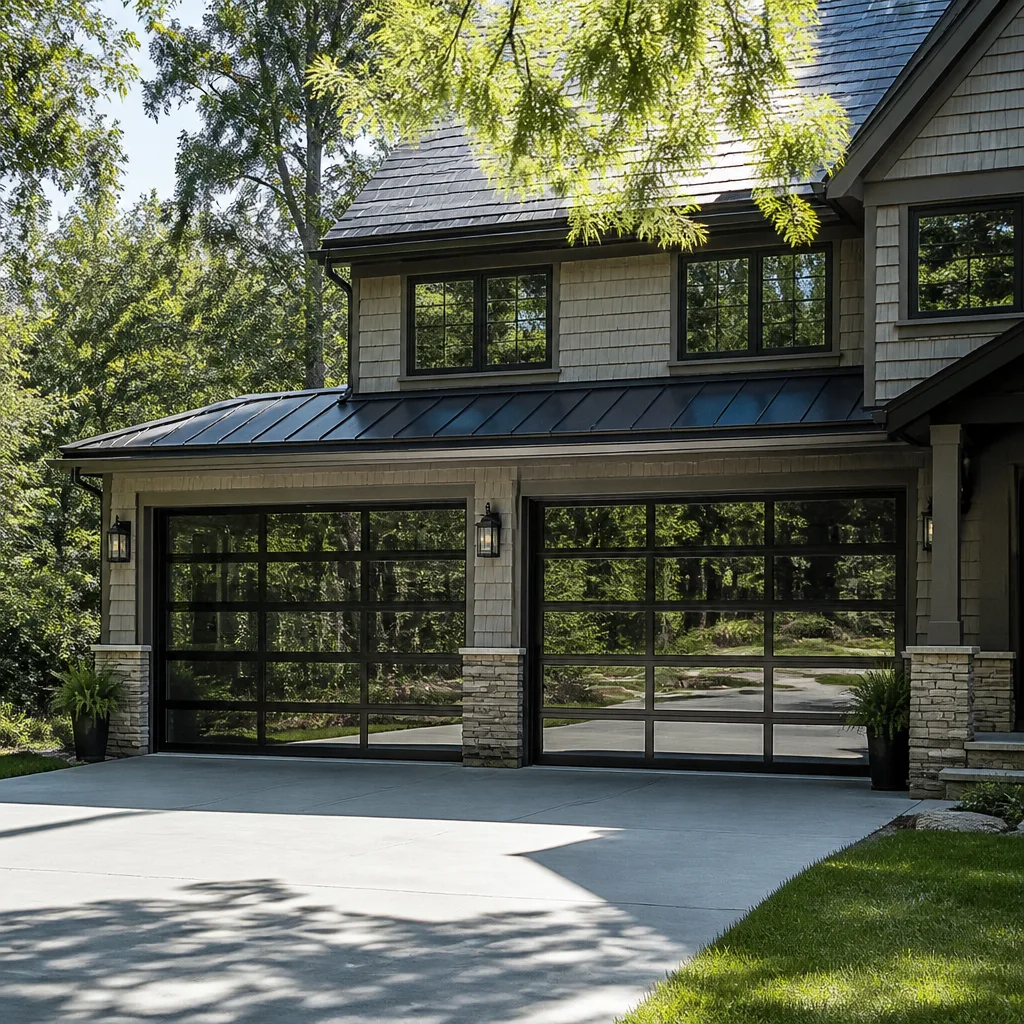 Full-view glass
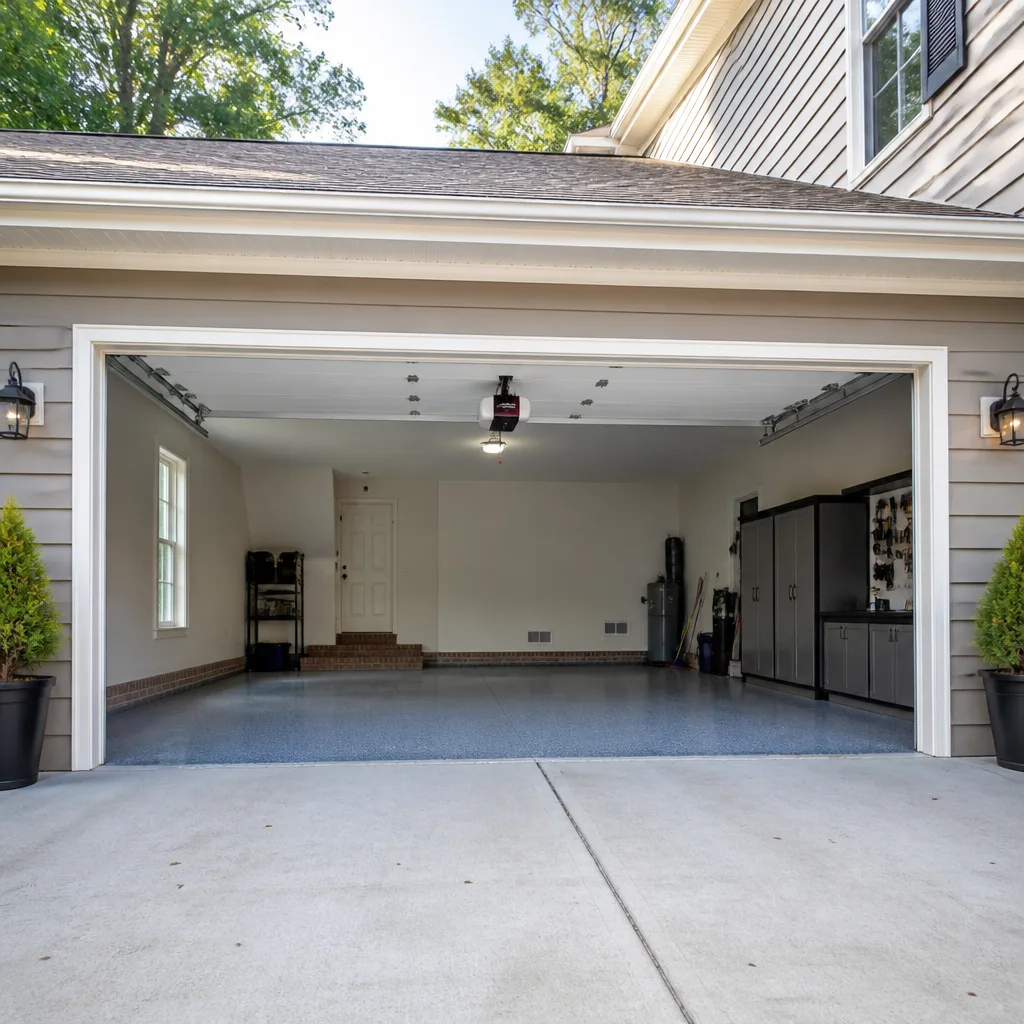 LiftMaster openers
 Chamberlain openers
Full 25-point door and opener safety check with every visit - springs, cables, rollers, tracks, and your LiftMaster or Chamberlain opener included
You get a price before we start. It does not change when the pro arrives.
Get your free estimateGarage Door Emergency Preparedness Guide for Bristol Homes
Most garage door emergencies in Bristol don’t start with the door. They start with the homeowner standing in the dark, pulling a release cord that hasn’t moved since the day it was installed, and finding it won’t budge. Connecticut averages 18 winter storm events a year, and the door is usually the first thing that quits when the power drops. Not because the storm broke it, but because nobody ever tested the manual release while the lights were still on. This guide is a contingency manual, not a panic guide. You’ll learn how your opener disengages, how to move a door safely when a spring has failed, how to free a frozen seal without wrecking it, and what belongs in a $30 kit that handles most non-mechanical emergencies in Bristol on its own.
Quick Answer
The core of garage door emergency preparedness in Bristol is knowing how to manually release your specific opener, keeping a small kit of five cheap items on hand, and knowing which failures you can manage yourself versus which ones need a trained specialist the same day. Power outages, frozen seals and damaged panels are usually manageable. A broken spring, a snapped cable or a door that has come off its track is not. If you’re facing one of those right now, call (844) 693-1911. We answer 24/7, with fast dispatch from 7am to 7pm, Sunday through Friday.
Styles & brands we work with
- Raised-panel steel
- Carriage house
- Modern flush
- Full-view glass
- LiftMaster openers
- Chamberlain openers
Table of Contents
- Know Your Opener Before You Need to Release It
- Manual Release Differences Across the Five Most Common Bristol Openers
- Operating a Door Manually When a Spring Has Broken
- Winter-Specific Emergencies: Frozen Seals and Ice Bonding
- After a Vehicle Impact: The Structural Check
- The Five-Item Emergency Kit Under $30
- Emergency Triage: What You Can Fix and What You Can’t
- Preventive Checks That Stop Most Emergencies
Know Your Opener Before You Need to Release It
The single most useful thing you can do for garage door emergency readiness in Bristol is learn your opener while it works. Every residential opener sold in the last several decades has a manual release. The part that fails is not the mechanism; it’s the fact that the release has sat unused for years, gathering grit and stiffening in a garage that sees freezing winters and humid summers.
Start by identifying what you have. The brand is stamped or printed on the motor housing, and the model number is usually on a label on the back or underside of the unit. Homes across Bristol run a wide range of hardware, from older chain-drive units to newer smart-enabled belt-drive models. We work on Raynor, LiftMaster, Chamberlain and Genie systems regularly, along with Clopay, Amarr, Wayne Dalton and Craftsman doors and openers. The older the unit, the more likely the release is stiff.
Here’s the core check, done while the door is closed and the opener is disconnected from power:
- Locate the red or black release handle hanging from the carriage on the rail. On most openers it’s a T-handle on a cord.
- Pull it straight down firmly. You should hear and feel the carriage disengage from the trolley.
- With the door disengaged, lift it by hand a few inches and let it settle. A properly balanced door stays put or drifts only slightly.
- Re-engage the carriage by running the opener (with power back on) until it clicks back into the trolley.
If the cord won’t pull, or if it pulls but the door feels enormously heavy, stop. That tells you the spring system is failing and the manual release may be the only thing keeping the door from dropping hard. A trained technician should look at it before you rely on it. If you’re noticing the door getting heavy or sluggish, our garage door repair team can check spring balance, cables and hardware before a failure happens.
Manual Release Differences Across the Five Most Common Bristol Openers
The release procedure is broadly the same across brands, but the details catch people off guard. Here’s where the five most common openers in Bristol homes differ.
LiftMaster
LiftMaster’s release cord hangs from the carriage and disengages with a firm downward pull. Newer models with a battery backup will keep the door moving during an outage, so the manual release may not be needed until the battery drains. If your unit has a backup, check the battery indicator first.
Chamberlain
Chamberlain shares engineering with LiftMaster, so the release feels familiar. The difference is often in the safety sensors: if the sensors are misaligned, the opener will refuse to close the door even after the power returns. Check that the sensor LEDs on both sides are solid, not blinking, before you assume the opener is broken.
Genie
Genie units often use a different carriage design, and the release cord may sit at a slightly different angle on the rail. On some older Genie models the release requires a sharper, more direct downward pull rather than a gentle one. If the door won’t disengage, don’t force it; the trolley may be misaligned.
Craftsman
Craftsman openers, common on older Bristol homes, often have a stiffer release after years of use. The cord itself may have frayed or the handle may be missing, with only a bare string left. If the cord is damaged, have it replaced before relying on it in an emergency.
Raynor
Raynor systems, including their opener line, use a release that’s generally straightforward. The brand is also common on the door side, and on older Raynor doors the torsion springs may be at end of life, which makes the manual release feel heavier than expected. That heaviness is a spring symptom, not an opener symptom.
The pattern holds across all five: the release belongs to the carriage, not the motor. Knowing which brand and model you have means a technician arrives already familiar with your system, not learning it in your driveway. For opener-specific help, our garage door opener repair page covers what typically goes wrong and how it’s diagnosed.
Operating a Door Manually When a Spring Has Broken
This is the section to read carefully, because it involves the most dangerous component in your garage door. A torsion or extension spring carries the weight of the door. When one breaks, the door becomes dramatically heavier, and the hardware that holds it can fail under that load.
The weight math is simple and sobering. A standard single-car door might weigh around 130 to 150 pounds; a double-car door can run 200 to 300 pounds or more. The springs are what make that weight feel like five or ten pounds to the opener. With a spring broken, you’re lifting the full door weight, or close to it, by hand. If you can’t lift it with a firm but reasonable effort, don’t keep trying. Straining against a door that heavy can pull hardware loose or drop the door on you.
If you need to move the door manually, use a two-person technique:
- Confirm the door is on its track and the rollers are seated. Don’t attempt this if the door has come off the track.
- Disengage the opener using the manual release, with the door fully closed.
- One person lifts from the bottom center handle, using legs, not back. The second person stands to the side and watches the track, the panels and the cables for any sign of binding or slack.
- Lift slowly and partway. Never lift the door all the way open and walk under it if the spring is broken; the door can drop without the spring’s counterbalance.
- If it binds, stop and prop it securely with a braced support before doing anything else. Do not use your body to hold a door in place.
Once you can close and secure the door, leave it and call. A broken spring is a same-day call, not a DIY job. Springs are under extreme tension and the handling requires specific tools and training. Our garage door spring repair service exists for exactly this, and our technicians have up to 12 years of experience with torsion and extension systems. Call (844) 693-1911 for help.
Winter-Specific Emergencies: Frozen Seals and Ice Bonding
Winter in Bristol creates a predictable pair of problems: a bottom seal frozen to the slab, and ice bonding along the threshold. Neither is a mechanical failure, but both can damage the door or the weatherstripping if handled badly.
When the door is frozen shut
The opener will try to lift a door that’s bonded to the ground, and it will either strain the opener or flex the panels. Before pressing the button on a cold morning, look at the bottom seal. If it’s frozen down, don’t run the opener.
- Turn off the opener at the wall or remote so nobody triggers it by habit.
- Break the bond gently at the bottom corners first, working along the threshold with a plastic scraper, never a metal tool that will gouge the seal or the slab.
- If the seal is stuck firmly, apply warm water from a jug along the base to loosen the ice. Avoid hot water on very cold glass or painted metal panels.
- Once freed, open the door a few inches by hand to confirm nothing is binding before restoring power.
Preventing the freeze
The prevention step is cheaper than the repair. Keep the threshold clear of snowmelt and refreeze, and check the bottom seal for cracks and gaps that trap water. A seal that’s already torn or brittle is the one that freezes hardest. If your weatherstripping is at the end of its life, replacing it before the next cold snap is the fix.
If you’ve broken the seal or bent a panel trying to free a frozen door, a technician can assess whether the door or opener took damage. Our Bristol Garage Door Repair Pros team handles winter calls and can tell you whether it’s a seal replacement, a panel issue or something the opener strained.
After a Vehicle Impact: The Structural Check
A bumper taps the bottom panel in the driveway more often than people admit. The question is never “is the dent ugly?” It’s “can this door still be operated safely?” Panels are part of the door’s structure, and a compromised panel can distort the track, throw the rollers out of alignment and put uneven load on the springs.
Before you use the door again after a vehicle impact, do a structural check:
- Look along the track for bends, kinks or sections that are no longer straight. A track out of line means the rollers will bind.
- Check that every roller is seated inside its track. A popped roller can let the door fall sideways.
- Look at the springs and cables for slack or kinks that weren’t there before.
- Test the balance by hand, with the opener disengaged. If the door feels heavier or binds at any point, stop.
- Listen for scraping or grinding during a short manual movement. Any of these means do not operate the opener.
If the check passes, you can raise and lower the door by hand gently to confirm smooth movement. If anything is off, leave the door closed and secure and call for a professional assessment. A damaged panel can sometimes be replaced without replacing the whole door, which is why a full-door replacement isn’t automatically the answer. Our garage door repair team can measure, order and fit a replacement panel if that’s what’s needed. Installation and replacement are scheduled work, not a same-day call, so a free measure and a written price are the first step.
The Five-Item Emergency Kit Under $30
Most garage door emergencies in Bristol are not mechanical failures at all. They’re a dead power supply, a frozen seal, a misaligned sensor or a stranded car. Five inexpensive items resolve the majority of those yourself, without calling anyone.
- A flashlight: a small LED flashlight stored in the garage, not in the house. During an outage, you need light at the door, not across the property. Check the batteries twice a year when you change your smoke detector batteries.
- A plastic scraper: a cheap plastic ice scraper or plastic putty knife, kept near the door, for freeing a frozen bottom seal without damaging the weatherstripping or the threshold.
- A spare opener battery: a fresh coin cell or AAA battery for your remote. A remote that suddenly stops working is almost always a dead battery, not a dead opener.
- A labeled manual release tag: a bright tag or zip-tie on your release cord so anyone in the household can find it in the dark. A cord that’s rusted to its track or hidden behind shelving is useless in an emergency.
- A printed contact note: a small card on the wall with your garage door specialist’s number. In a real emergency, nobody wants to search their phone for a number. Ours is (844) 693-1911.
Total cost at any hardware store is well under $30. The payoff is avoiding a service call for a battery, a frozen seal or a sensor that needed a nudge. Some homes also add a manual can opener and a spare key to a side door, but for the door itself, these five cover the predictable problems.
Emergency Triage: What You Can Fix and What You Can’t
The most useful skill in a garage door emergency is knowing the difference between a problem you can manage and one that could hurt you. Here’s the triage line we use.
Usually manageable yourself
- Power outage with a healthy door and spring system. Disengage the release and operate the door by hand, or wait for power to return if the door is safe to leave closed.
- Remote not working. Check the battery; check the wall button; check the safety sensor alignment.
- Frozen bottom seal. Free it carefully with warm water and a plastic scraper.
- Safety sensors misaligned. Straighten them, clear any obstruction, and confirm the LEDs are solid.
Call a specialist
- A broken spring, either torsion or extension. No exceptions.
- A snapped or slack cable.
- A door off its track, hanging crooked, or refusing to move evenly.
- A panel or section with structural damage from a vehicle impact.
- An opener that grinds, smokes, hums without moving, or trips a breaker.
If you’re unsure which category your problem is in, the safe answer is to treat it as the more serious one. A short call tells you what to do next. Call (844) 693-1911. We answer 24/7 and give free estimates over the phone where we can.
Preventive Checks That Stop Most Emergencies
Almost every predictable emergency in this guide has a preventive check that takes a few minutes. A little routine attention in Bristol homes saves a lot of frozen mornings and stuck cars.
Every few months, walk the door through a short checklist:
- Test the manual release while the opener is off. Confirm it pulls cleanly and re-engages.
- Lift the door by hand to check balance. If it feels heavy or binds, book a service call before it fails.
- Look at the springs for rust, gaps or coil separation. Surface rust is normal; broken coils are not.
- Check the cables for fraying, kinks or slack.
- Confirm the bottom seal is intact and not frozen to the slab in winter.
- Clean and test the safety sensors. Wipe the lenses and confirm both LEDs are solid.
- Run the opener and listen. Grinding, squealing or uneven motion means it needs attention.
If a door has gone through several winters without a check, the first cold snap tends to expose the weakest part. A spring repair call today is cheaper and easier than a full panel replacement after a spring failure drops the door. Our technicians have up to 12 years of experience reading door and opener systems, and a routine visit often catches the failure before it happens.
Common Mistakes to Avoid
- Never testing the manual release until the power is out. The release exists for emergencies, but if you’ve never pulled it, you don’t know whether the cord is frayed, rusted or missing. Test it while the lights are on.
- Using the opener on a door with a broken spring. The spring is what makes the door light enough for the motor; a broken spring means the opener is fighting the full door weight, and that wear doesn’t come back.
- Forcing a frozen bottom seal with a metal tool. A metal scraper will tear the weatherstripping and gouge the slab. Use a plastic tool and warm water.
- Repeatedly running an opener that grinds or hums without moving. That behavior is a symptom. Every extra cycle risks further damage to the motor or the door.
- Assuming a damaged panel is only cosmetic. After a vehicle impact, a panel that looks like a dent can distort the track and load the springs unevenly, which turns a panel replacement into a full system problem.
- Ignoring a bottom seal that’s cracked or brittle in Bristol’s winters. A failing seal traps water and freezes harder the next cold snap, and the wear gets worse every season.
- Pressing the opener when the door feels heavy. A door that’s normally light and suddenly isn’t is a spring problem, not a motor problem, and running the opener makes it worse.
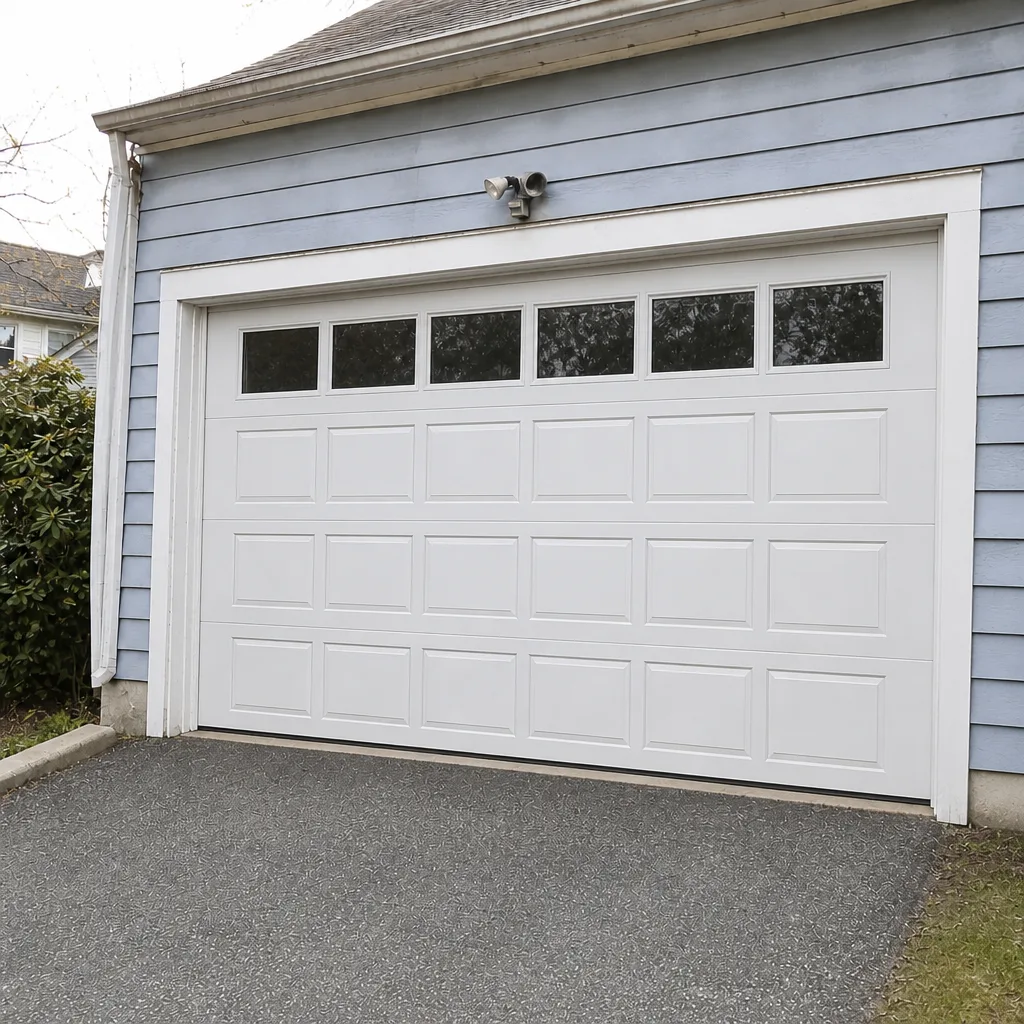
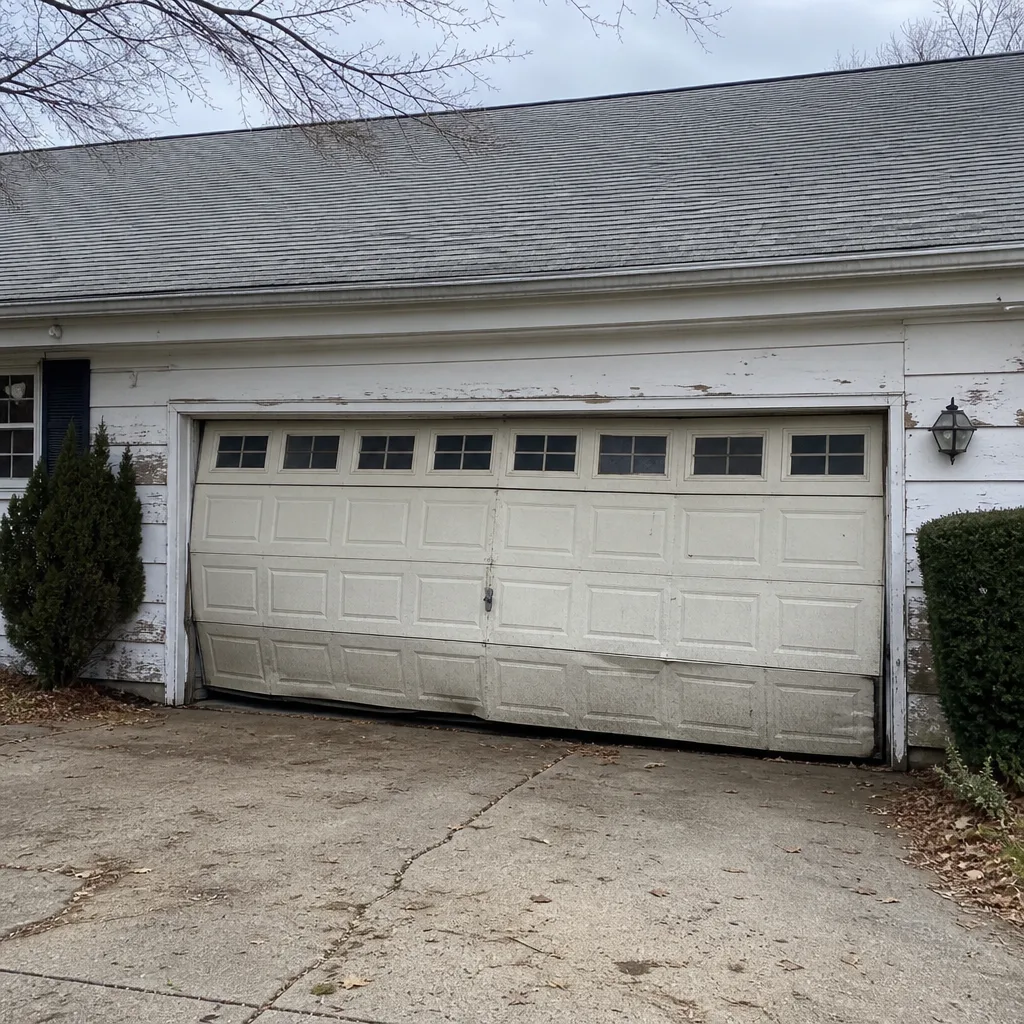
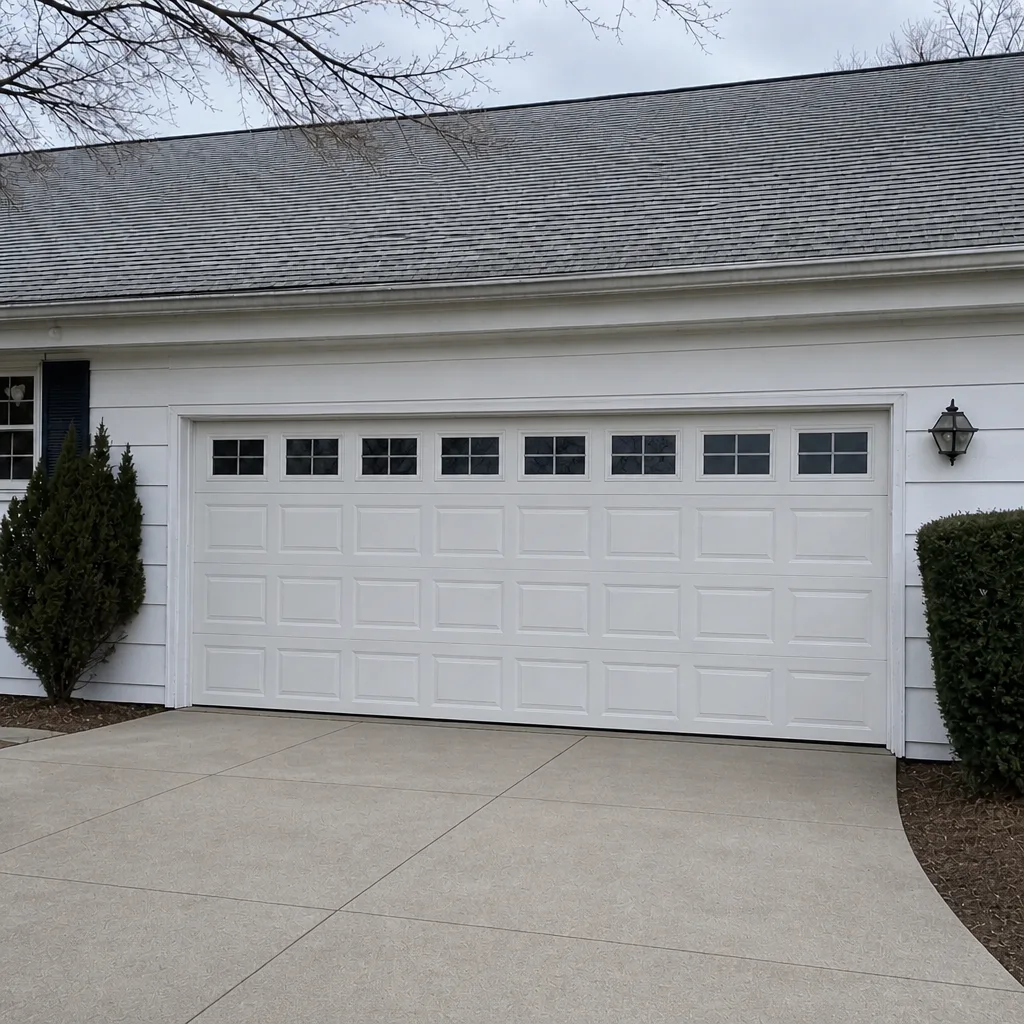
See the difference
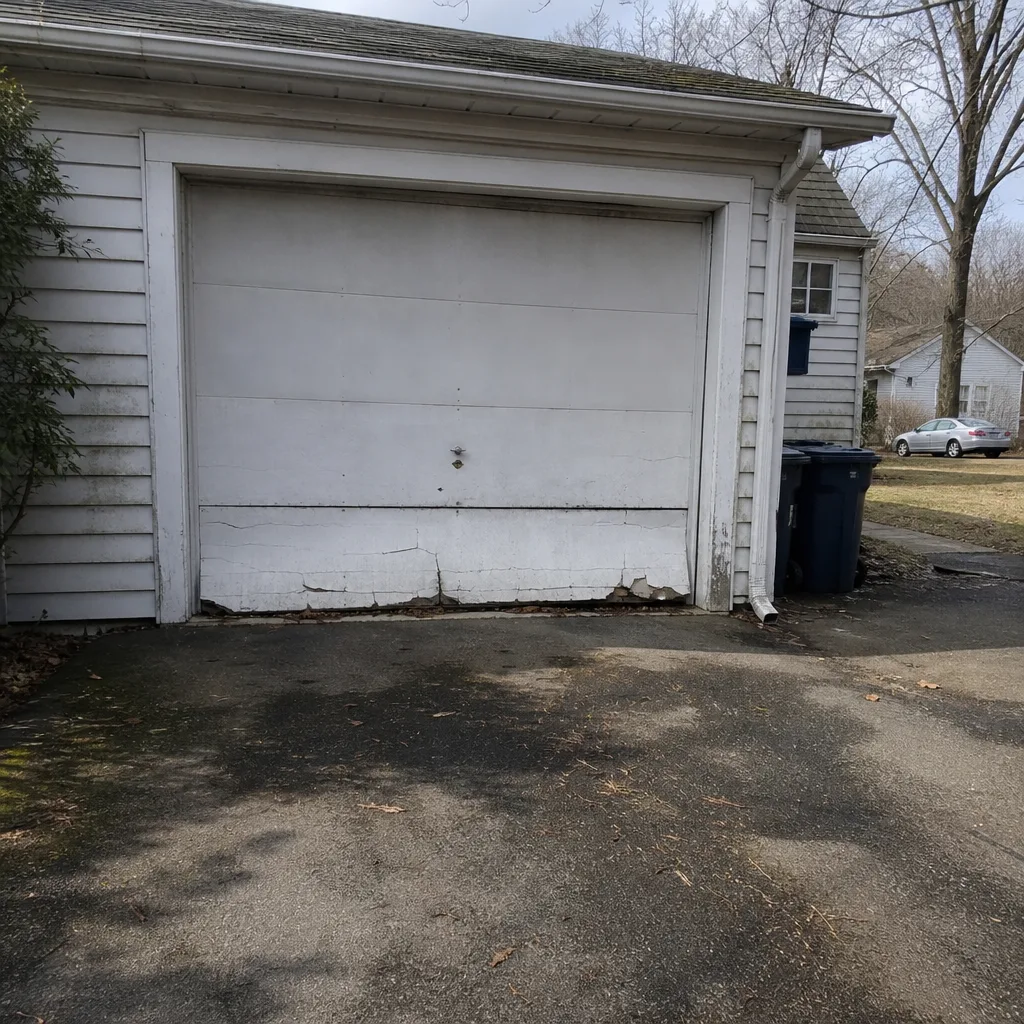 Before
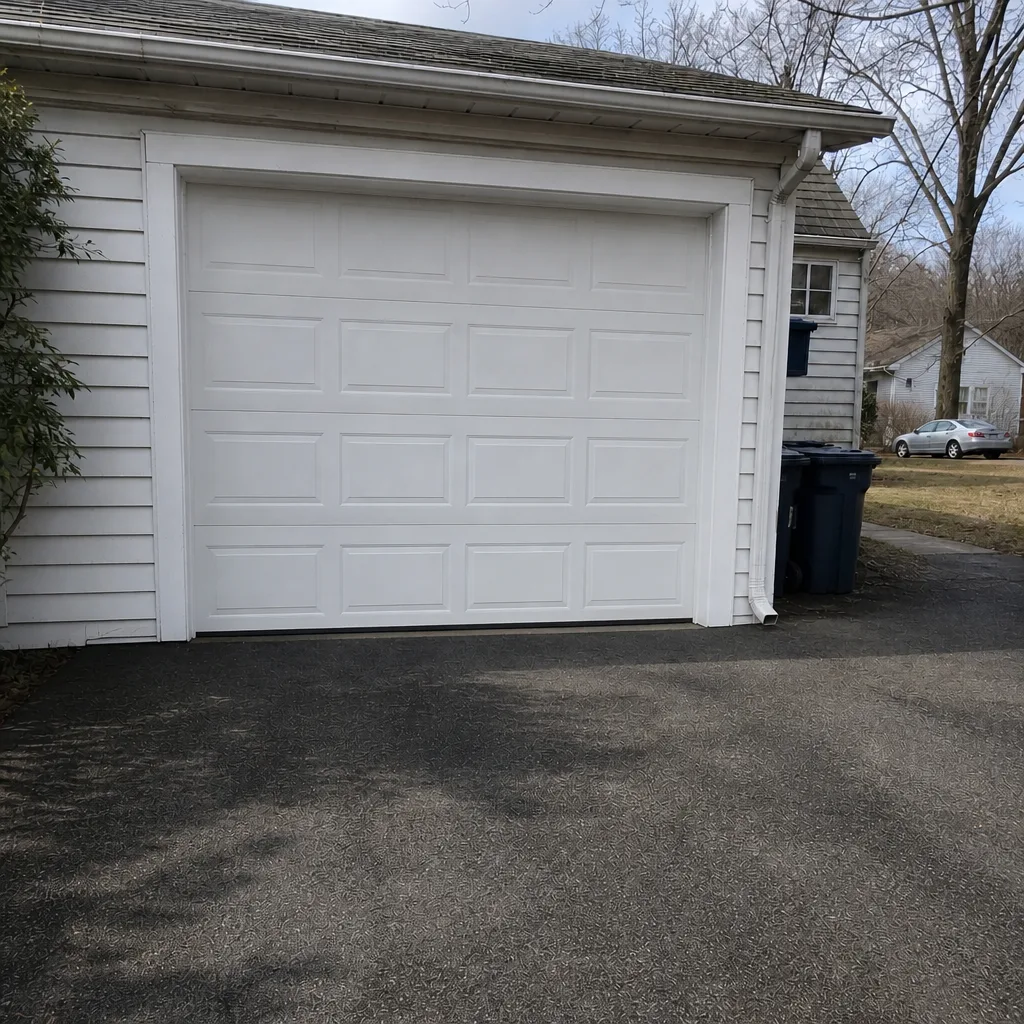 After
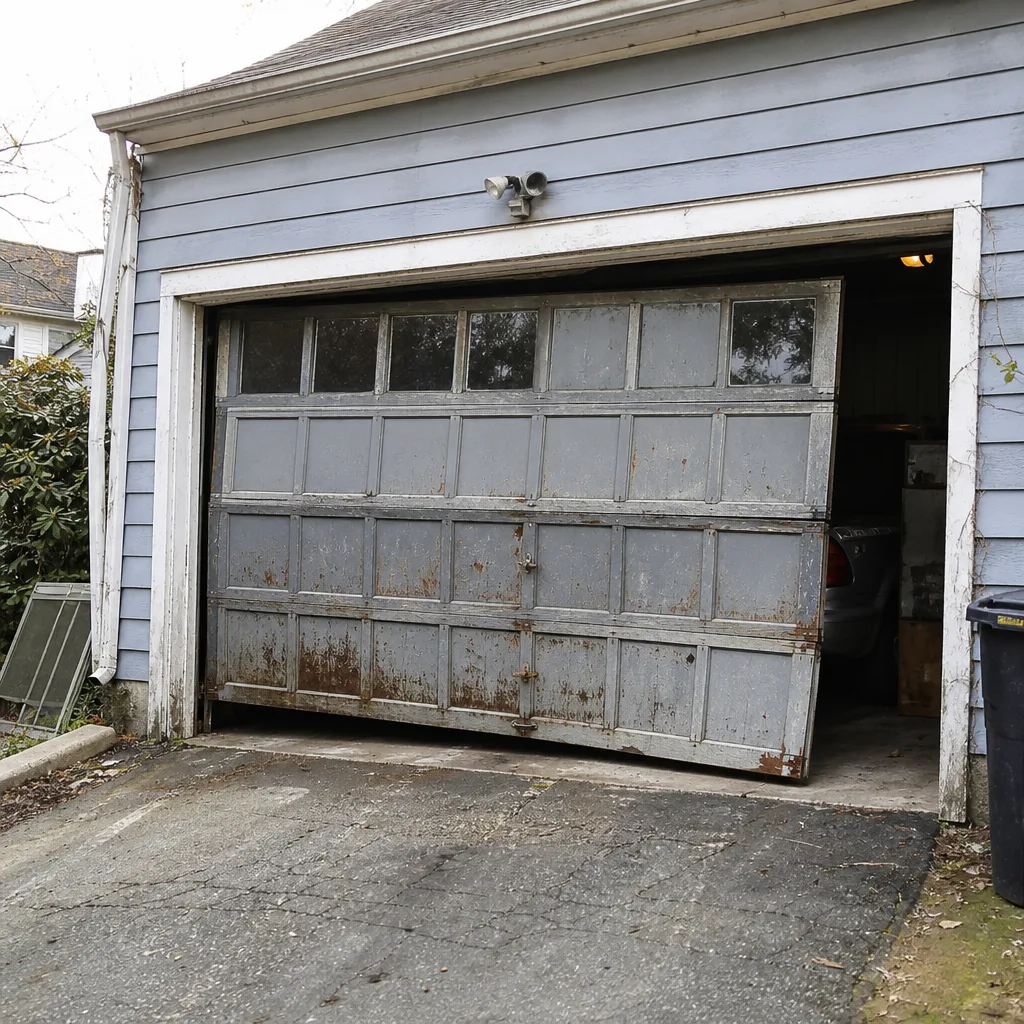 Before
 After
 Before
 After
When to Call a Professional
A garage door emergency is one where the door won’t move safely, won’t secure the home, or won’t let the car out. Spring failures, snapped cables, doors off track and structurally damaged panels all fall into that category, and none of them should wait. An opener that grinds or smokes, a door that binds or hangs unevenly, and a sensor fault that won’t clear are also calls for a technician. For those, Bristol Garage Door Repair Pros offers free estimates in Bristol – call (844) 693-1911. We answer 24/7, with fast dispatch from 7am to 7pm, Sunday through Friday. Our technicians arrive already familiar with your opener brand and door system, and the price is quoted and agreed before any work starts.
Frequently Asked Questions
Start by identifying the cause before forcing anything. If the power is out, use your manual release. If the opener runs but the door doesn’t move, suspect a broken spring or a disengaged carriage. If the door is frozen to the slab, free the bottom seal before running anything. If you’re unsure of the cause, keep the door closed and secure and call.
Only with caution, and only with a second person to spot you. A door with a broken spring weighs close to its full weight, and it can drop without warning. Lift partway, never walk under it, and prop it securely before doing anything else. In most cases the safer choice is to leave the door in place until a technician arrives.
Test it while the opener is off and the door is closed. The handle should pull straight down firmly and disengage with a clear click. If the cord is frayed, missing, or rusted to its track, don’t rely on it. Have it replaced before the next outage.
A power outage is the usual culprit in Connecticut winter storms, and the door isn’t broken; the opener just has no power. Check whether your unit has a battery backup, and confirm the manual release works. If the door worked before the storm and still won’t move once power is back, the problem is mechanical and needs a technician.
Yes, if the opener runs while the seal is frozen to the slab. The opener lifts against the bond, which can strain the panels and put load on the springs. Don’t run the opener on a frozen door. Free the seal first with warm water and a plastic scraper.
No. A single damaged section can often be replaced without replacing the whole door, but a technician has to check the track, rollers and springs first. If the impact distorted the track or threw the rollers out, the fix is bigger than the panel. A free measure and a written estimate settle the scope.
The Bottom Line
Most garage door emergencies in Bristol follow a pattern, and the pattern has a playbook. Know your opener, test your manual release while the power is on, keep a small kit of cheap items near the door, and learn the difference between a problem you can manage and one that can hurt you. A frozen seal, a misaligned sensor or a dead remote battery is yours to handle. A broken spring, a snapped cable or a damaged panel is not. When it’s the latter, one call covers it, and the price is agreed before any work starts. Call (844) 693-1911 for a free estimate. We answer 24/7, with fast dispatch from 7am to 7pm, Sunday through Friday.
Written by the team at Bristol Garage Door Repair Pros.