
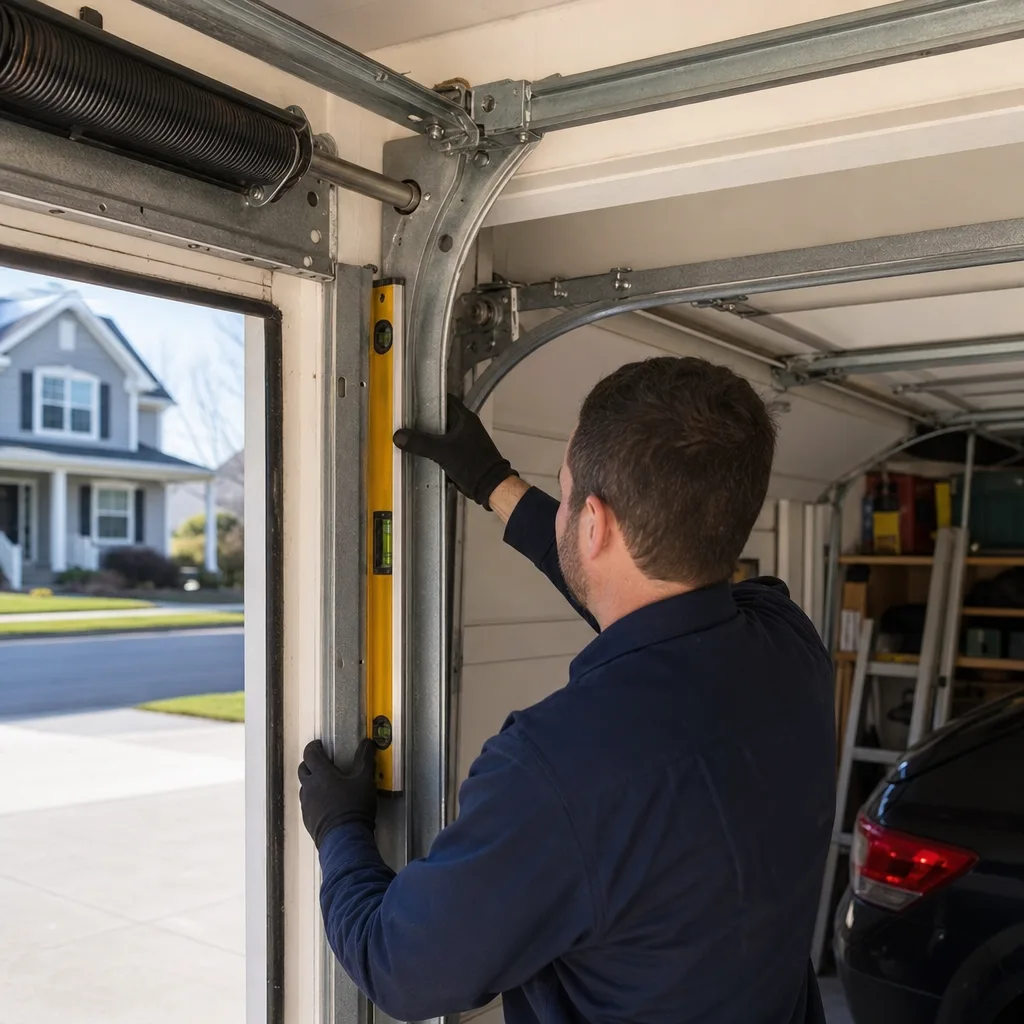
Last updated November 21, 2026
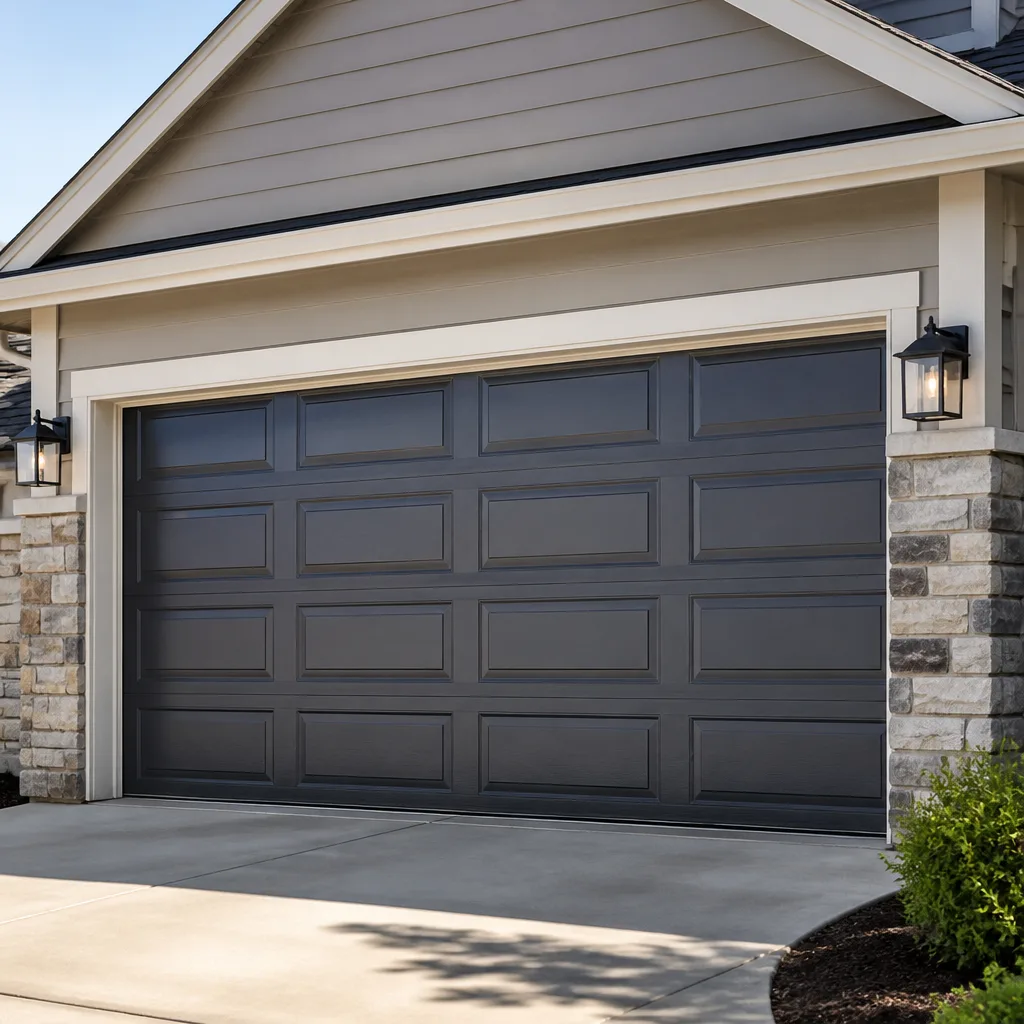 Raised-panel steel
 Carriage house
 Modern flush
 Full-view glass
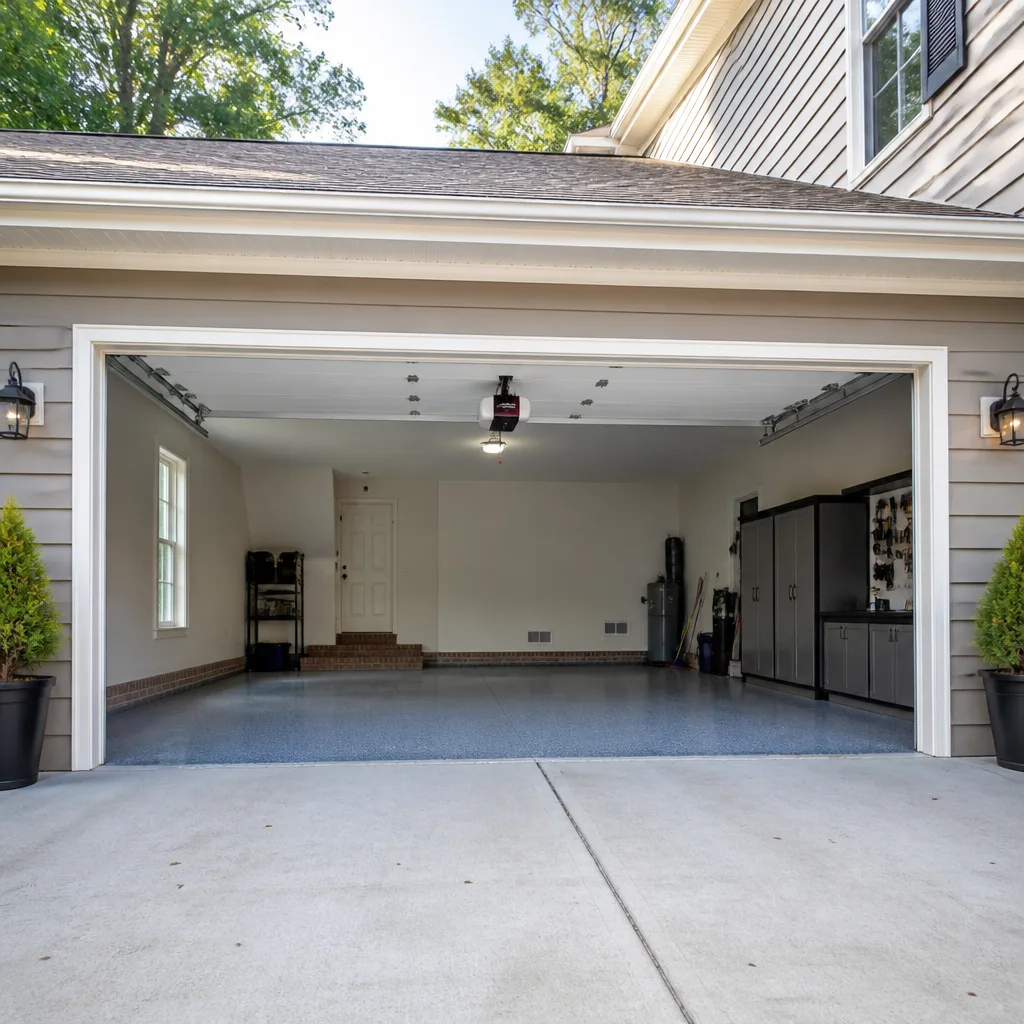 LiftMaster openers
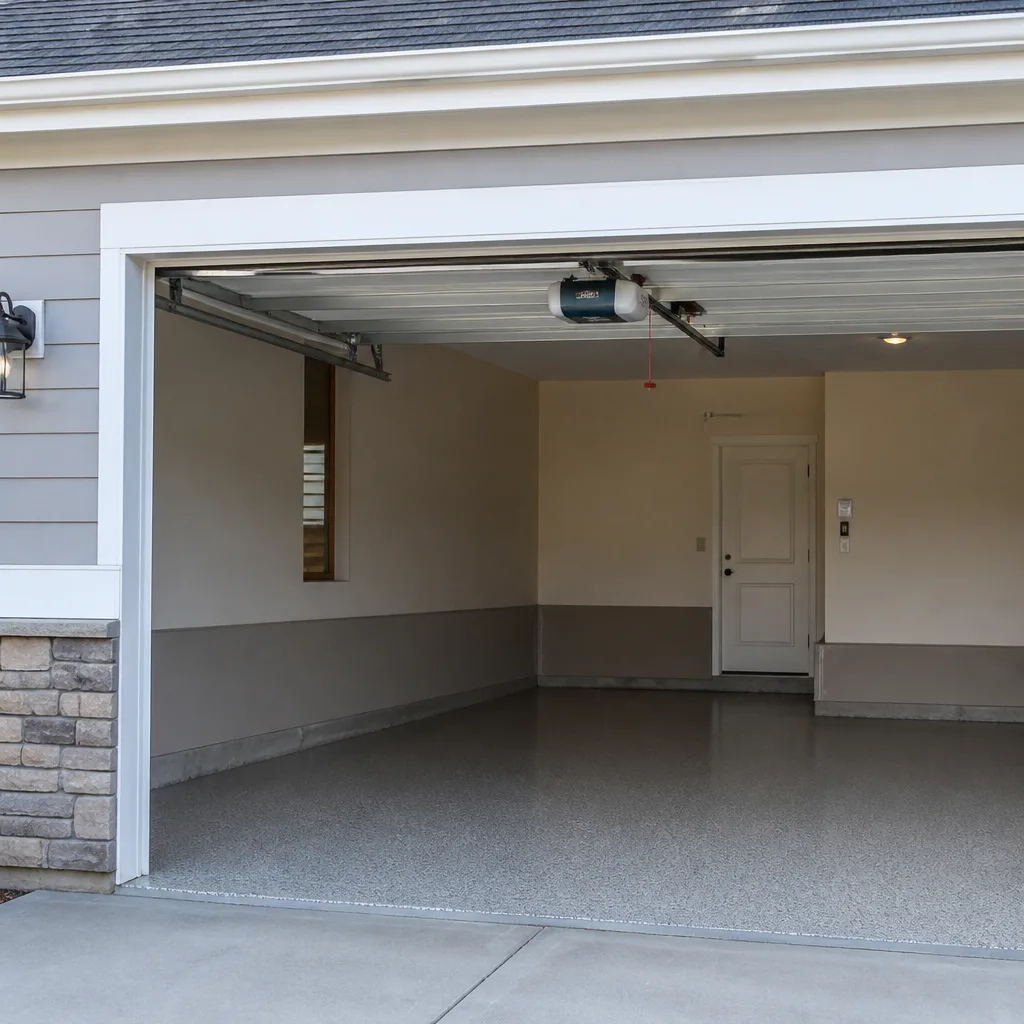 Chamberlain openers
Full 25-point door and opener safety check with every visit - springs, cables, rollers, tracks, and your LiftMaster or Chamberlain opener included
You get a price before we start. It does not change when the pro arrives.
Get your free estimateGarage Door Repair Maintenance Checklist for Bristol Homeowners
A loose track bolt doesn’t stay loose. It telegraphs vibration into the roller, then the roller bracket, then the cable drum. By the time the door jams halfway down, you’re not fixing one thing, you’re fixing four. That’s the failure cascade, and it’s why the maintenance checklist that actually prevents it looks nothing like the one on the door manufacturer’s website. In this guide we walk through the order in which garage door components degrade here in Bristol, what to lubricate and when, how to check spring tension without tools, and which hardware backs off first as our houses settle. The sequence matters more than the list.
Quick Answer
The core of a Bristol garage door maintenance routine is a short inspection and lubrication pass done twice a year: once in October before freeze season and once in April after thaw. Watch the tracks, rollers, hinges, spring tension and weather seal at each check. Catching a small looseness or dry roller early stops the failure cascade before it reaches the springs or the opener. When something looks off in those checks, a trained technician can verify it safely.
Styles & brands we work with
- Raised-panel steel
- Carriage house
- Modern flush
- Full-view glass
- LiftMaster openers
- Chamberlain openers
Table of Contents
- Why Maintenance Order Matters: The Failure Cascade
- The Right Lubricants for Connecticut Temperature Swings
- How to Check Spring Tension Safely Without Tools
- The Hardware That Backs Off in Older Bristol Homes
- Seasonal Timing: October vs. April
- The Monthly Walk-Around: A Four-Minute Check
- Opener and Safety-Reverse Checks
- Jobs That Belong to a Technician
Why Maintenance Order Matters: The Failure Cascade
Garage door components fail in a predictable sequence. Understanding this sequence is what separates a useful maintenance routine from a checklist of random tasks. The parts closest to the motor and the moving hardware wear first. The bigger, more expensive parts fail last, and only after the smaller failures have beaten on them for months.
The typical cascade goes like this: a dry roller, a loosened hinge, a slightly out-of-line track, a strained spring, a struggling opener. Each stage adds load to the next. Vibration from a loose bolt travels through the steel track and chews up the rollers. A roller that binds tugs on the bracket. A bracket that shifts throws the door slightly off horizontal, and that misalignment works the torsion spring unevenly. By the time you notice a door that won’t close evenly, the parts underneath have been degrading for a while.
Bristol’s climate accelerates this. Winter nights dip into the teens, and summer afternoons push into the eighties and nineties. Metal expands and contracts with every swing. Fasteners under concrete vibration loosen a fraction of a turn at a time. A garage door has hundreds of small moving connections, and each one reacts to that temperature cycling differently. That’s why the check order below starts small and works up: a homeowner catches the loose hinge before it becomes a bent track.
The four-stage failure sequence
- Stage 1 – Lubrication and fasteners. Rollers dry out, hinges squeak, bolts back off. Cheap and quick to correct.
- Stage 2 – Rollers and brackets. A binding roller wears its bracket. The door starts to feel uneven or noisy.
- Stage 3 – Track alignment and cables. Misalignment strains the cable system and the door starts to rub or drift.
- Stage 4 – Springs and opener. The heaviest load lands here. These are the expensive repairs and the reason catching stage 1 saves real money.
When the cascade reaches stage 3 or 4, it’s usually time for garage door repair rather than maintenance.
The Right Lubricants for Connecticut Temperature Swings
Not every lubricant belongs on a garage door, and the wrong product can do more harm than good in a Connecticut winter. The two that work year-round in Bristol are white lithium grease and silicone spray. Each has a role, and neither gums up when temperatures drop below freezing.
White lithium grease works well on the heavier, slower-moving metal parts: hinges, rollers and the pivot points where the door arm meets the opener rail. It stays put under load and holds up through freeze-thaw cycles. Silicone spray is thinner and better for the weather seal around the door bottom, the torsion spring coils and any surface where you don’t want a sticky layer that collects grit. Some technicians use a dry PTFE spray on tracks as well, which keeps the door gliding without attracting dust.
What to use where
- Hinges and pivot points: white lithium grease, applied sparingly with a small nozzle.
- Rollers: a light shot of white lithium, not a heavy coating, so the roller keeps its seal.
- Springs: a thin silicone spray along the coil, not grease, so grit doesn’t cling.
- Weather seal: silicone spray, which conditions the rubber and helps it stay flexible in the cold.
- Tracks: a dry PTFE spray or nothing at all; a little goes far.
What NOT to use
Never put WD-40, motor oil or general-purpose household grease on garage door parts. WD-40 is a solvent, not a lubricant, and it strips the factory grease off rollers and leaves metal dry. Motor oil drips, attracts grit and turns into a gritty paste once it dries out. Heavy grease does the same in winter. Once grease sets on a hinge in a Bristol January, the roller has to work harder just to roll, and that strain moves straight up the cascade.
How to Check Spring Tension Safely Without Tools
Springs are the most dangerous component in your garage door system, which is why we’re covering what to inspect and not how to repair. Springs hold enormous stored energy, and working on them without proper training and equipment causes serious injury. A homeowner can safely check whether the door is balanced and whether the spring looks intact. Everything beyond that belongs to a trained technician.
The safest test is a balance check with no tools and no lifting. Close the door completely, then disconnect the opener using the manual release cord (the red handle). Lift the door by hand about halfway up and let go. A properly balanced door stays roughly where you leave it. A door that drifts down on its own tells you the spring has lost tension or the lift cables have stretched. A door that rises on its own tells you the spring is over-tensioned, which is just as unsafe. Both of those mean it’s time to call.
How to Perform the Homeowner Spring Check
- Look at the spring before touching it. From the floor, with the door down, inspect the torsion spring above the door and any extension springs on the sides. Look for visible gaps, kinks or a spring that looks stretched out at one end.
- Listen to the door close. A door that changes pitch, clunks at one point in its travel or seems to run faster on one side is telling you the springs aren’t balanced.
- Try the manual balance test shown above. Halfway up, release and watch where the door goes.
- Never attempt to adjust, disconnect or replace a spring yourself. A loaded torsion spring can cause serious injury. If any of the checks above say trouble, stop and call a professional.
For the full range of what spring work involves, see our garage door spring repair page, which covers torsion and extension systems.
The Hardware That Backs Off in Older Bristol Homes
Older Bristol homes often sit on foundations that have settled over decades, and that settlement transfers into the garage door frame as constant low-grade vibration. The door and its track move a fraction of a millimeter every time the frame shifts, and the bolts that hold the door together slowly back off. In our experience servicing Bristol homes, the specific hardware that loosens first is predictable.
- Track bolts holding the vertical and horizontal tracks to the ceiling brackets. These carry the most vibration and are the first to work loose.
- Hinge screws, especially at the top and bottom panels. The end hinges take the most load and often back out a quarter-turn at a time.
- The center bearing plate bolts. These anchor the torsion assembly to the wall, and on settled frames they can loosen enough to let the shaft drift.
- The opener rail bolts at the ceiling. The opener rail vibrates directly into the ceiling joists.
- The flag bracket and bottom bracket bolts. These hold the cables, so any looseness here should be checked carefully by a trained technician.
The simple fix for most of this is a socket set and a torque check once or twice a year. A homeowner can safely snug a hinge screw or a ceiling bracket bolt. Anything around the cable brackets or the torsion assembly should be left to a trained technician, because even a slightly over-tightened or under-tightened bolt there can lead to a cable failure.
Tools that matter for the home routine
- A socket set sized to the door hardware (most hinges and brackets use 7/16-inch or 1/2-inch heads).
- A small flashlight for looking into tracks and along the spring.
- White lithium grease and silicone spray, kept on the same shelf so they don’t wander.
- A stiff brush for clearing grit from the tracks.
Seasonal Timing: October vs. April
Garage door maintenance here is not one routine run once a year. Bristol has real seasonal swings, and the door needs different attention in October than it does in April. Pairing each check to the season keeps the door ahead of the failures that come with each temperature swing.
October: the pre-freeze check
- Condition the weather seal. The rubber strip at the bottom of the door hardens and cracks as temperatures drop. A quick silicone spray keeps it flexible through winter.
- Lubricate the hinges and rollers with white lithium before the first cold snap, so the grease is in place when the door starts running cold.
- Check the balance test before the heating season, when thermal contraction starts loading the springs differently.
- Clear the tracks of grit, grass, leaves and anything the fall winds have pushed inside.
- Tighten every accessible bolt so the door starts winter square.
- Check the opener force and safety reverse before you find out in the first freeze that it’s sluggish.
April: the post-thaw check
- Re-run the balance test. A winter of temperature cycling can shift spring tension, and thaw season is when it often shows.
- Inspect the tracks for rust spots, dents from ice or anything that got knocked during the winter.
- Check the door panels for frost damage, cracked panels or a warped bottom section.
- Deep-clean the tracks and re-lubricate the rollers and hinges.
- Check the bolts again after winter’s vibration and settling have done their work.
- Look at the opener lights and warning labels so you can spot a failing bulb or damaged sticker before the summer.
This two-a-year rhythm catches the failure cascade at stage 1. Most of what we quote as full repairs started with a winter-season problem that a spring cleaning-tuneup would have caught.
The Monthly Walk-Around: A Four-Minute Check
Between the two big seasonal passes, a four-minute walk around the door once a month is enough to spot anything drifting. Stand inside the garage with the door down and watch it cycle up and down slowly once. That slow motion cycle reveals more than a fast opener run will.
- Watch the door from inside. Does it rise evenly on both sides, or does one side lag?
- Listen for new sounds. A new squeak, a scrape at one height of the door travel, or a clunk at the end of the run is a signal.
- Run a finger along the bottom seal. Feel for a cracked or torn rubber strip that’s letting air inside.
- Look at the spring. Not to touch it, just to see if the coil looks stretched at one end or has a visible gap.
- Check the photo-eye safety sensors. Wave a hand between them and confirm the door reverses. If one LED goes from steady to blinking, clean the lens.
- Glance along the tracks. Look for anything out of line, dented or rusting.
If the walk-around turns up a problem, our garage door opener repair page covers the most common opener-side issues, and the repair page covers everything else.
Opener and Safety-Reverse Checks
The opener is the part of the system most homeowners notice first, usually because it’s the noisiest. It’s also the part that other failures push hardest. A door that has been dragging for months asks the opener to supply more and more force, and eventually the opener’s force settings hit their limit. That’s when the door stops working entirely, and it’s often the opener that gets blamed for what started as a dry roller.
The check list for the opener is short and mostly automatic. Most LiftMaster, Chamberlain and Craftsman openers have a safety-reverse test built into the manual: place a small object (a 2×4 laid flat is the classic test) under the closing door and confirm it reverses on contact. Do this monthly. If the door doesn’t reverse, stop using the door until a technician has looked at the sensor alignment and force settings.
Another thing to check once a year is the manual release. Pull the red handle and confirm the door detaches and moves freely by hand. If the release feels stuck, or the door won’t lift, that’s often the first clue that a spring or cable has gone bad rather than the opener.
Jobs That Belong to a Technician
Some maintenance tasks are simple homeowner jobs, and some are technician-only. Getting the split right keeps the routine safe and keeps the door under warranty. Here’s where the line sits.
- Spring replacement or adjustment is technician-only. The stored energy in a torsion spring is dangerous and should never be handled by an untrained person.
- Cable replacement or retensioning is technician-only, because a cable under tension can cut.
- Track straightening after a ding from a bicycle or a car door is a technician job; a homeowner straightening a track by hand often makes the problem worse.
- Bracket replacement around the bottom corners and the torsion assembly belongs to a technician.
- Opener force and travel limit adjustment is often best done by a technician, because the wrong setting can mask a much bigger problem.
- Roller replacement is doable by a careful homeowner for the top and middle rollers. The bottom rollers are more dangerous and better done by a technician.
Our technicians have up to 12 years of experience and work with LiftMaster, Chamberlain, Genie, Clopay, Amarr, Wayne Dalton, Craftsman and Raynor hardware, so the maintenance pass lands on a system we already know. For full-scope work, Bristol Garage Door Repair Pros handles repair, opener work, spring work and installation under one book.
Common Mistakes to Avoid
- Greasing the tracks. The tracks should be clean and dry, not greased. A greased track collects grit, and the grit then chews the rollers.
- Using WD-40 as a garage door lubricant. It’s a solvent, not a grease, and it strips the factory lubrication off rollers rather than replacing it. Use white lithium or silicone spray instead.
- Ignoring a slow change in door noise. A door that gets slightly noisier or slightly slower every month is telling you the cascade is moving. Waiting for a total failure usually means stage 4, not stage 1.
- Trying to adjust spring tension by sight. The spring has to be balanced against the door weight, not against how it looks. This is a technician-only adjustment.
- Skipping the October check “since it still works.” Fall is the best time to catch a weather seal that will crack in the first freeze, and the only time to lubricate before the cold arrives.
- Overtightening hardware. A quarter-turn past snug can crack a hinge plate or strip a track bolt. Snug, not tight.
- Running the door after a cable snaps or a spring breaks. Stop using the door and call. Running it can turn a single component failure into a bent door, a damaged opener and a much larger repair.
See the difference
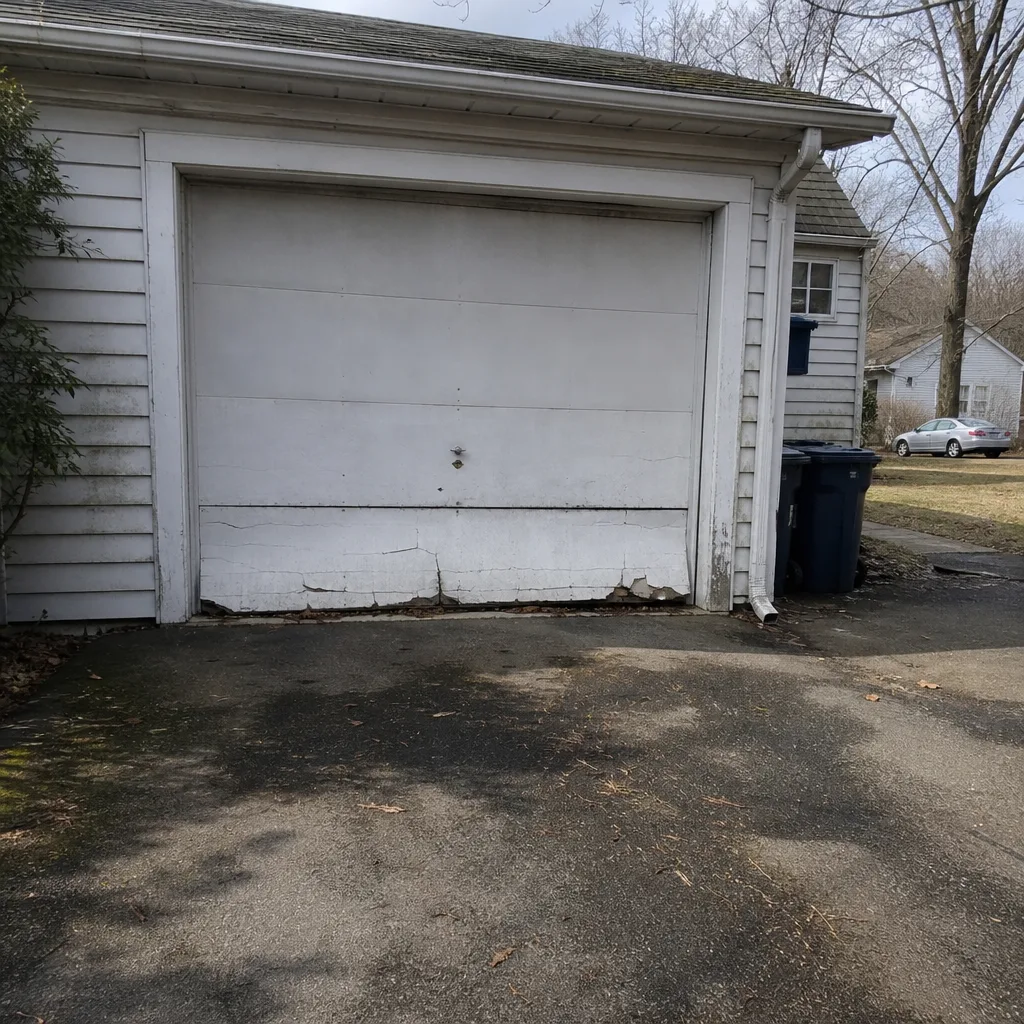 Before
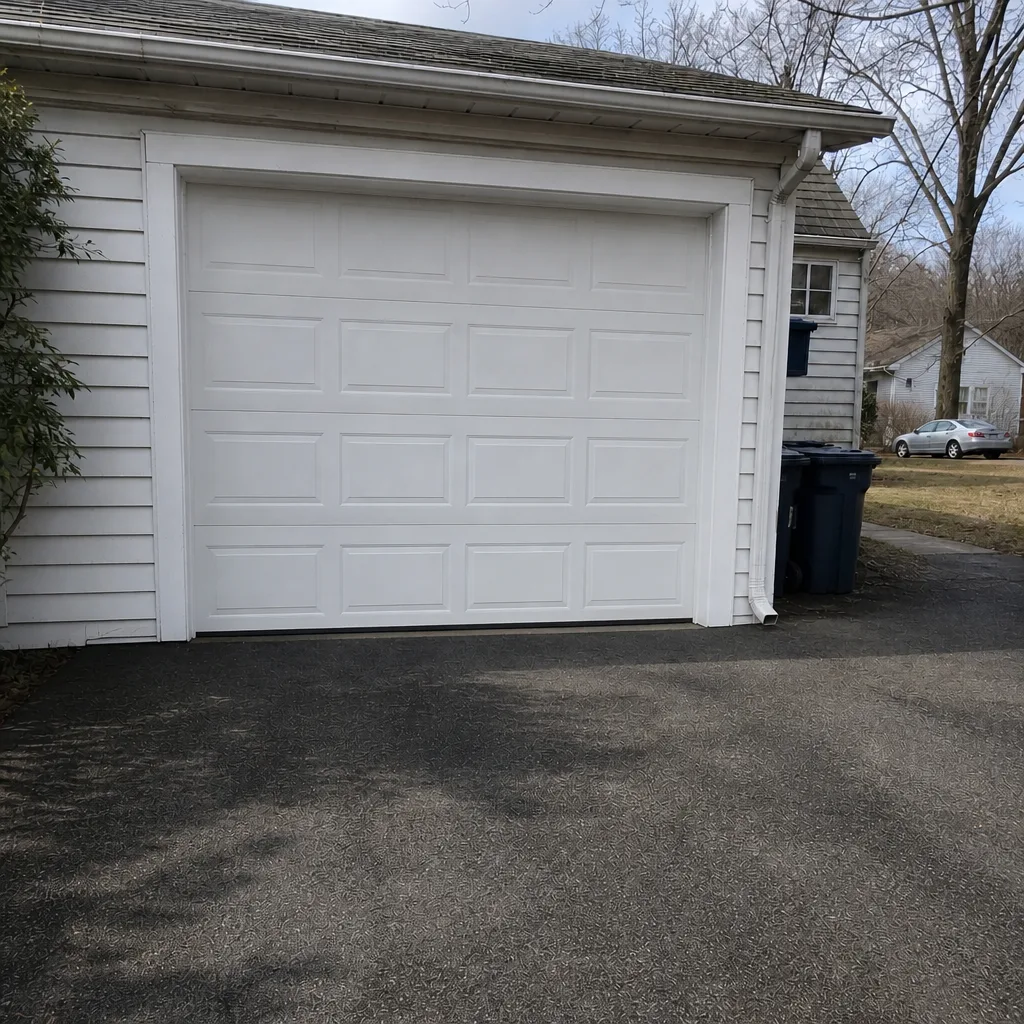 After
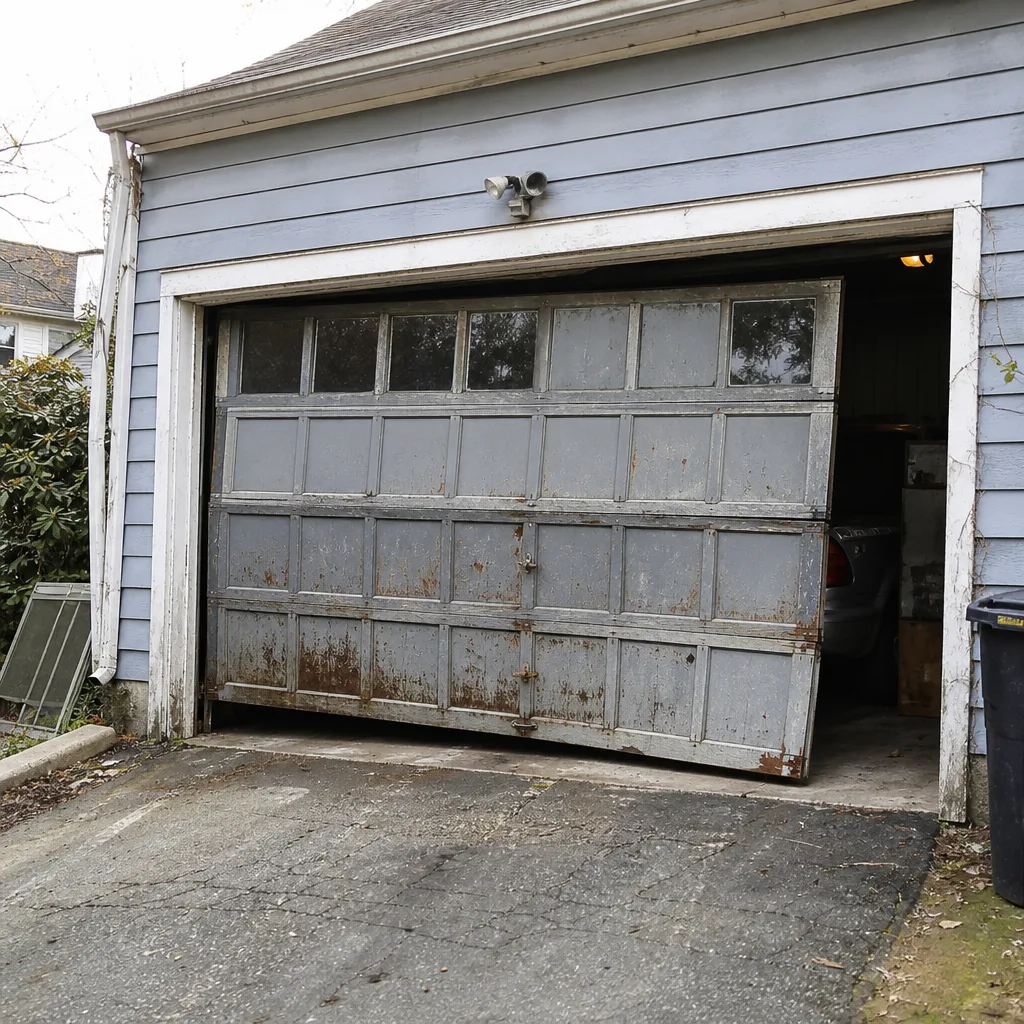 Before
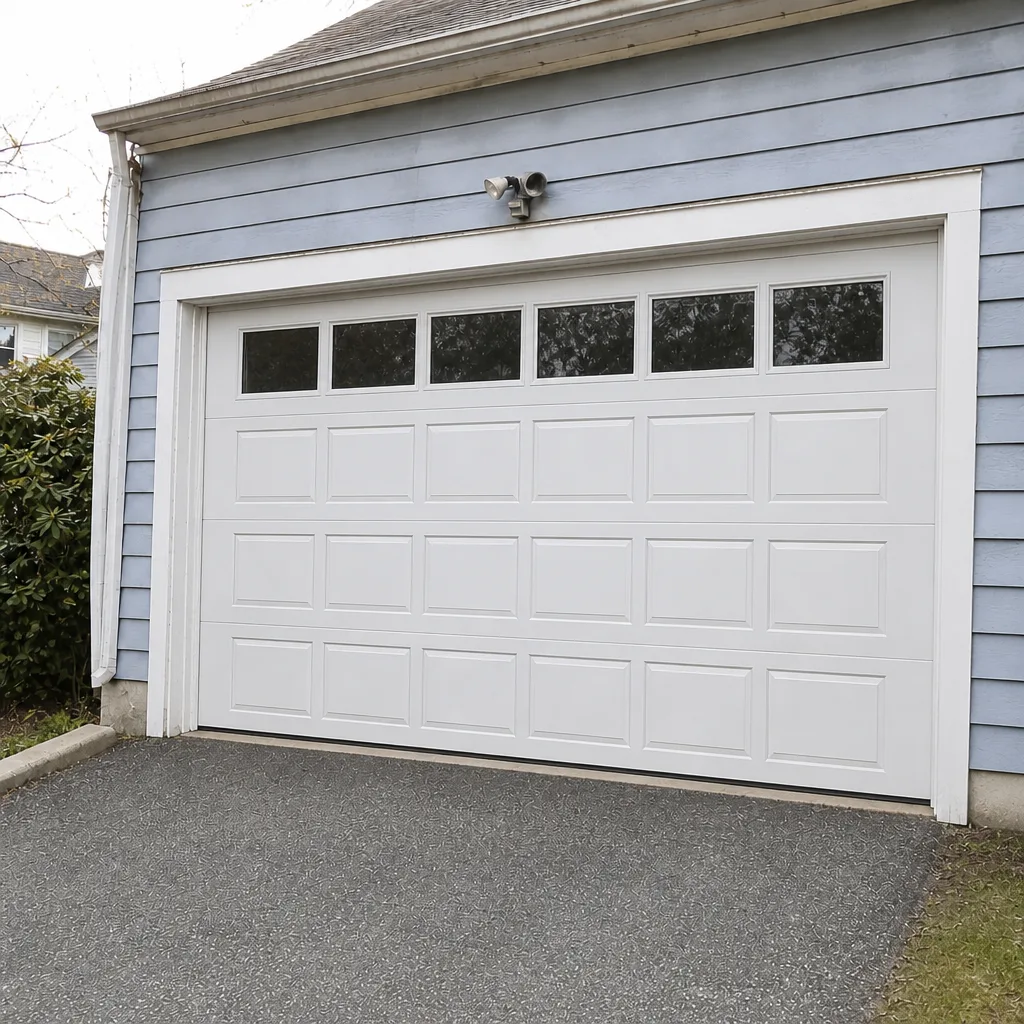 After
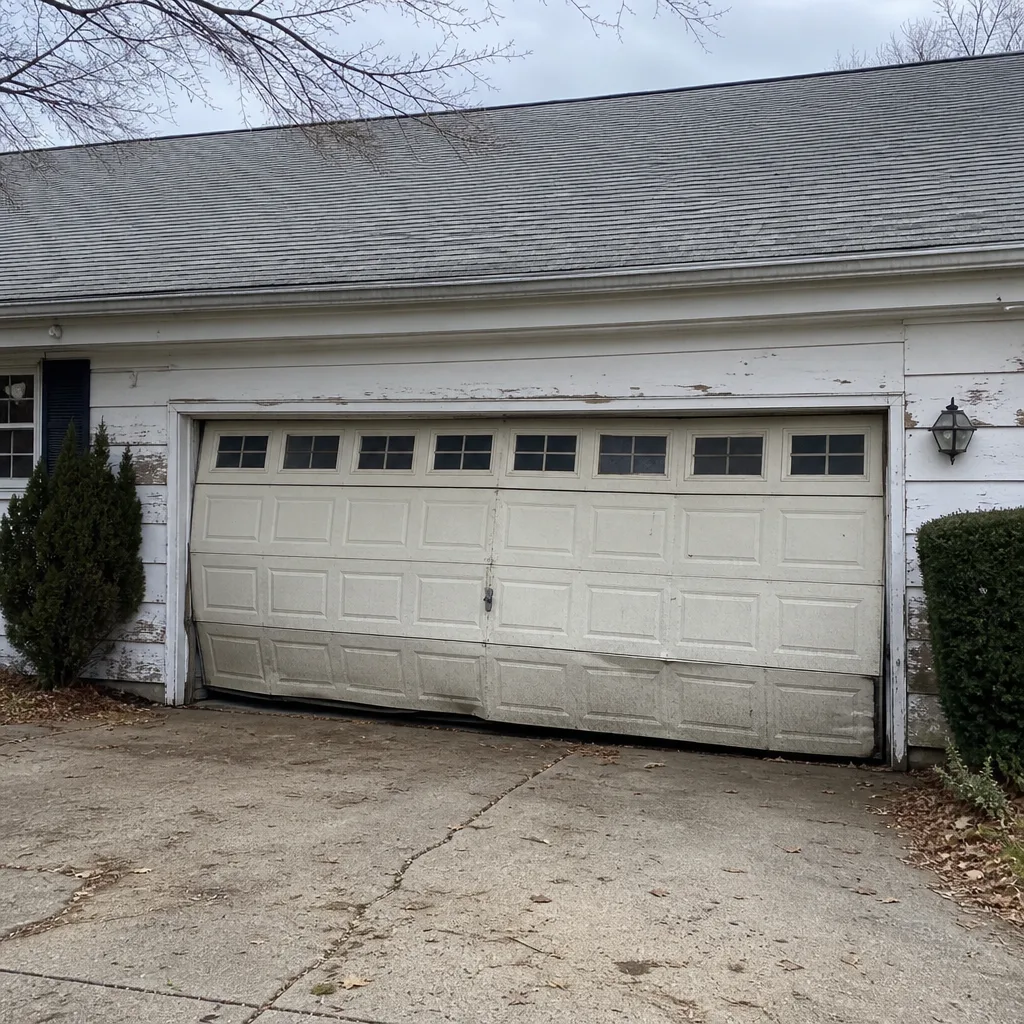 Before
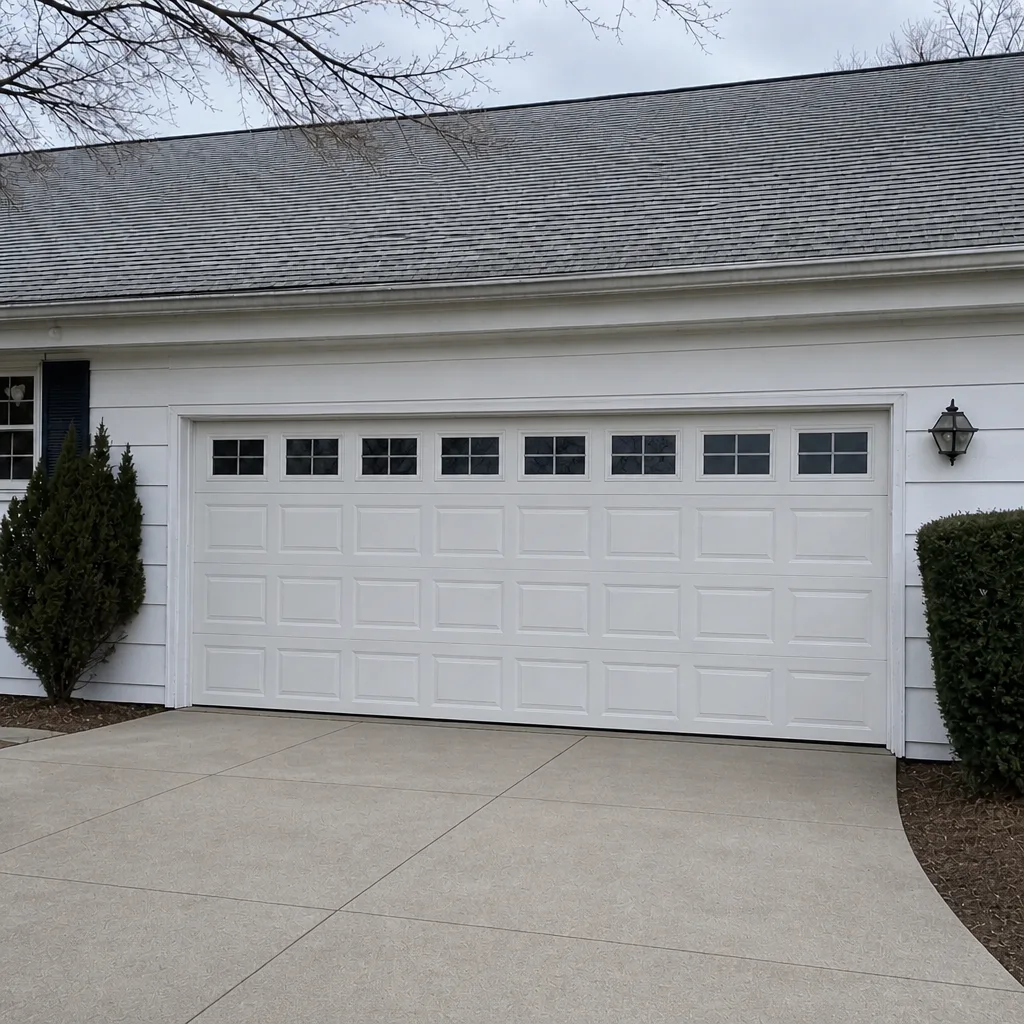 After
When to Call a Professional
Call a technician when the balance test fails, when a spring has a visible gap or a kink, when a cable has snapped or looks slack, when the door comes down crooked, or when the opener reverses on nothing or won’t reverse on a test object. Also call when the door is visibly off its tracks, when the bottom panel has been bent out of square, or when any bolt in the torsion or cable area is loose. Those are the points where homeowner checks stop and technician work begins. Bristol Garage Door Repair Pros offers free estimates in Bristol. Call (844) 693-1911. We answer 24/7, and fast dispatch runs from 7am to 7pm, Sunday through Friday.
Frequently Asked Questions
Twice a year at minimum: once in October before freeze season and once in April after the thaw. Between those, a four-minute monthly walk-around is enough to catch a problem moving through the failure cascade. Doors in high-use homes or older homes with active settling may need a third check in the middle of each season, but twice is the floor.
White lithium grease on the hinges, rollers and pivot points, and silicone spray on the springs and the weather seal. Both hold up below freezing, and neither turns sticky in summer heat. Avoid WD-40, motor oil and general household grease, which dry out or gum up in the cold. Call (844) 693-1911 if you want the right products spelled out for your specific door.
Yes, with a balance test: close the door, pull the manual release, lift the door halfway by hand and let go. A balanced door stays put. A door that drifts down or rises on its own needs a technician. Never adjust, disconnect or replace a spring yourself; that’s the most dangerous component on the door.
Track bolts holding the vertical and horizontal tracks to the ceiling brackets. Those carry the most vibration from the door’s travel and from the frame settling. Hinge screws, especially at the top and bottom panels, come next. The safest way to check them is a socket set and a snug pass once or twice a year, leaving the torsion and cable brackets to a technician.
Typical maintenance and tune-up visits run in a modest range, and the exact figure depends on the door, the opener and what the technician finds. The written estimate sets the final price, so you’ll know it before any work starts. Call (844) 693-1911 for an exact quote; estimates are free.
The weather seal, the hinges and rollers, the spring balance and the track cleanliness. Condition the bottom seal with silicone spray, lubricate hinges and rollers with white lithium, run the balance test, and clear grit out of the tracks. Also confirm the opener’s safety reverse works before the first freeze. If any step turns up something you can’t fix safely, call a technician before the temperature drops.
Yes, same-day service is available for most urgent failures. We answer 24/7, and fast dispatch runs from 7am to 7pm, Sunday through Friday. A call outside dispatch hours is booked into the next opening. Call (844) 693-1911 to schedule.
The local pros we connect you with are licensed and insured as their state requires. Our technicians have up to 12 years of experience and work across all eight major garage door and opener brands, including LiftMaster, Chamberlain, Genie, Clopay, Amarr, Wayne Dalton, Craftsman and Raynor. Call (844) 693-1911 with any questions about credentials before booking.
The Bottom Line
Garage door maintenance is really maintenance of the failure cascade. Catch the dry roller and loose hinge and you often don’t need to touch the spring or the opener. The routine that does this is a twice-a-year check, once in October before freeze season and once in April after thaw, plus a four-minute monthly walk-around. Use white lithium on hinges and rollers, silicone on springs and the seal, and skip the WD-40. Snug the track bolts and hinge screws but leave springs, cables and torsion brackets to a technician. Done in this order, a Bristol door keeps running level for years without surprise failures.
Schedule Your Maintenance Visit
If a check above turned up something, or you want the first pass handled by a technician who already knows your system, call us. We work on LiftMaster, Chamberlain, Genie, Clopay, Amarr, Wayne Dalton, Craftsman and Raynor hardware across repair, opener repair, spring repair, full installation and emergency service. Our technicians have up to 12 years of experience, so the maintenance visit lands on someone familiar with the door. Call (844) 693-1911 for a free estimate. We answer 24/7, and fast dispatch runs from 7am to 7pm, Sunday through Friday. The price is quoted and agreed before any work starts, so the invoice matches the estimate you approved.
Written by the team at Bristol Garage Door Repair Pros.