
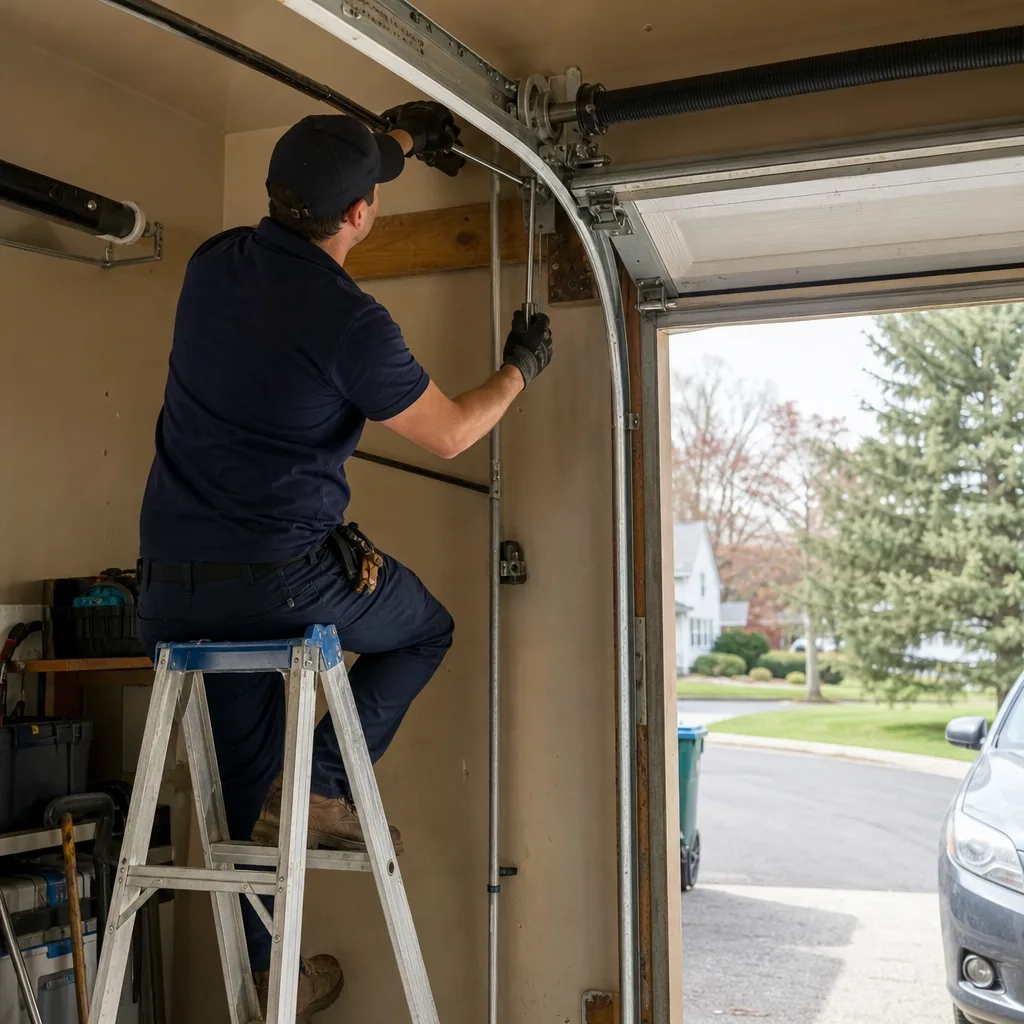
Last updated November 21, 2026
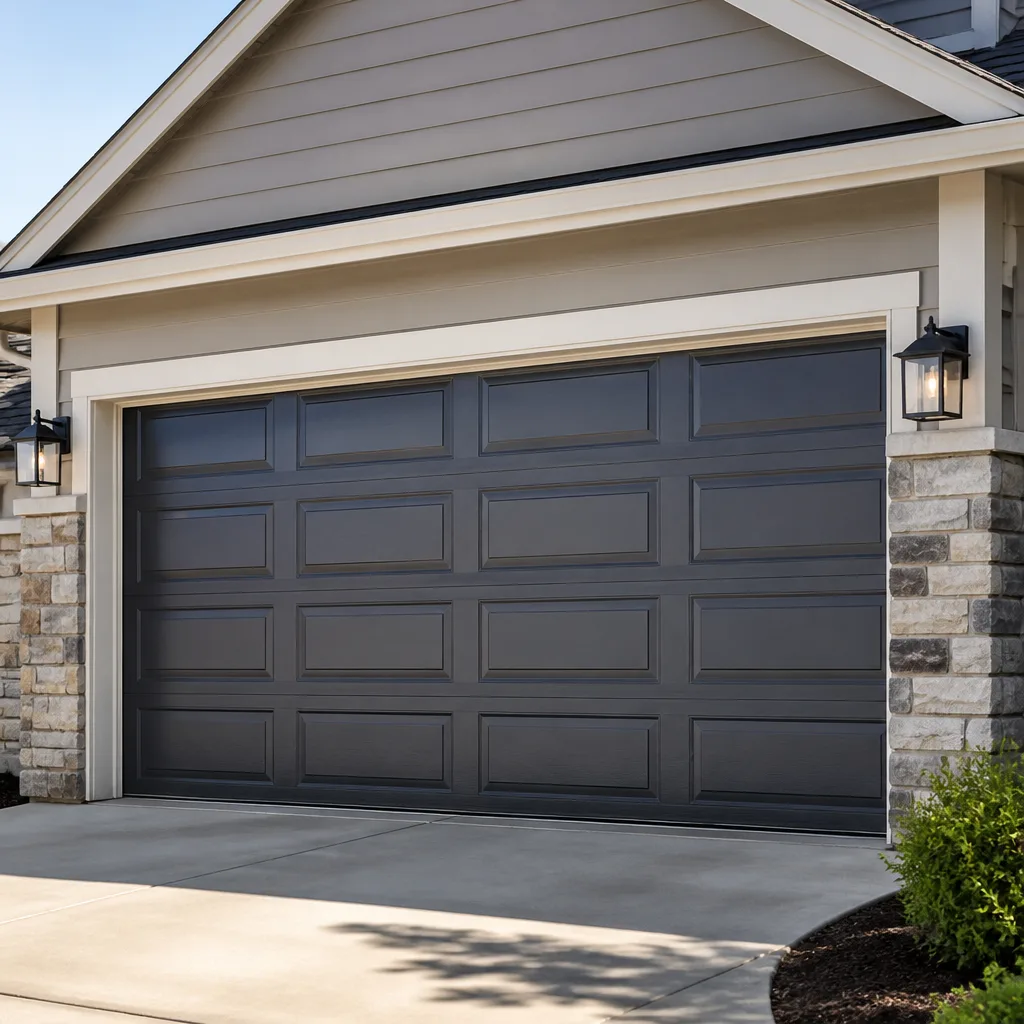 Raised-panel steel
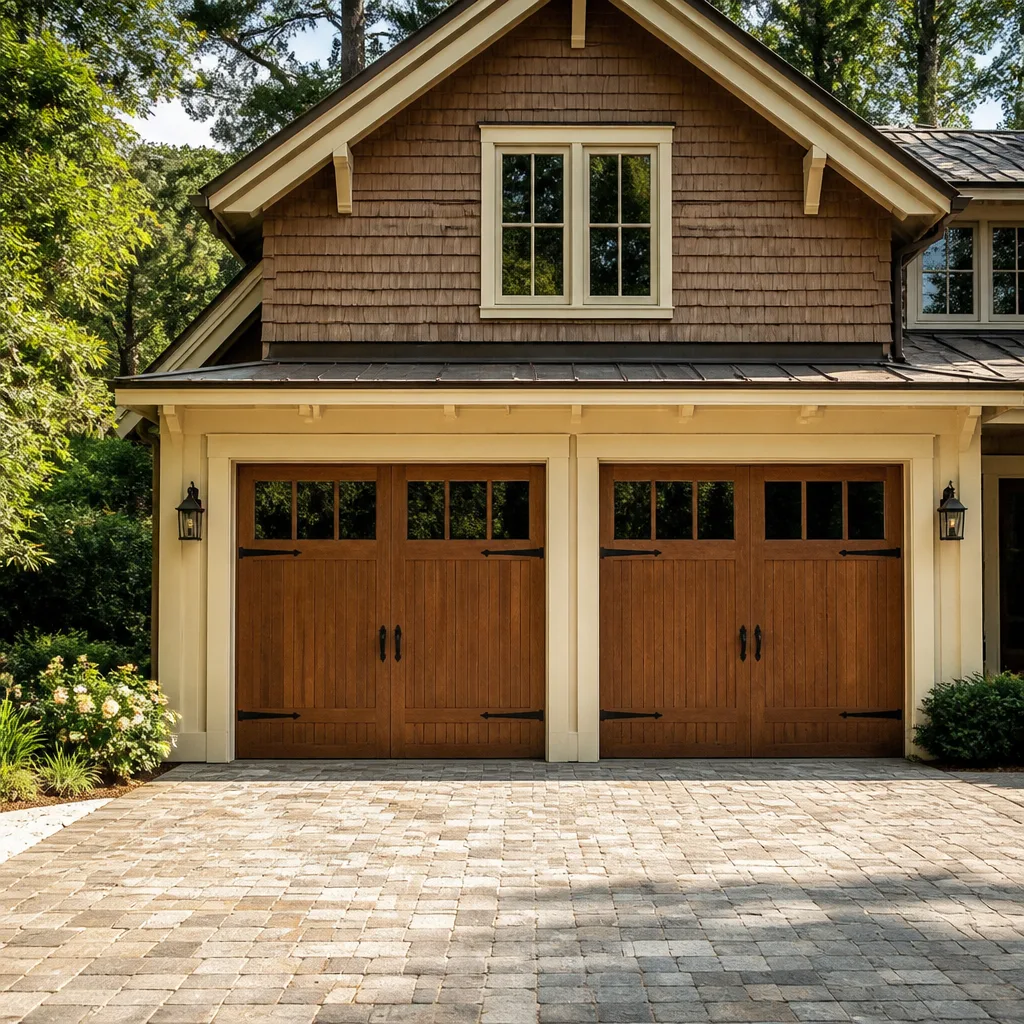 Carriage house
 Modern flush
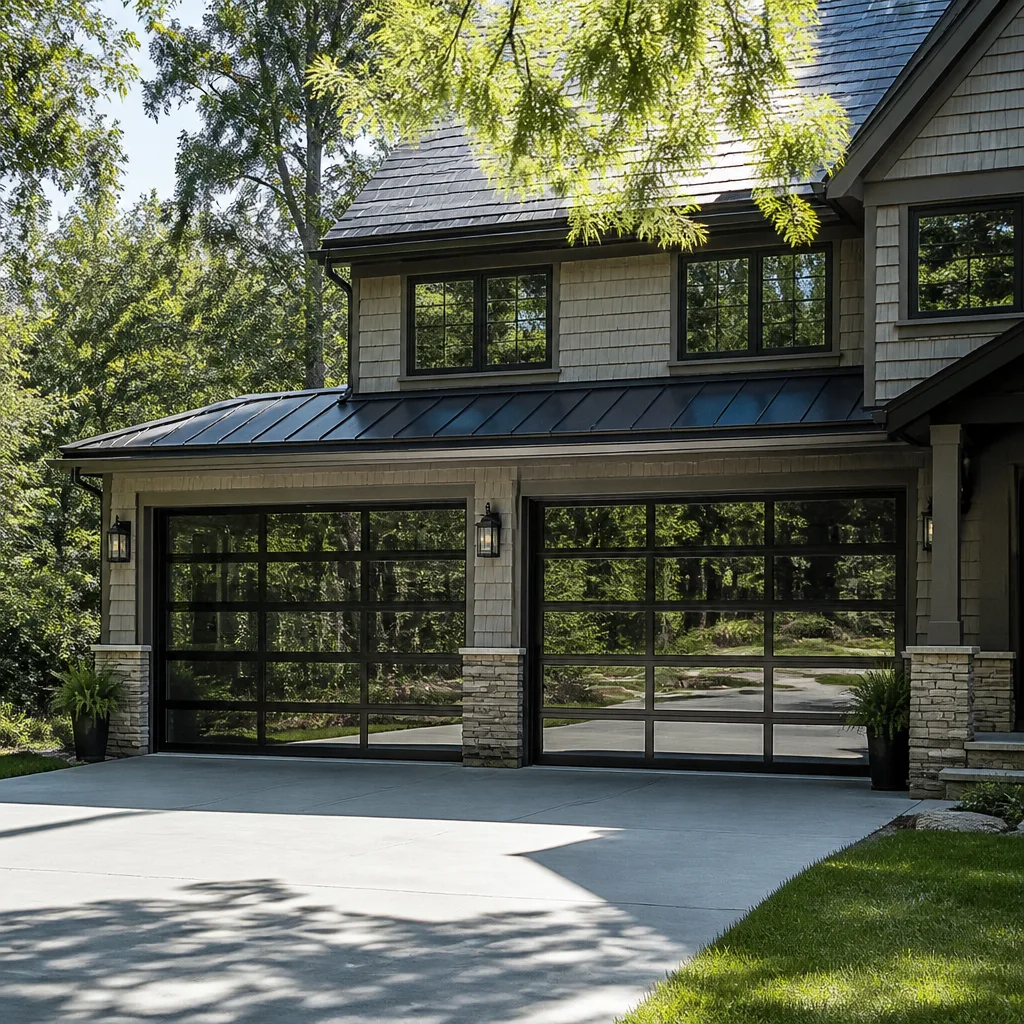 Full-view glass
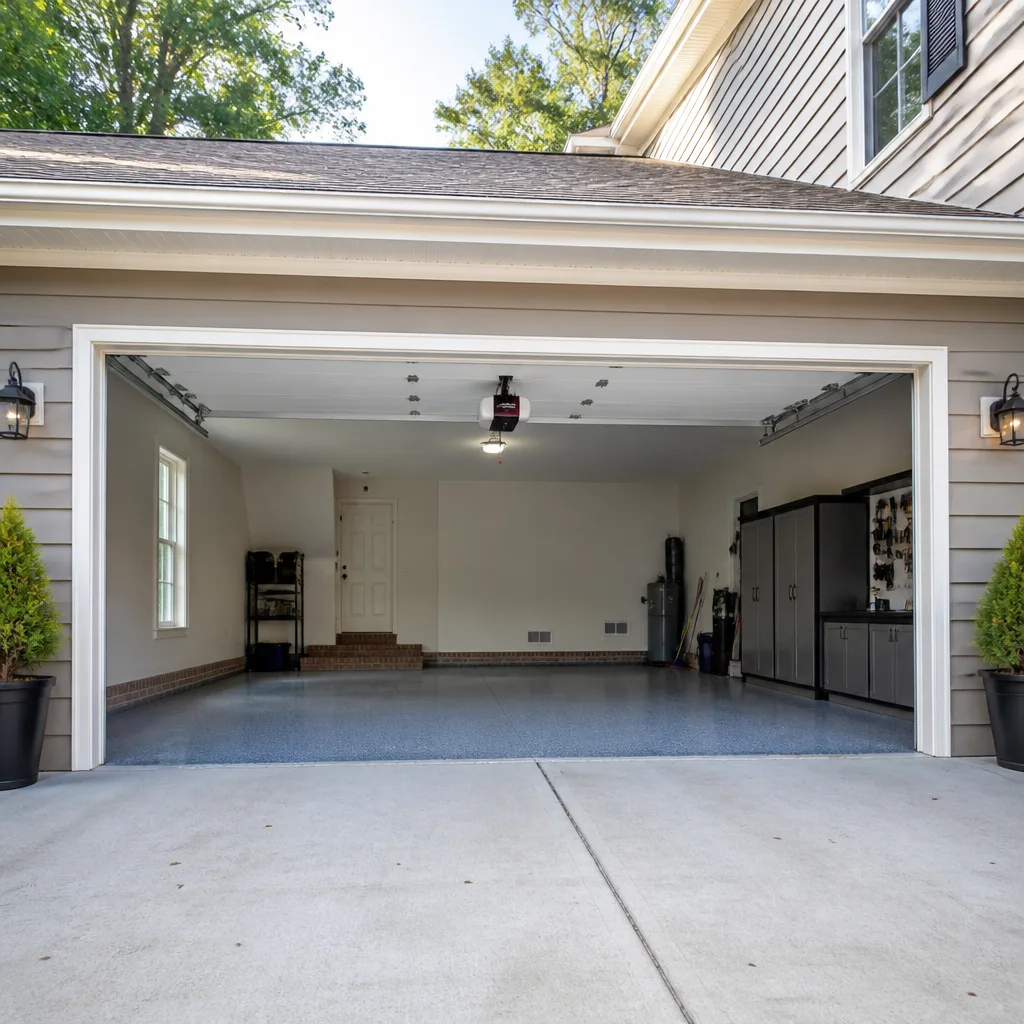 LiftMaster openers
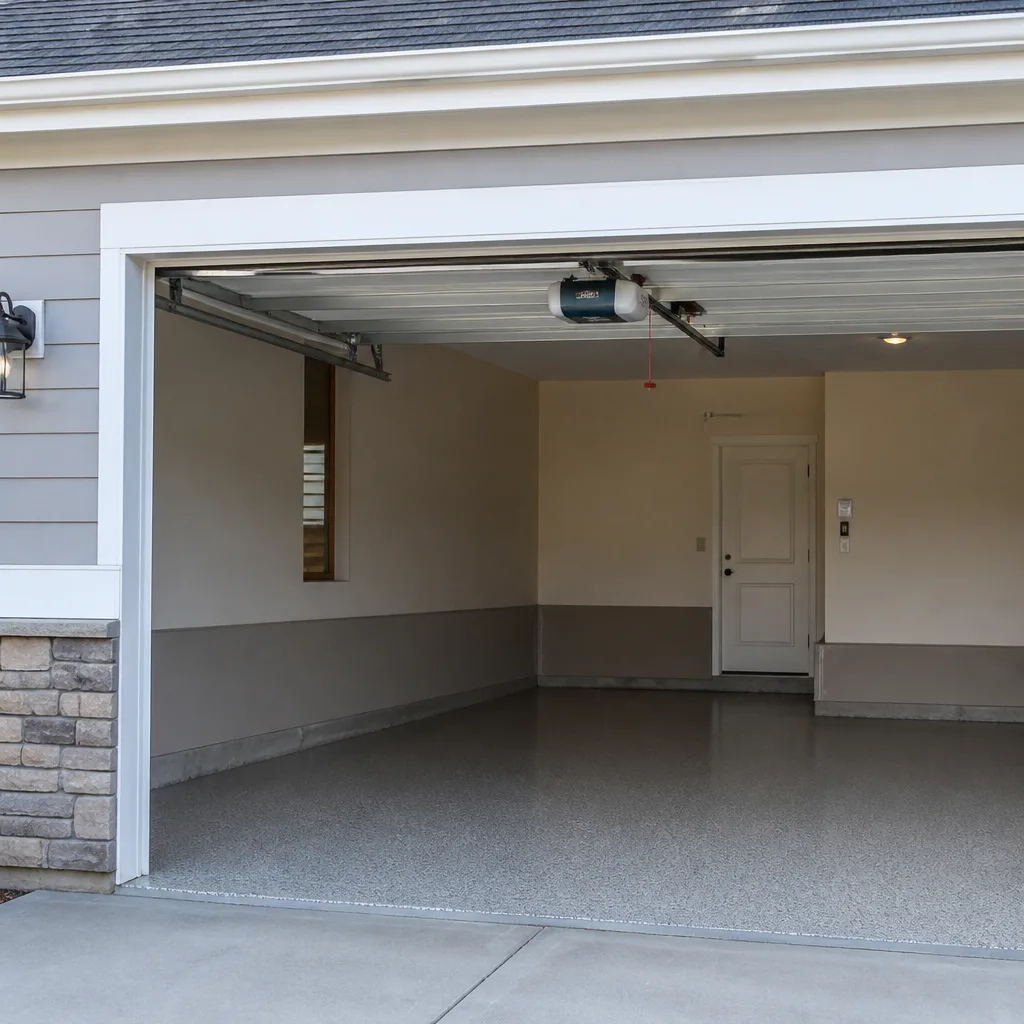 Chamberlain openers
Full 25-point door and opener safety check with every visit - springs, cables, rollers, tracks, and your LiftMaster or Chamberlain opener included
You get a price before we start. It does not change when the pro arrives.
Get your free estimateHow to Hire a Garage Door Contractor in Bristol: A Step-by-Step Guide
The most expensive garage door call isn’t the one that comes with an emergency price tag. It’s the one where the technician correctly diagnoses a broken spring, then talks you into a new opener, two replacement panels, and a tune-up package you never needed. That happens because some contractors earn their margin on product, not labor – the more parts they sell, the better their day. Hiring well in Bristol means knowing how to tell a diagnostician apart from a parts-pusher before anyone pulls into your driveway. This guide gives you the phone questions, the estimate-reading skills, and the red flags to do exactly that.
Quick Answer
To hire a garage door contractor in Bristol, call at least two companies, ask what brands they service and whether they diagnose before quoting, confirm the written estimate itemizes parts and labor separately, and verify licensing and insurance rather than taking “licensed and insured” at face value. The right contractor tells you what’s actually broken, quotes the repair, and doesn’t bundle in an opener or panels you didn’t ask about. Price matters, but diagnosis quality matters more.
Styles & brands we work with
- Raised-panel steel
- Carriage house
- Modern flush
- Full-view glass
- LiftMaster openers
- Chamberlain openers
Table of Contents
- What Separates a Diagnostician From a Parts-Pusher
- The Five Phone Questions That Reveal a Contractor’s Type
- What Connecticut Licensing Actually Covers for Garage Door Work
- Red Flags Specific to Garage Door Quotes
- How to Read a Written Garage Door Estimate
- Why Three Quotes for a Spring Replacement Can Mislead You
- Step-by-Step: The Hiring Process From First Call to Final Check
- Bristol-Specific Context: Weather, Housing, and What Doors Face Here
What Separates a Diagnostician From a Parts-Pusher
A diagnostician starts with the symptom and works backward to the cause. A parts-pusher starts with a menu and works forward to the sale. The difference shows up in how they talk about your door before they’ve seen it, and it’s the single most useful distinction in this whole hiring process.
Here’s what we mean in practice. When a door won’t open, the cause could be a snapped torsion spring, a stripped opener gear, a misaligned photo-eye, a broken cable, or a dead logic board. Each has a different fix and a different price. A diagnostician asks what the door does – does the opener hum without moving, does it reverse immediately, does it move a few inches and stop – because those answers narrow the cause before anyone arrives. A parts-pusher hears “my door won’t open” and starts talking about opener replacement, because an opener is the highest-margin item in the conversation.
We’ve built our own service around the diagnostic-first model, and it’s a big part of why we work the way we do. Our technicians have up to 12 years of experience, and they arrive factory-familiar with the major systems rather than learning your door on your dime. That matters most with brands like LiftMaster and Chamberlain, where the opener’s logic board, travel limits, and safety-reversal behavior are well documented and diagnosable. A technician who knows the system asks better questions and reaches the right answer faster.
- Diagnostician: asks about symptoms, names possible causes, quotes the repair, and mentions a replacement only if the repair isn’t viable.
- Parts-pusher: leads with a package price, bundles a tune-up with every repair, and treats the opener as the default answer to every problem.
- Diagnostician: will tell you when a repair is the cheaper and smarter call, even though it earns them less.
- Parts-pusher: frames every repair as a stopgap and every replacement as the “real” fix.
Neither type wears a label. You find out which one you’re talking to by asking the right questions on the phone, which is the next section.
The Five Phone Questions That Reveal a Contractor’s Type
You can learn more in a five-minute phone call than in an hour of reading reviews. These five questions are designed to surface whether the company is brand-agnostic and diagnostic, or product-driven and pushy. Ask them before you book anything.
- “What brands do you service?” A brand-agnostic company names several and doesn’t flinch when you mention yours. If they service only one brand, or steer every conversation toward a specific manufacturer, you’re talking to a product channel, not a diagnostician. We service LiftMaster, Chamberlain, Genie, Clopay, Amarr, Wayne Dalton, Craftsman, and Raynor, and we’re upfront about that list.
- “Can you describe what might be causing my door’s symptom before you come out?” A real technician offers two or three likely causes over the phone. Vague answers like “we’ll have to see” aren’t disqualifying, but a technician who can’t name a single possible cause for a common symptom is a red flag.
- “Will you quote the repair before starting work?” The answer should be an unqualified yes. Any hesitation here means the price is decided after the work, which is exactly the invoice surprise you’re trying to avoid.
- “Do you charge for the estimate?” Our estimates are free, and we say so plainly. A company that won’t answer this directly is hiding a trip charge.
- “If it turns out to be a simple fix, will you tell me?” This one separates the two types cleanly. A diagnostician says yes without hesitation. A parts-pusher gets uncomfortable, because a simple fix is a small ticket.
None of these questions require technical knowledge from you. They’re designed to make the company reveal its own priorities. In our experience, the companies that answer all five cleanly are the ones worth booking.
What Connecticut Licensing Actually Covers for Garage Door Work
“Licensed and insured” is the most-repeated phrase in home services and the least-verified. It’s worth understanding what Connecticut actually requires for garage door work, because the answer isn’t as simple as a single license class.
Connecticut regulates home improvement contractors through the state’s registration system, and it regulates electrical work separately. Garage door repair straddles both: the mechanical work – springs, cables, tracks, panels, hinges, rollers – falls under home improvement contractor rules, while anything involving the opener’s wiring, a new circuit, or hardwired connections touches electrical licensing. When you hire for opener repair or installation, ask whether the company works with a licensed electrician for the wiring portion, or whether the technician is qualified to handle it directly. That’s a specific question most homeowners never ask, and it tells you whether the company understands the line between mechanical and electrical work.
The verification part is on you. Connecticut’s contractor registration can be checked through the state’s consumer protection resources, and you can ask for a certificate of insurance directly. A legitimate contractor will provide both without friction. The local professional we connect you with is licensed and insured as their state requires, and we expect you to verify it rather than take our word for it. That’s not distrust – it’s the standard every homeowner should hold.
- Ask for the contractor’s registration number and check it against the state’s records.
- Ask for a certificate of insurance that names general liability coverage.
- Ask specifically how the opener wiring will be handled and by whom.
- Ask whether the company carries workers’ compensation coverage, which protects you if someone is injured on your property.
None of this is adversarial. The contractors worth hiring expect these questions and answer them quickly.
Red Flags Specific to Garage Door Quotes
Garage door quotes have their own vocabulary of warning signs, and they’re different from general contractor red flags. These are the ones we’ve seen homeowners describe most often, and each one is worth taking seriously.
- A flat-rate price before diagnosis. If a company quotes a spring replacement over the phone without asking a single question about your door, they’re guessing. Spring sizes, door weights, and cycle ratings vary, so a genuine quote follows an inspection. A phone quote is a placeholder at best and a bait price at worst.
- Vague line items like “service call” or “repair.” A real estimate separates parts from labor and names the parts. “Repair – $450” tells you nothing about what’s being fixed or whether the price is fair.
- The “parts on the truck” upsell. A technician who arrives with a full inventory of openers and panels is motivated to sell them. That’s not automatically bad, but be suspicious when the sales pitch starts before the diagnosis and the “convenience” of having the part on hand becomes the reason to buy it.
- The tune-up package add-on. Tune-ups are a real service, but they shouldn’t be bundled into every repair as a default. If a tune-up appears on your estimate without you asking for it, ask why.
- Pressure to decide on the spot. A legitimate estimate doesn’t expire in an hour. If a contractor pressures you to sign before they leave, walk away and get a second opinion.
- No written estimate at all. Verbal quotes are worthless for a garage door job. Everything should be in writing, with the final price agreed before work starts.
- Reluctance to name brands. A company that won’t tell you which brands it services is either not brand-agnostic or not confident. Either way, keep looking.
One of these flags on its own might be nothing. Two or three together means find someone else.
How to Read a Written Garage Door Estimate
A garage door estimate is a diagnostic document as much as a price. When it’s written well, it tells you what the technician found, what they’re replacing, and what it should cost – and that’s exactly what you need to compare quotes fairly.
Certain items must be itemized. The springs should be listed with their type (torsion or extension), since they’re different components with different prices and different life spans. If the job involves opener work, the opener model and the labor should be separate lines. Cables, drums, and bearings should each appear if they’re being replaced. Panel and track replacements should name the panels. Anything safety-related – photo-eyes, safety-reversal testing – should be visible on the document.
Other items can reasonably be bundled. Disposal of old parts, minor hardware like hinges and rollers, and the time spent on adjustment and balance testing can all sit inside a labor line without obscuring anything. The rule of thumb: if the part has a meaningful cost or a safety function, it should be visible. If it’s consumable or incidental, bundling is fine.
- Must be itemized: springs (with type), opener model and labor, cables, drums, panels, tracks, safety components.
- Can be bundled: disposal, hinges and rollers, adjustment and balance time, final testing.
- Should be stated clearly: the final price, and confirmation that it’s agreed before work starts.
- Should be absent: “service call” fees that appear as a surprise after the work, vague “repair” lines, and anything you didn’t agree to.
Read the estimate at the moment it’s handed to you, not later. Ask the technician to walk through each line. A company confident in its quote will do it happily.
Why Three Quotes for a Spring Replacement Can Mislead You
Getting three quotes sounds like the responsible move, and for a full door replacement it usually is. For a spring replacement, comparing three bottom-line numbers can actually make you choose wrong, because the numbers aren’t measuring the same thing.
A spring replacement isn’t a single product. Springs come in different wire gauges, coil counts, and cycle ratings, and they’re matched to the weight and size of your door. A quote for a lighter, lower-cycle spring is cheaper and less durable. A quote that includes a high-cycle spring is more expensive and lasts longer. Without knowing which spring is being quoted, the bottom line tells you almost nothing about value. The cheapest quote might be the right one, or it might be a spring that fails in half the time.
What to compare instead: the spring type and specification, the warranty on parts and labor, whether the technician will replace both springs on a matched pair or just the broken one, and whether the quote includes a balance test and safety-reversal check afterward. On a two-spring door, replacing one spring and leaving the other is a false economy – the second spring is the same age and likely to fail soon. A quote that replaces both costs more upfront and less over the long run.
- Compare spring specs, not just price. Ask what cycle rating and wire gauge is being quoted.
- Compare warranties. A longer warranty on parts usually signals a better spring.
- Compare scope. Does the quote include both springs on a pair, or one?
- Compare the testing. A balance test and safety check after installation should be included, not optional.
- Compare the diagnosis, not the number. A quote based on a real inspection beats a phone guess every time.
This is where hiring a specialist pays off. Spring work is the most dangerous part of the trade, and we offer it as a dedicated service rather than an afterthought. Our approach is to replace the component that’s actually worn, match the spring to the door, and test the balance before we leave. If you want to compare what that involves in detail, our garage door spring repair page lays it out step by step.
Step-by-Step: The Hiring Process From First Call to Final Check
Here’s the whole process in sequence, so you can work through it without second-guessing each step. It’s designed to take a few hours of your time at most and save you from a much more expensive mistake.
- Identify the symptom. Does the door not open, open partially, reverse immediately, make a grinding noise, or hang crooked? Write down exactly what it does. This helps the phone conversation and the technician’s diagnosis.
- Call two companies, not one. Ask the five phone questions from the earlier section. A company that answers cleanly gets a booking; a company that dodges doesn’t.
- Confirm the estimate is free and written. No surprises later. If there’s a fee, know it before booking.
- Verify licensing and insurance, expecting the answer, not hoping for it. A legitimate contractor provides documentation without friction.
- Watch the diagnosis. A good technician tests the door, explains the findings, and quotes the repair before touching anything. If they start reaching for an opener without explaining why, ask them to slow down.
- Read the estimate line by line. Ask about anything vague. A confident contractor explains every line.
- Agree the price before work starts. The written estimate sets the final price. Get that confirmed in words.
- Test the door yourself before the technician leaves. Open and close it a few times. Check that the safety reversal works by placing an object in the door’s path and confirming the door reverses. If anything feels wrong, ask questions now, not next week.
- Keep the written estimate and any warranty documentation. You’ll want it if a spring fails early or an opener malfunctions.
That’s the whole sequence. It sounds like more work than it is; in practice, a well-qualified contractor moves through it quickly and the process takes a single visit. If you want a shortcut, start with the team at Bristol Garage Door Repair Pros and let us answer the five questions.
Bristol-Specific Context: Weather, Housing, and What Doors Face Here
Bristol’s door stock tells you a lot about what to expect from a contractor. The city has a mix of older homes near downtown Bristol, mid-century neighborhoods, and newer construction on the edges, and each housing vintage puts different demands on a garage door.
Older homes often have narrower single-car doors on extension springs, which ride along the sides of the door rather than across the top. Extension spring systems wear differently and are more prone to the kind of sudden failure that leaves a door hanging. Mid-century and newer homes more often have wider double doors on torsion spring systems, which are stronger but carry more stored energy and demand a trained technician. A contractor who services both types fluently is the one you want. If they only work one system, that’s a sign their service area is thinner than they claim.
Connecticut weather matters too. Freeze-thaw cycles in winter work on the door’s moving parts, and springs, cables, and hinges are the components most affected. A door that runs smoothly in July can grind and stick in January, and that’s not a coincidence. When you hire in Bristol, ask whether the company winterizes or adjusts doors ahead of the cold season, and whether they know which components are most weather-affected. It’s a question that separates the contractor who understands the local climate from the one who reads the same script everywhere. Our garage door repair service is built around that climate awareness, and it’s worth asking any contractor you consider.
For property managers and landlords in Bristol, the calculus shifts slightly. Doors across multiple units fail at different times, and getting a reliable contractor who can turn around repairs consistently matters more than chasing the lowest single-job price. A specialist who knows the brands in your buildings – Clopay and Amarr panels are common in newer Bristol construction – is the one who won’t have to research your system on the customer’s dime. Our garage door opener repair work covers both legacy and smart-home-compatible systems from LiftMaster, Chamberlain, and Craftsman, which matters when one building has an older opener and another has a Wi-Fi-enabled one.
Common Mistakes to Avoid
- Calling only one company because you’re in a hurry. Urgency is exactly when you’re most likely to accept the first quote. Even one comparison call protects you. If the door is stuck now, call us and we’ll talk through the symptom before we book.
- Trusting “licensed and insured” without asking for proof. In Bristol, that phrase gets repeated by everyone. Ask for the registration and the insurance certificate. The contractors worth hiring hand them over without a fuss.
- Taking a phone quote for spring work. Spring pricing depends on the door weight and the spring spec. A phone quote is a guess dressed as a price. Insist on an inspection first.
- Replacing one spring on a pair to save money. The second spring is the same age and load. Replacing one leaves you with a likely second failure within months. Ask what the estimate covers.
- Accepting a bundled tune-up or opener replacement you didn’t ask for. If it’s on the estimate and you didn’t request it, ask why. No is a complete answer.
- Skipping the post-install test. Test the door yourself before the technician leaves. The safety reversal check is non-negotiable, and any contractor who skips it is telling you something.
- Comparing only bottom-line numbers across quotes. Compare spring spec, warranty, and scope. The cheapest quote on a spring replacement is often the one that fails first.
See the difference
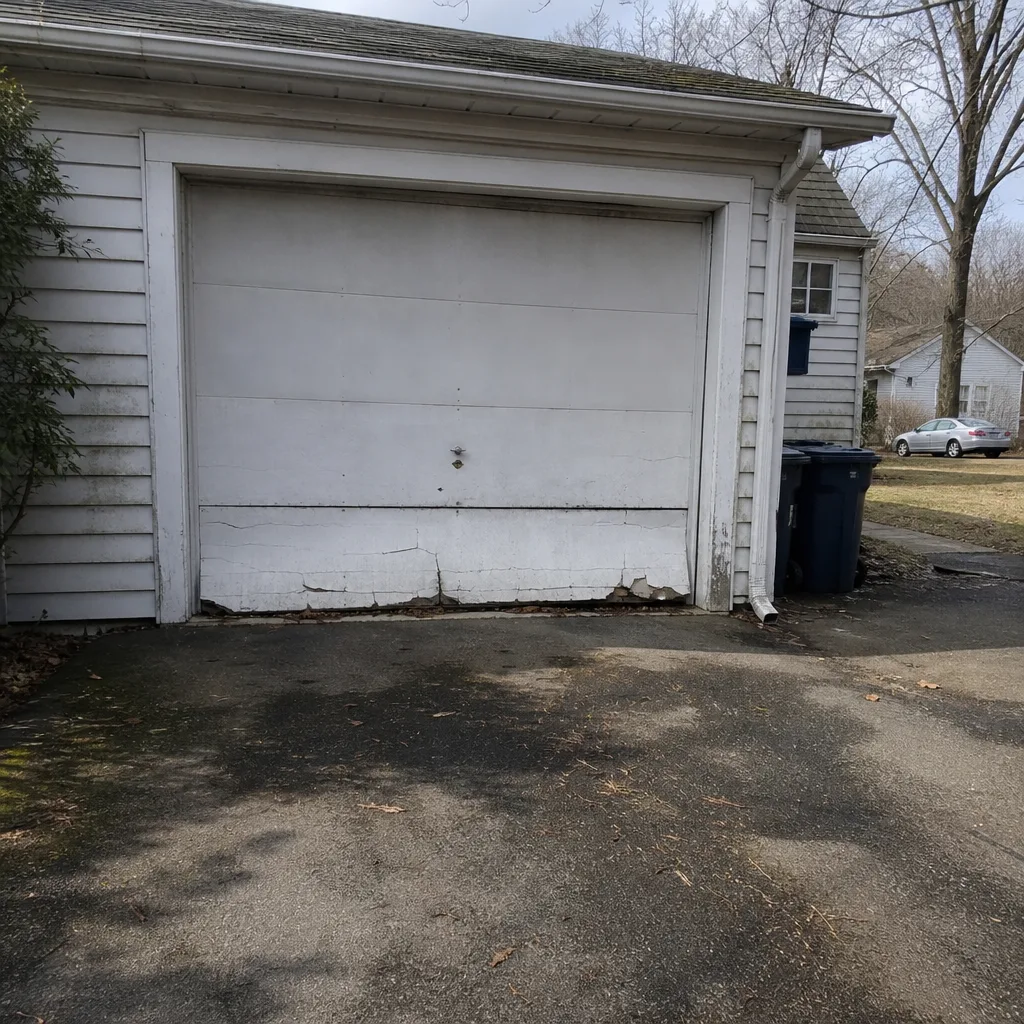 Before
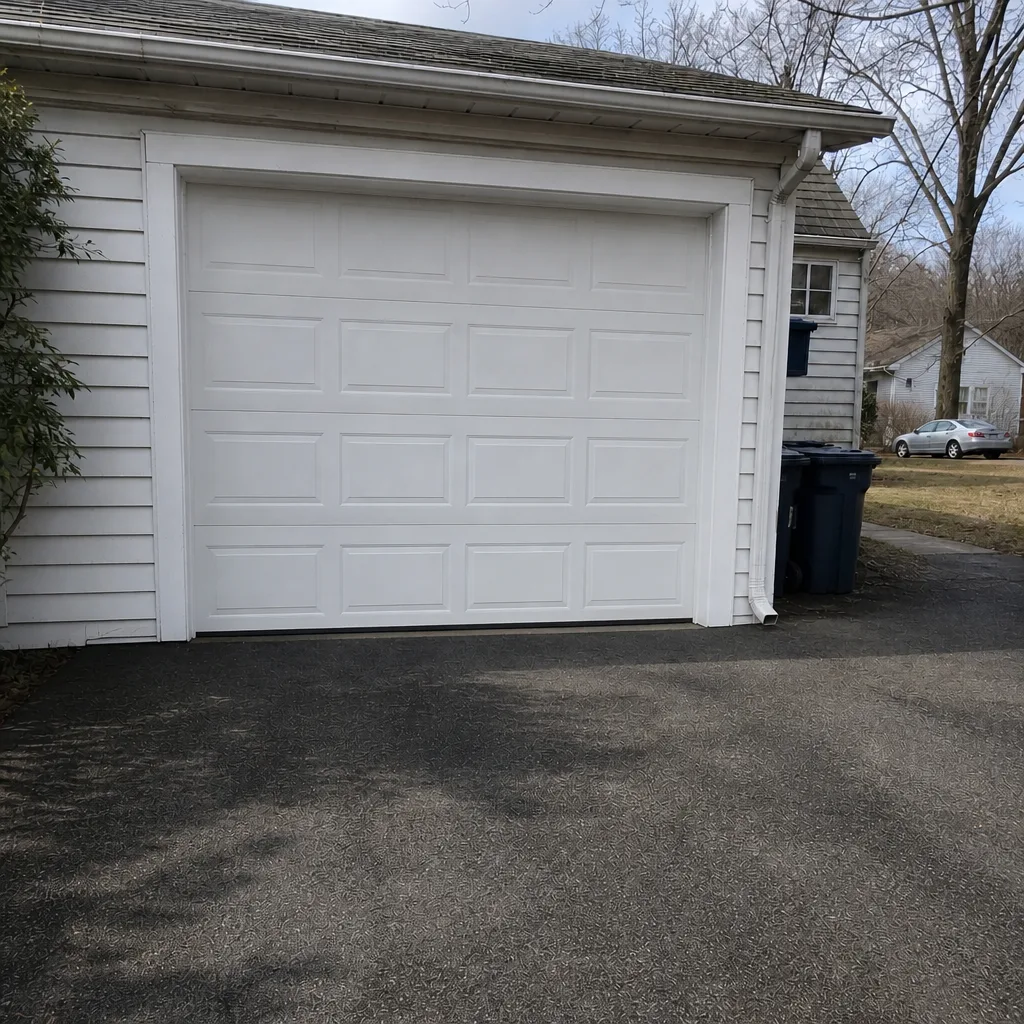 After
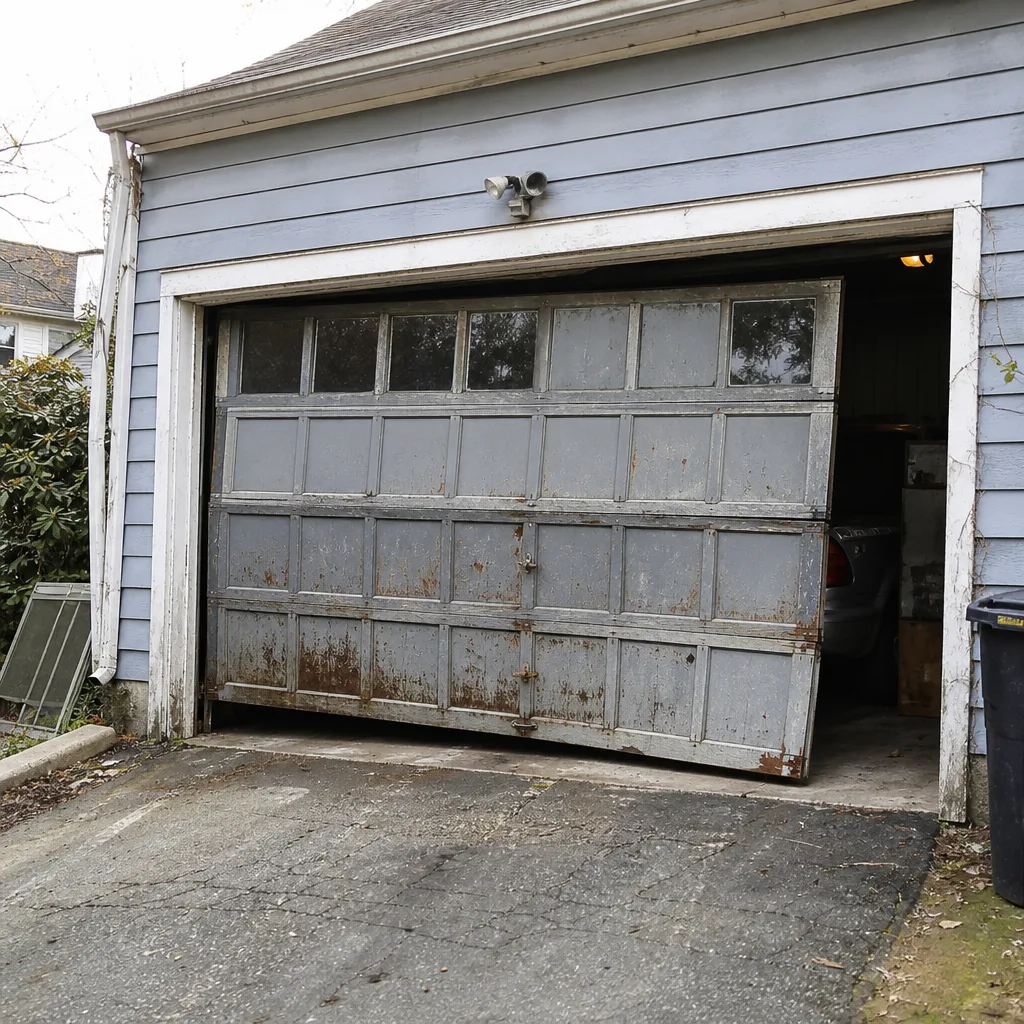 Before
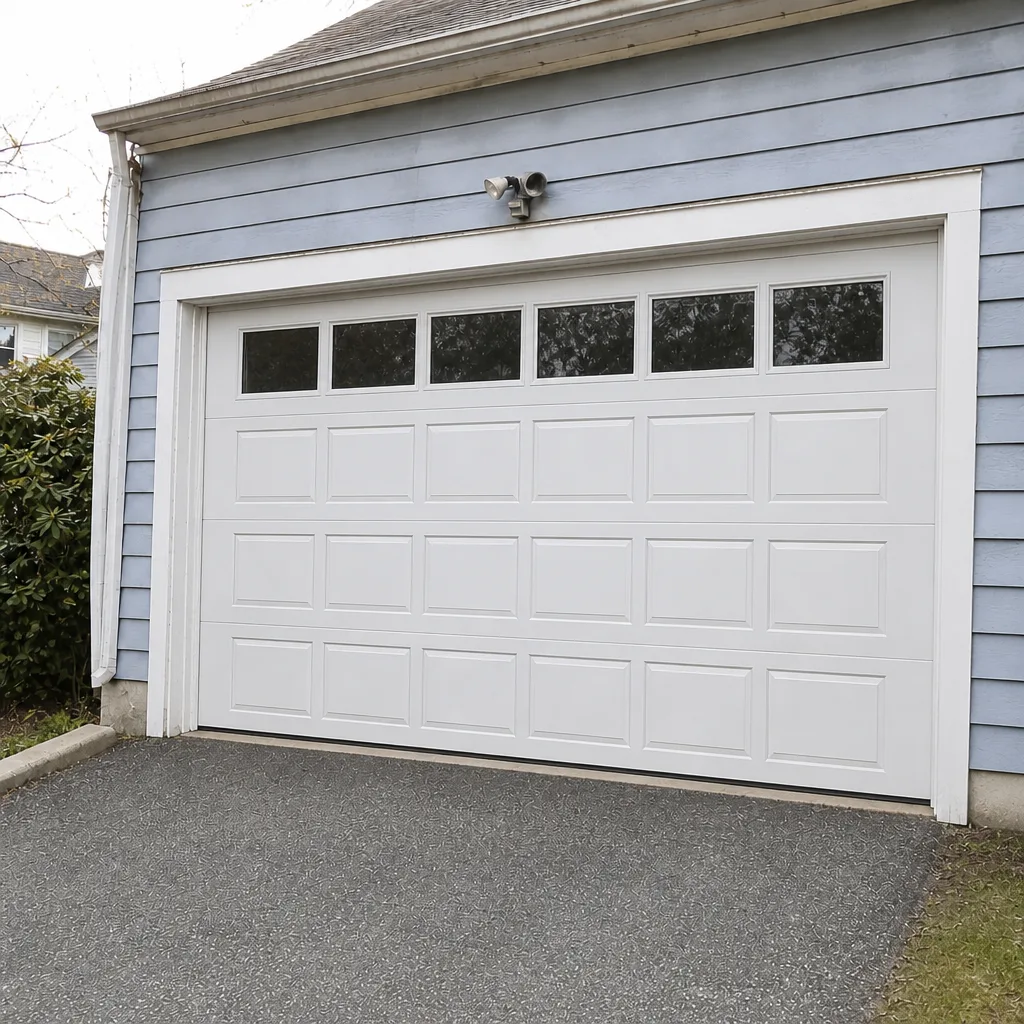 After
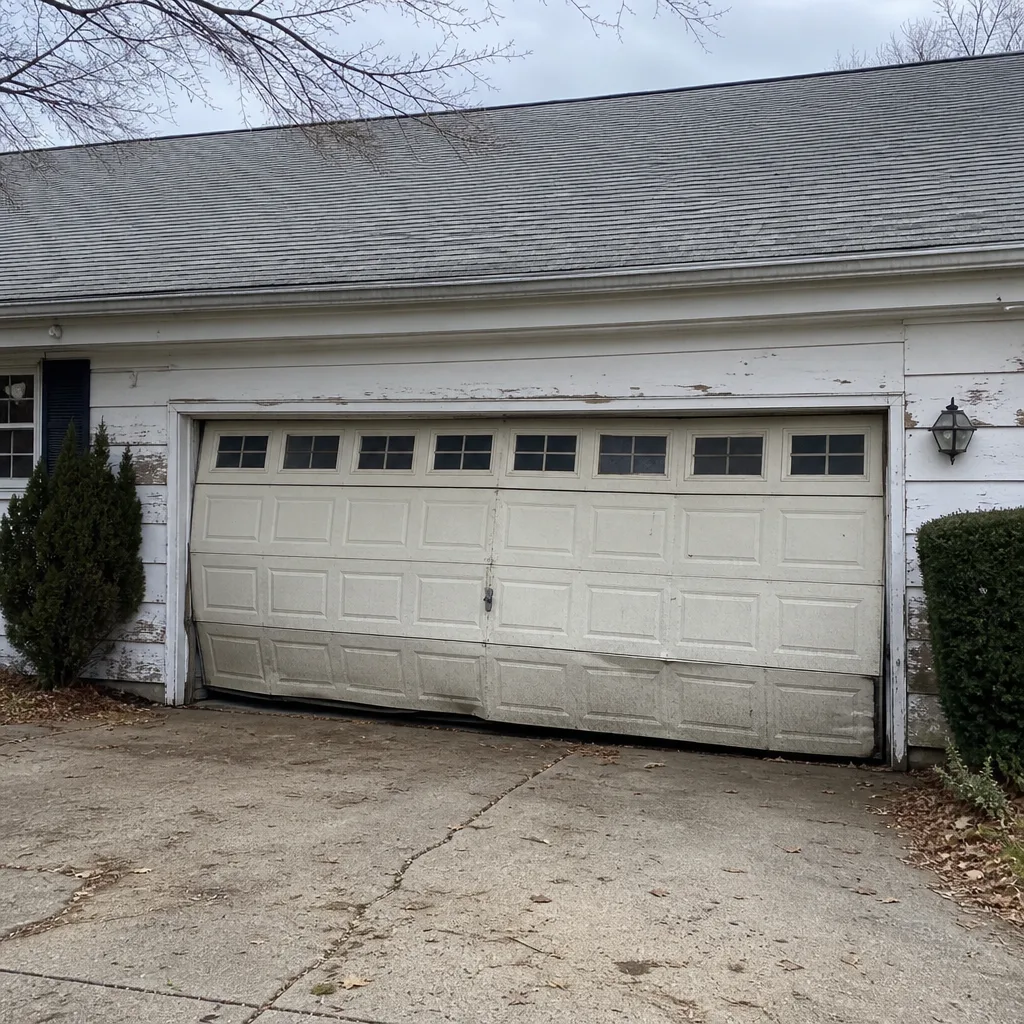 Before
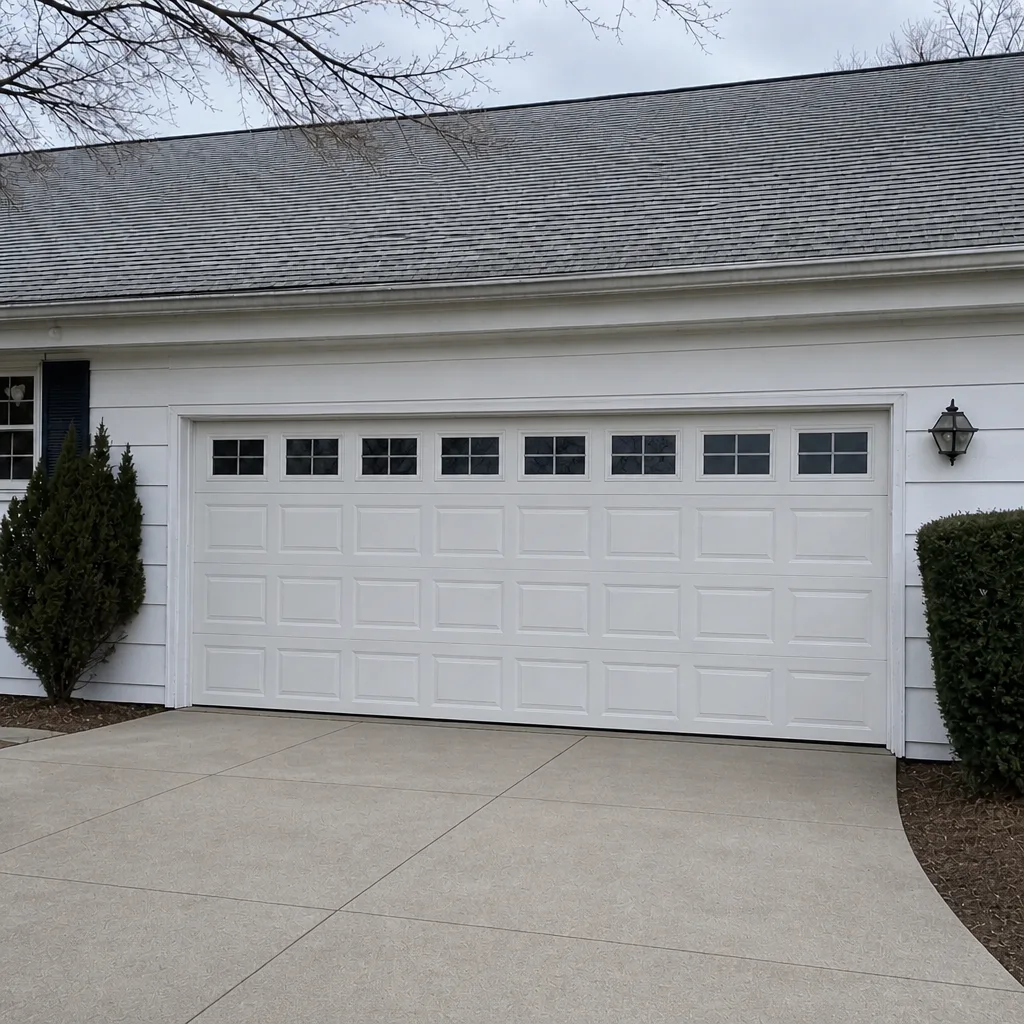 After
When to Call a Professional
Some garage door issues are genuinely dangerous, and springs sit at the top of that list. Torsion and extension springs store enough energy to cause serious injury if handled by someone without the training and the tools. Cables under tension are the same story. If your door has snapped a spring, broken a cable, or come off its track, that’s a professional call, not a weekend project. The same goes for anything involving the opener’s electrical connections – panel work and wiring carry real risk.
For milder issues, the hiring process in this guide is still the right move. A door that reverses unexpectedly, grinds on closing, or won’t respond to the remote deserves a proper diagnosis, and a specialist will find the actual cause instead of guessing. Bristol Garage Door Repair Pros offers free estimates in Bristol – call (844) 693-1911. We answer 24/7. Fast dispatch from 7am to 7pm, Sunday through Friday, and if a door fails on a Saturday, we’re closed, but a call books you into the next opening. The written estimate sets the final price, agreed before any work starts.
Frequently Asked Questions
Spring replacement in Bristol typically runs in the low to mid hundreds per spring, depending on the spring type, door weight, and whether it’s a single or matched pair. A matched pair costs roughly twice a single spring because both are replaced together. The written estimate after inspection is the final price, so ask for an itemized quote. Call (844) 693-1911 for an exact quote – estimates are free.
Yes, same-day service is available for urgent repairs like a snapped spring or a door stuck open. We answer 24/7 and dispatch from 7am to 7pm, Sunday through Friday, with Saturday closed. A call outside dispatch hours books into the next opening. Call (844) 693-1911 for the earliest slot.
The written estimate you approve before work starts sets the final price. If the diagnosis reveals something the phone call couldn’t uncover, the technician shows you the finding and quotes the revised scope before touching anything. You approve the price, then the work happens. Call (844) 693-1911 for a free estimate.
The local professional we connect you with is licensed and insured as their state requires, and we expect you to verify both. Ask for the contractor registration number and a certificate of insurance before booking. Call (844) 693-1911 – we’re happy to talk through how verification works.
Repair is usually the smarter call when the door is opening and closing but the opener is struggling – worn gears, a failing logic board, or a misaligned photo-eye are common fixes on LiftMaster and Chamberlain systems. Replace the opener when the motor or drive system has failed beyond reasonable repair, or when you want smart-home features. A diagnosis-first contractor tells you which case you’re in. Call (844) 693-1911 to book an inspection.
A brand-agnostic contractor services the major installed brands rather than pushing one. We service LiftMaster, Chamberlain, Genie, Clopay, Amarr, Wayne Dalton, Craftsman, and Raynor, which covers most of what’s installed in Bristol homes. If a company won’t name several brands when you ask, keep looking. Call (844) 693-1911 to talk through your door.
The Bottom Line
Hiring a garage door contractor in Bristol comes down to diagnosis, not price alone. A diagnostician asks about symptoms, quotes the repair, and tells you when a simple fix is the right fix. A parts-pusher starts with a package and works backward to justify it. The five phone questions, the estimate-reading skills, and the red flags in this guide let you tell the two apart before anyone arrives. Verify licensing, compare spring specs rather than bottom lines, and read the estimate line by line. Do that, and the most expensive call becomes the one you never made.
Call (844) 693-1911 for a free estimate from Bristol Garage Door Repair Pros. We answer 24/7. Fast dispatch from 7am to 7pm, Sunday through Friday. The written estimate sets the final price, agreed before any work starts.
Written by the team at Bristol Garage Door Repair Pros.