
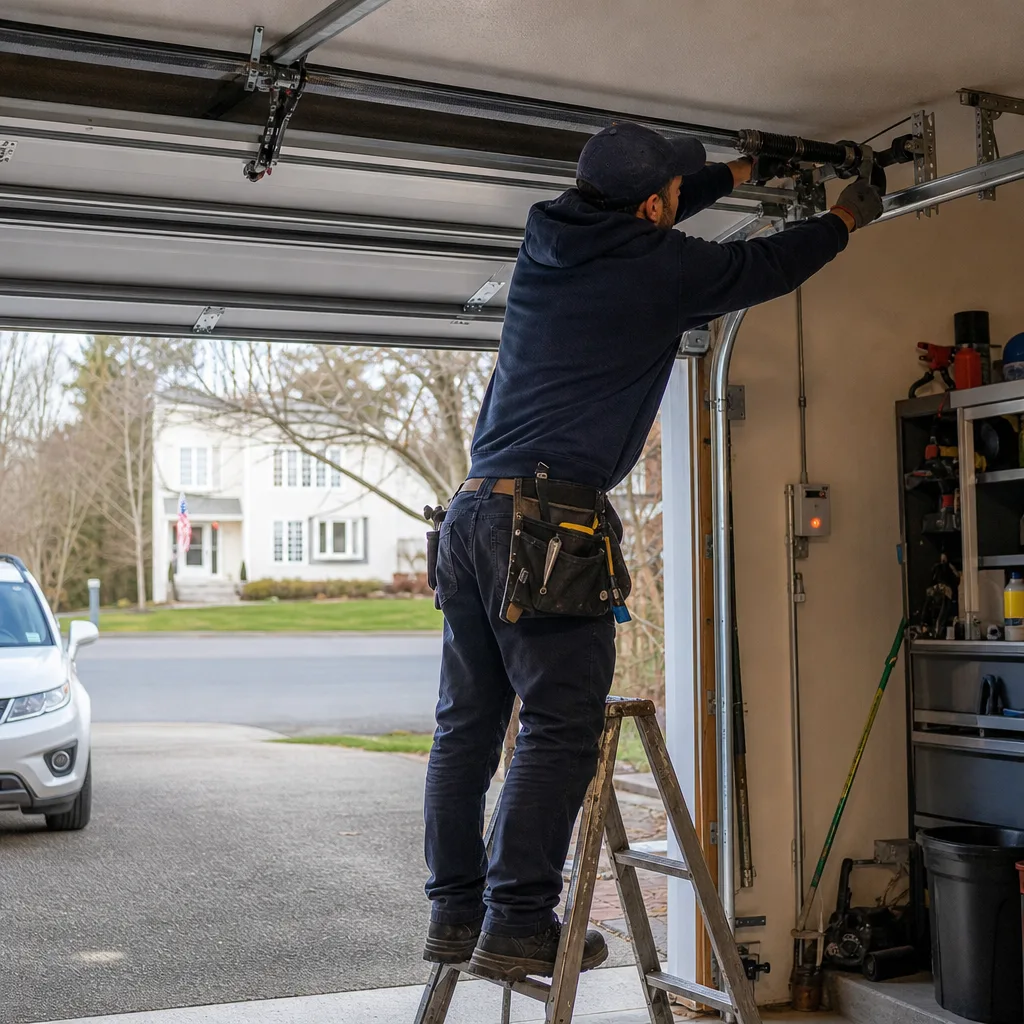
Last updated November 21, 2026
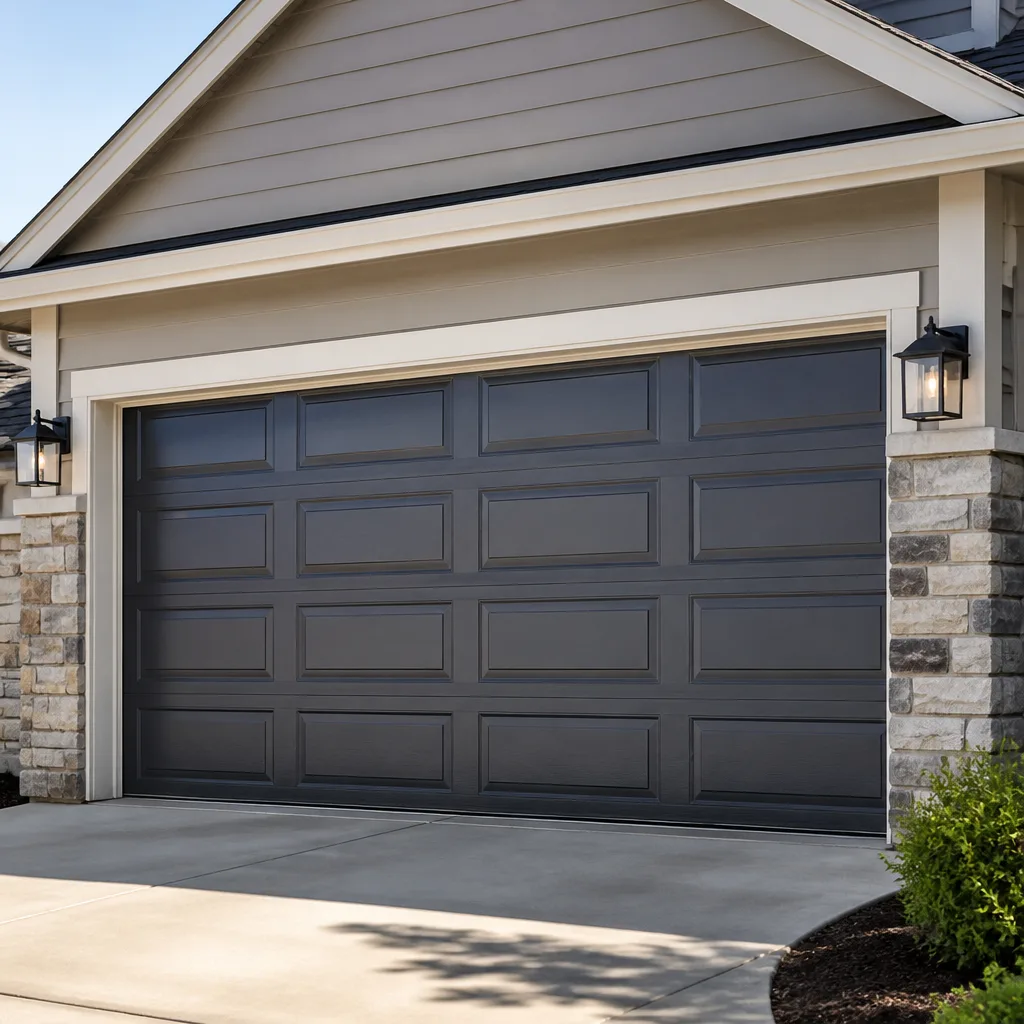 Raised-panel steel
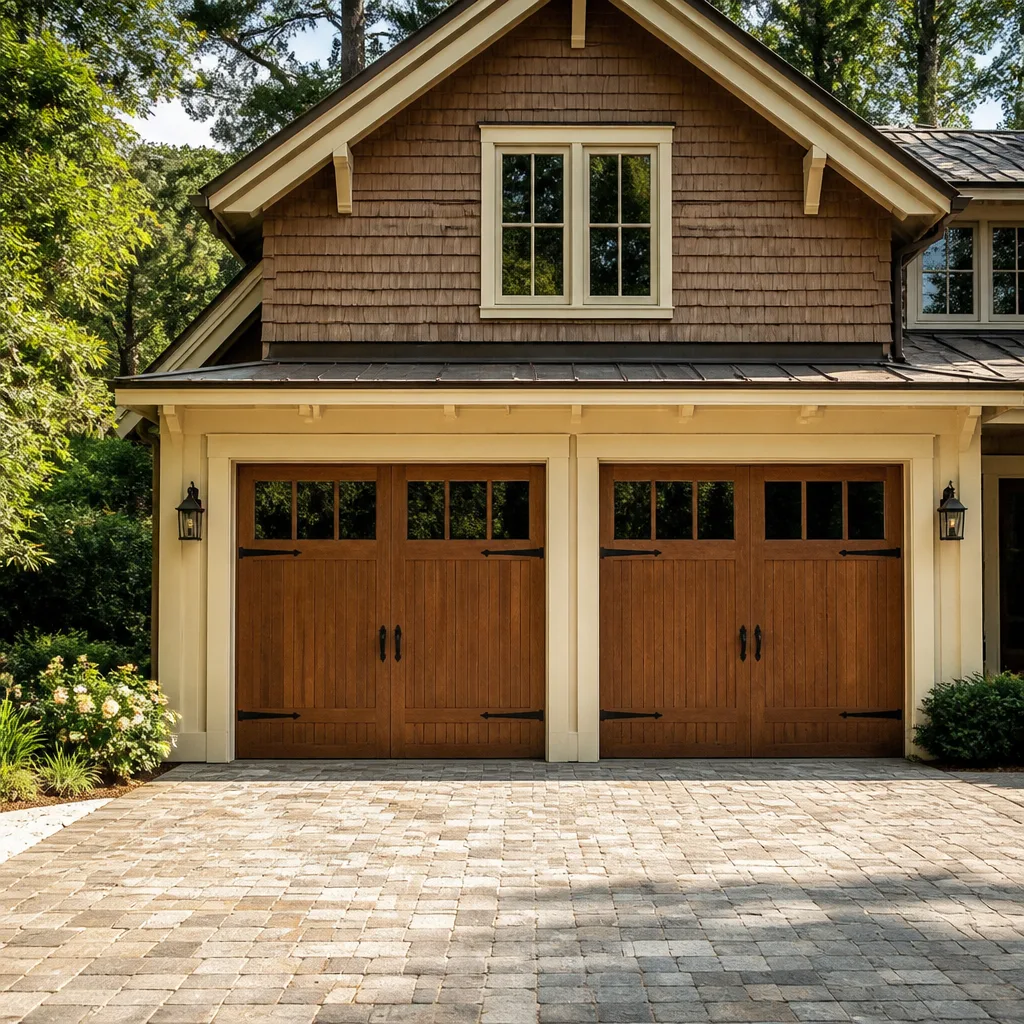 Carriage house
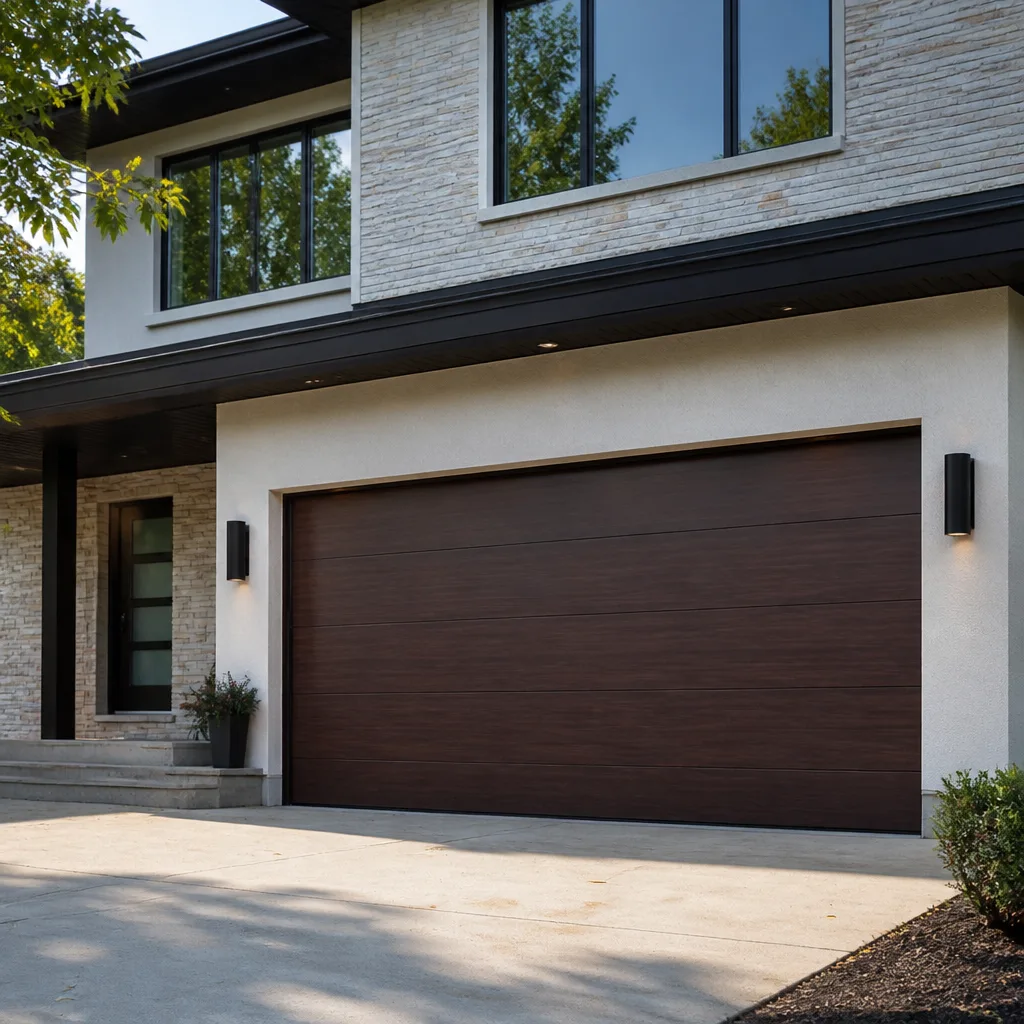 Modern flush
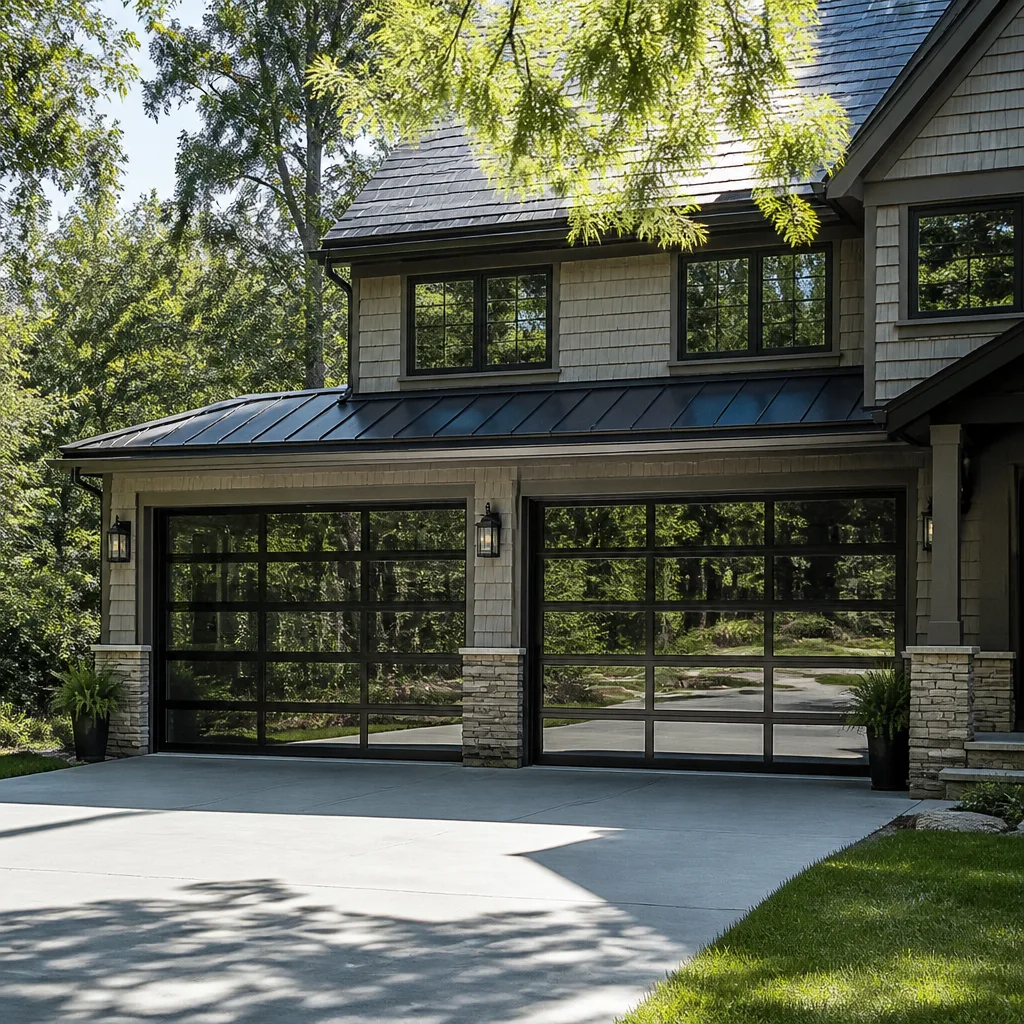 Full-view glass
 LiftMaster openers
 Chamberlain openers
Full 25-point door and opener safety check with every visit - springs, cables, rollers, tracks, and your LiftMaster or Chamberlain opener included
You get a price before we start. It does not change when the pro arrives.
Get your free estimateGarage Door Permits, Codes & Inspections in Bristol, CT: What You Need to Know
Most Bristol homeowners assume that replacing a garage door never requires a permit. Usually they’re right, and the job is a simple like-for-like swap. But the exceptions are narrow, specific, and expensive to get wrong: a new opening cut into a wall, a widened rough opening that moves a structural header, or a door between an attached garage and living space that doesn’t carry the required fire rating. Connecticut’s fire code asks for a minimum 20-minute fire-rated door assembly between an attached garage and the rooms you sleep in, and that rating belongs to the door unit itself, not just the wall around it. Put in the wrong door on a straight replacement and you’ve created a violation the old installation never had. This guide walks through when Bristol actually wants a permit pulled, what the code requires, and what an inspector looks for on the day.
Quick Answer
In Bristol, CT, a straight like-for-like garage door replacement (same size, same opening, same wall) generally does not require a building permit, but a new opening, a change in rough opening size, structural header work, or any door between an attached garage and living space that doesn’t meet the state’s 20-minute fire rating does. When in doubt, call the Bristol Building Department before you buy the door, and ask a garage door professional to confirm the assembly you’re installing meets code. Getting that answer first is what keeps a routine swap from turning into a correction order.
Styles & brands we work with
- Raised-panel steel
- Carriage house
- Modern flush
- Full-view glass
- LiftMaster openers
- Chamberlain openers
Table of Contents
- Does Replacing a Garage Door Require a Permit in Bristol?
- The Fire-Rated Assembly Rule Most Homeowners Miss
- When Structural Header Work Forces a Permit
- HOA Rules That Go Beyond Building Code
- What Happens at a Bristol Inspection
- New Construction versus Replacement: Different Rules
- Common Mistakes to Avoid
- When to Call a Professional
Does Replacing a Garage Door Require a Permit in Bristol?
Usually no. A garage door replacement in Bristol where the door matches the existing opening, the existing spring and track setup, and the existing wall structure is treated as a maintenance swap, not new construction. You’re taking a worn door off and putting a comparable one back in the same hole. Most homeowners in Bristol never touch the permit desk for this kind of work, and they shouldn’t have to.
What does trigger a permit is any change that alters the building itself:
- Cutting a new opening where there wasn’t a garage door before.
- Changing the rough opening size, whether wider, taller, or both. Even an inch of change can mean cutting into a load-bearing header.
- Replacing or modifying the structural header above the opening.
- Changing the door’s fire rating or the assembly between an attached garage and living space.
- Adding an attached garage or converting an existing space into one.
The distinction Bristol’s building department draws is between maintaining what’s there and altering the structure. A same-size Clopay or Amarr door going into the same opening is maintenance. A door that’s a different size, weight class, or configuration is where the conversation shifts. The state building code follows the same logic, and it’s why the permit question is really a question about what changes, not about whether the door is new.
If you’re not sure which side of the line your job falls on, call the Bristol Building Department and describe exactly what you’re changing. Ask the specific question: “I’m replacing a 16-foot door with a 16-foot door in the same opening – is that a permit?” You’ll get a clear answer in a couple of minutes, and it’s the answer that matters, not a general rule from a forum.
The Fire-Rated Assembly Rule Most Homeowners Miss
This is where Bristol garage door work gets serious. Connecticut’s fire code requires a minimum 20-minute fire-rated door assembly between an attached garage and the home’s living space. The intent is straightforward: a fire starting in a garage, where cars, gas cans, lawn equipment, and stored chemicals live, shouldn’t have an open path into the bedrooms above or beside it. Twenty minutes is enough time for people to get out and for responding crews to arrive.
What most homeowners don’t realize is that the 20-minute rating applies to the door unit itself, not just the wall assembly. A wall that meets fire separation requirements with an unrated door in it is a rated wall with a hole in it. So when a replacement door goes in on a wall that’s shared with living space, the door has to satisfy the rating to keep the assembly compliant.
What Satisfies the Requirement
The door specification is what carries the rating, so the choice of product matters. In practice, manufacturers who make doors rated for that application label them clearly, and the label is part of the documentation you want to keep on file. A standard unrated sectional door, even a good one, isn’t the same thing as one built and labeled for fire separation. When you’re comparing doors for an attached-garage installation in Bristol, ask the supplier directly whether the model you’re considering is rated for the 20-minute requirement. Clopay and Amarr both publish door lines suited to this application; the specific model matters more than the brand.
The other half of the requirement sits in the hardware. A fire-rated door is only useful if it will close and stay closed during a fire. That means the door should be able to close under its own weight if the opener fails, and the assembly needs to be installed so nothing prevents that closure. Self-closing hardware and a properly adjusted opener are part of what makes the rating real, not just theoretical.
This is where a lot of well-intentioned replacements go wrong. A homeowner picks a door based on style, price, and how it looks from the street, and the fire rating never enters the conversation. That’s fine if the wall between the garage and the house is intact and the original door was unrated to begin with. It’s not fine if you’re changing the code classification of the assembly, or if the previous installation carried a rating that the new door doesn’t. If there’s any doubt, have a professional look at the current assembly before you buy. We handle garage door repair and replacement in Bristol and we check the rating as part of the walkthrough.
When Structural Header Work Forces a Permit
A garage door opening is framed by a structural header above it. That header carries the weight of the wall above the opening, and depending on the building, may also carry the second floor, roof loads, or a combination of both. Move the opening wider or taller and you’re altering what the header has to span. That’s a structural change, and Bristol requires a permit for it regardless of the door’s value.
Changing an 8-foot door to a 9-foot door is not the same job as changing an 8-foot door to another 8-foot door. The first one requires a structural engineer to evaluate the new load path, and the second usually doesn’t. The same is true when a homeowner wants to widen a single-car opening into a double, or when a builder cut the rough opening short and a homeowner wants to correct it to standard.
Here’s what the process typically involves:
- Determine the new opening size and whether the change requires a larger header.
- Have a structural engineer evaluate the load and produce drawings if the header size or span changes.
- Submit the drawings with a building permit application to the Bristol Building Department.
- Complete the framing work under the approved permit and arrange the rough-in inspection before the door goes on.
- Install the door and complete the finish, then arrange the final inspection.
The step most people skip is the engineer. Skipping it to save the fee usually costs far more later, either because the inspector flags it and work stops, or because a buyer’s inspector catches the unpermitted structural change during a home sale and the correction becomes a real expense. The door itself is the cheap part of this job – the structure is where the risk lives.
If you’re going wider, the honest answer is to call the Bristol Building Department before you order the door. Describe the existing size and the new size. They’ll tell you what paperwork they want, and in most cases the answer depends entirely on the header. It’s the single most important sentence in this guide: the door size determines the permit question, not the door price.
HOA Rules That Go Beyond Building Code
Bristol’s residential landscape includes a mixture of older neighborhoods and newer subdivisions, and the newer ones often come with homeowners’ association rules that add their own layer of requirements. These rules aren’t building code – you don’t fail a city inspection for violating them – but they can dictate what door you’re allowed to install, and getting it wrong means replacing a door you just paid for.
What HOA rules commonly control for a garage door replacement:
- Permitted materials, often restricting which door lines are acceptable even within a single brand.
- Color and finish, frequently tied to the color palette approved for the subdivision.
- Panel style and window configuration, especially in neighborhoods built with a consistent look.
- Opener equipment visibility in some cases, or restrictions on exterior-mounted hardware.
The right process is to get the HOA’s written approval before you order. Most associations have a standard architectural review form; submit it with the door’s specification sheet and wait for the written response. Verbal approval from a board member is not the same thing as written approval, and if the board changes, the verbal approval disappears with it. If you’re in a subdivision where the builder set the original door style, matching the original spec is the safest path. A professional installer can help you identify what’s currently installed so the paperwork matches reality.
The HOA conversation usually runs parallel to the permit conversation, not in place of it. A door that satisfies the association still has to satisfy the fire-rated assembly rule if it sits between the garage and living space, and a permit still applies if the opening changes. Check both, in that order: HOA first so you know what door you’re allowed to buy, building code second so you know whether the job needs a permit.
What Happens at a Bristol Inspection
If your job requires a permit, an inspection is the last step before the permit closes. Understanding what the inspector checks makes the difference between passing on the first visit and doing the whole thing again. In our experience, most garage door inspection failures come down to documentation, not the physical install.
What a Bristol inspector typically reviews on a garage door replacement:
- The permit and approved plans are on site and match the work completed.
- The door’s rating documentation is present if the assembly is fire-rated.
- The opening dimensions match what was approved on the plan.
- The structural work, if any, is visible and matches the engineered drawings.
- The door operates and closes fully, including under manual operation.
- The opener’s safety features, including the auto-reverse function, are functioning.
- The installation matches the approved product, not a substitute door that wasn’t on the paperwork.
The substitution issue is the most common trip-up. If the approved plan lists a specific door model and a different door went in, the inspector will note it, even if the door is comparable or better. Keep the door specification sheet, the fire-rating label if applicable, and the approval in a single folder so it’s all in one place on inspection day. That’s a two-minute investment that prevents a return visit.
If the inspector does flag something, it’s usually correctable, but it adds time to the job and sometimes requires a portion of the work to be redone. If the door is already up and the fire rating is wrong, you’re looking at door replacement, not a small adjustment, which is exactly why the door’s spec has to be settled before the install begins. If the issue is an opener safety adjustment or a closure problem, that’s a same-visit correction. We handle garage door opener repair on many of the brand systems we’re certified to service, so if an inspector flags something on the opener, it’s a manageable fix.
New Construction versus Replacement: Different Rules
A brand-new garage door installed as part of building a home is not the same as a replacement, and the permit path is entirely different. On new construction, the garage door is one component of a permit that covers the whole building, and the inspector reviews the door as part of the overall assembly including the fire separation. The door specification on the plan set matters, and a substitution has to be approved through the same process as any other change.
On replacement, the door is the only change, so the permit is narrower, and often the answer is no permit needed at all. This is why a homeowner replacing a door shouldn’t ask the question the way a builder asks it. “What permit do I need for a garage door?” is answered differently depending on whether the door is new to the structure or a swap on an existing opening.
There’s a middle category too: a garage door replacement that’s part of a larger remodel or addition. In that case, the permit for the larger project usually covers the door, and the door’s compliance gets reviewed alongside everything else. If your door replacement is part of a permitting conversation for other work, the door compliance rides along with the rest of the project. Just make sure the door’s specification is in the plan set so the inspector sees it.
The practical rule for Bristol homeowners: if the door is going into an existing opening at the same size, it’s a replacement. If it’s part of a larger build or remodel, it’s part of the larger permit. Ask the building department once, clearly, and get the answer in writing if you can.
Do You Need a Permit for an Opener Replacement?
No. A garage door opener swap or repair in Bristol doesn’t require a building permit. The opener is an appliance, not a structural element. The permit hinges on the door and the opening, not the motor.
That said, the opener still matters to the inspection if a permit is pulled for other reasons on the same job. Inspectors routinely check that the safety reverse function is working, because the opener is what makes the door safe to operate. If the safety reverse is out of adjustment, or the force settings are too high, it’s a red flag regardless of what permit you pulled. Some Genie and Chamberlain units will run for years with the safety reverse disabled and nobody notices until the door comes down on something and the motor doesn’t back off. That’s a small adjustment with large consequences; the inspector is checking exactly the thing you want functioning.
Modern openers with Wi-Fi and smartphone control still follow the same rules – no permit needed – but they need a functioning safety reverse like any other. If you’re replacing an opener on a door that also has a fire separation requirement, the opener’s closure behavior matters too: the door has to be able to close on its own if the motor fails. The replacement opener doesn’t change the door rating, but the way it’s configured can affect whether that rating is functional in an emergency. If you’re not sure whether your door closes fully under manual operation, test it by hand before assuming the opener configuration is fine. If a professional needs to correct it, we cover opener repair across the systems we service.
How Bristol’s Weather Shapes Garage Door and Code Decisions
Bristol’s climate is New England, which runs cold, wet, and freeze-heavy for a chunk of the year, and hot and humid for another. That cycle works on garage door systems in a few predictable ways, and it’s part of why the door choice matters beyond cosmetics. Sections expand and contract with temperature change, springs lose tension over time, and moisture on the tracks and hardware accelerates wear. None of this changes the fire rating of the assembly, but it does change how long a door will sit happily in its opening and whether the hardware remains properly aligned over its life.
For fire-rated installations, the physical closure behavior is the standard the inspector checks. A door that’s out of adjustment because of temperature-related track shift may not close fully even though it looks fine when you glance at it. That’s a maintenance matter, not a code violation, but it’s the type of thing that becomes a code matter if it’s left long enough and an inspection catches it years later. Spring systems are also affected by temperature cycling, and since spring repair is a dedicated service we handle, we see the difference between a system kept properly adjusted and one left to work itself out of spec. For more on that side of the maintenance picture, our garage door spring repair page covers the seasonal behavior in detail.
A note on safety here, because it matters: torsion springs, extension springs, and the cables that carry the door’s weight are under serious tension. Anyone who’s been told “the spring is just a piece of metal” has been told wrong. That’s not a DIY repair, even for a confident homeowner. The correct call is a trained professional, every time, and that’s one of the reasons a garage door specialist is worth calling for jobs that seem routine.
See the difference
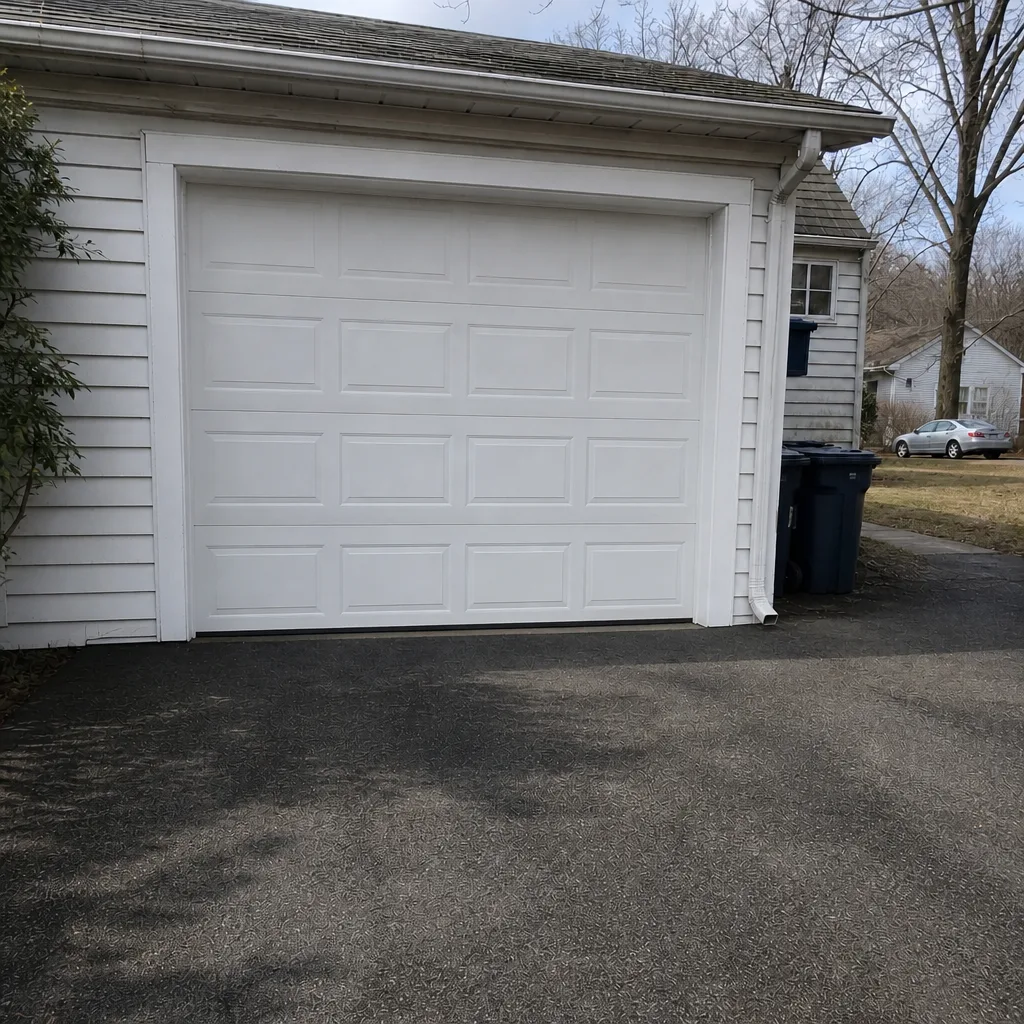
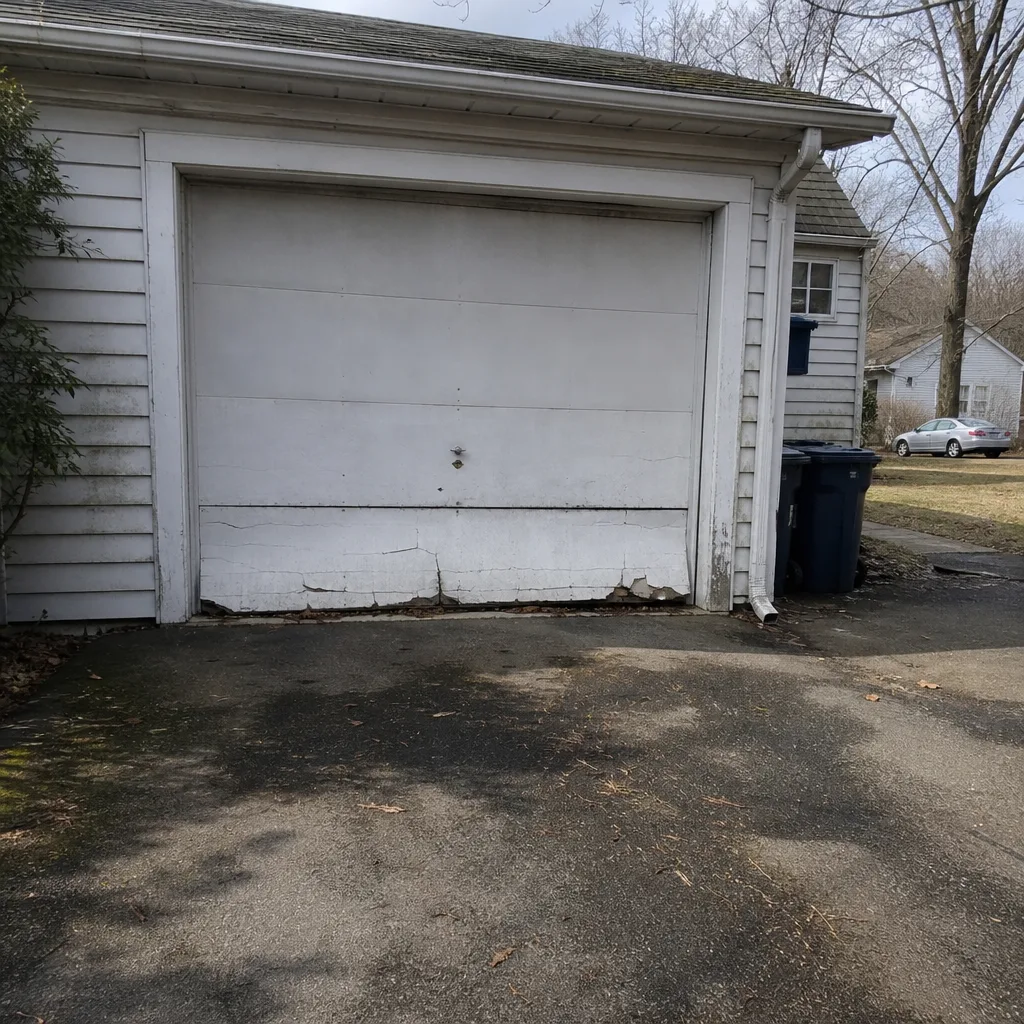 Before
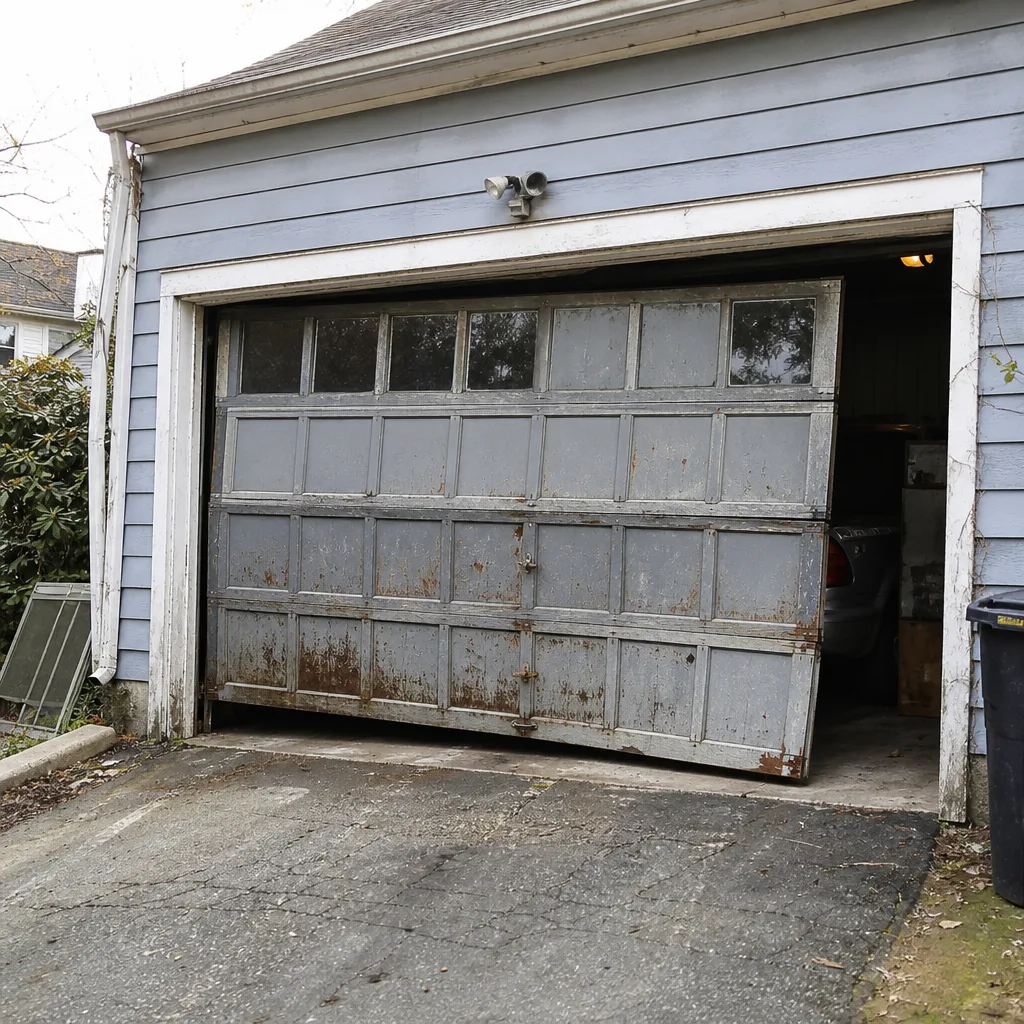
 After
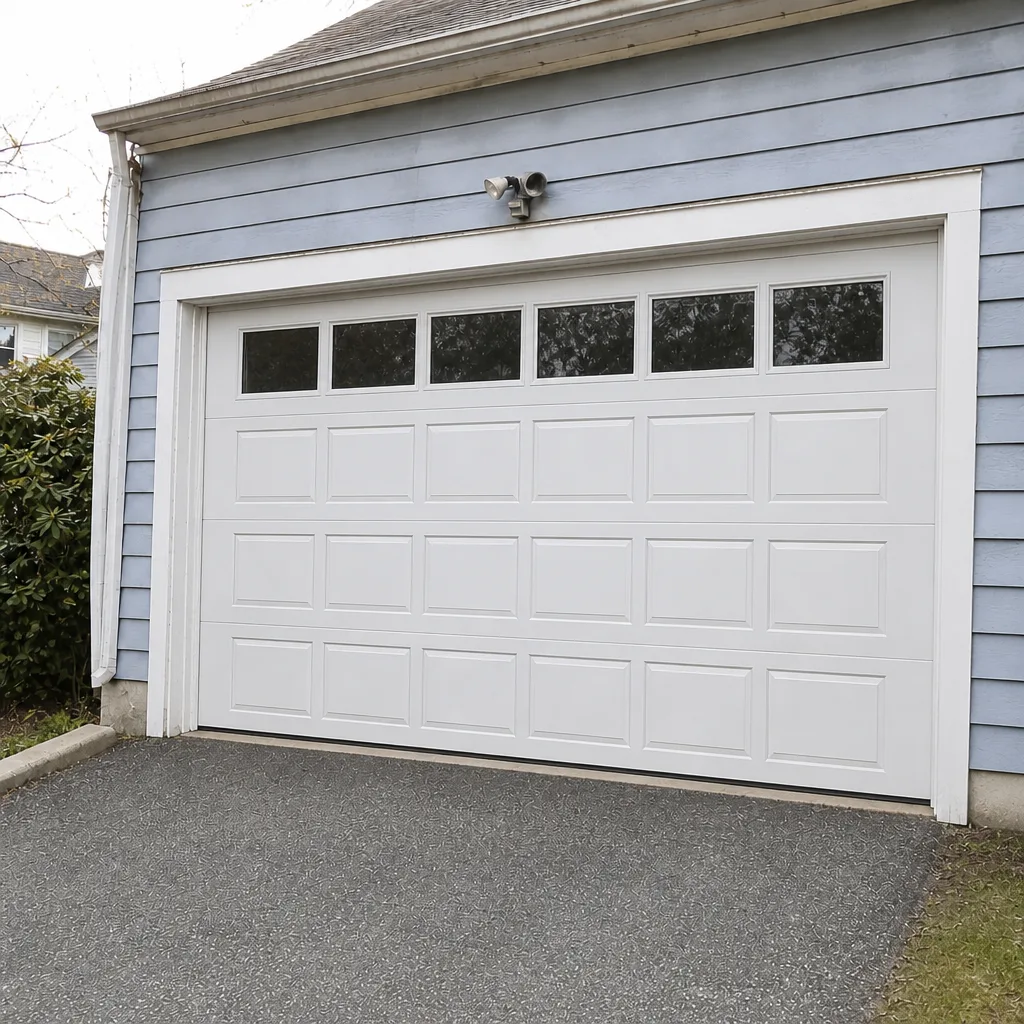
 Before
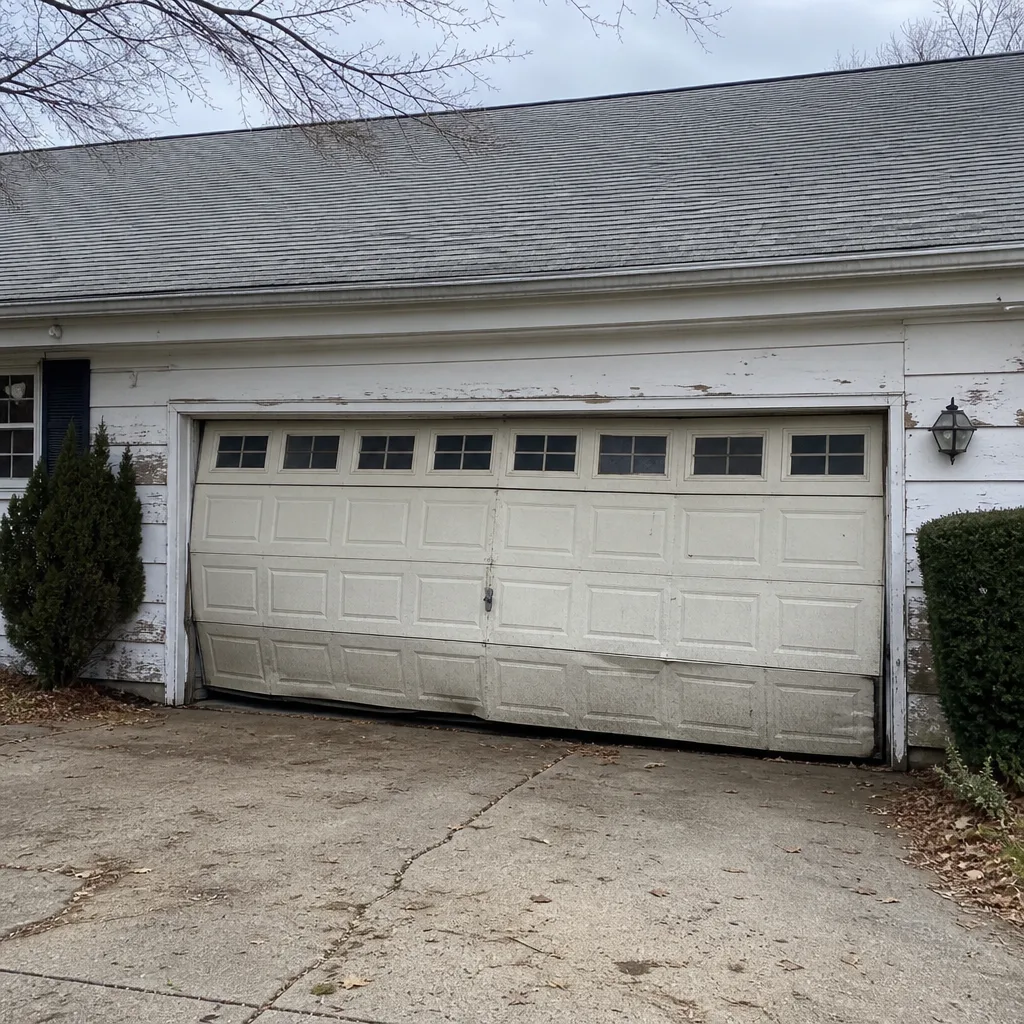
 After
 Before
 After
Common Mistakes to Avoid
- Assuming every replacement needs a permit. Most Bristol door replacements don’t, and pulling a permit you don’t need wastes time. Call the building department and describe the specific change before you decide; the answer depends on the job, not on a general rule.
- Assuming no replacement ever needs one. The opposite error is more expensive. A changed opening, a new door in a new wall, or a structural header change all need a permit, and skipping it means the work has to be corrected or the permit retroactively pulled later.
- Installing an unrated door on a fire-separated wall. Connecticut requires a 20-minute fire-rated assembly between an attached garage and living space. A door that doesn’t carry the rating leaves the assembly out of compliance, and “it looked fine” isn’t a defense at inspection.
- Skipping the structural engineer to save a fee. If the opening changes size, the header changes with it. A new door in an under-engineered opening is a hazard, and the correction is far more expensive than the original drawings would have been.
- Ordering the door before checking the HOA. Bristol subdivisions vary, and a door that doesn’t match the approved style or color has to come back out. Get the written HOA approval first; it’s a form and a wait, not a conflict.
- Not keeping the door specification sheet on file. If the job gets inspected, and especially if the door carries a fire-rating label, the paperwork is part of the compliance. Without it, the inspector has to assume the worst.
- Letting the opener safety reverse go unchecked. Whether or not a permit is pulled, the safety reverse is the single most important functional check on the door. Test it regularly; if it fails, get it corrected before something or someone is in the way.
When to Call a Professional
Call a professional when the door’s opening is changing in any way, when the wall between the garage and the house carries a fire separation requirement, when a door won’t close fully on its own, when a spring has broken, or when you’re not sure whether the job crosses the permit line. Some of these are code calls and some are safety calls, but all of them benefit from a specialist’s eye before the work starts. Bristol Garage Door Repair Pros offers free estimates in Bristol. Call (844) 693-1911. We answer 24/7. Fast dispatch from 7am to 7pm, Sunday through Friday. Our technicians have up to 12 years of experience and we service the major door and opener brands that show up in Bristol garages.
Frequently Asked Questions
In most cases, no. A replacement where the new door matches the existing opening size and configuration is a like-for-like swap and generally doesn’t require a building permit. If the opening changes, if a header is modified, or if the fire-rated assembly between an attached garage and living space is affected, a permit is required. Call the Bristol Building Department with the specific details of your job to get a firm answer – it’s free and fast, and it removes the guesswork. If you want a professional to look at the assembly before you order a door, call (844) 693-1911 for a free estimate.
Connecticut’s fire code requires a minimum 20-minute fire-rated door assembly between an attached garage and the home’s living space. The rating applies to the door unit itself, not just the surrounding wall, so the specific door model has to be rated for that application to keep the assembly compliant. If you’re replacing a door on a fire-separated wall, confirm the model you’re buying carries the rating before the install. If you’re not certain what’s currently installed, a professional walkthrough is worth the call. Reach us at (844) 693-1911 for a free estimate.
No. A widened opening changes the structural header above it, and Bristol requires a permit for header modifications regardless of the door’s cost. Widening typically needs structural engineering drawings to accompany the permit application, because the load that was carried by the old header has to be re-evaluated for the new span. Skipping the engineer and pulling a permit anyway leads to the work being rejected; skipping both means the structure may not be sound. Call the Bristol Building Department first, then have a professional evaluate the opening before ordering any door. For an exact quote on the door side of the job, call (844) 693-1911.
An inspector reviews the permit and approved plans on site, the door’s fire-rating documentation if applicable, the opening dimensions, the structural work if any, whether the door operates and closes fully under manual operation, and the opener’s safety reverse function. The most common cause of a failed inspection is the door that was installed not matching the one on the approved plans. Keep the door specification sheet and approval in a single folder on site for inspection day. If you need an opener corrected so the inspection can pass, call (844) 693-1911 for a free estimate.
No. HOA rules and building code operate in parallel; a door must satisfy both, not one in place of the other. An HOA can restrict color, material, and panel style beyond what the code requires, and a door that matches the association’s palette still has to meet the fire-rating requirement if it sits between an attached garage and living space. Submit the HOA’s architectural review form with the door’s specification sheet before ordering, and then confirm the permit side separately with the Bristol Building Department. If you need help identifying a compliant door, call (844) 693-1911.
No. Replacing a garage door opener in Bristol doesn’t require a building permit. The opener is an appliance, not a structural change, and the permit conversation is tied to the door and its opening. That said, if a permit is being pulled for door work on the same job, the inspector will check the safety reverse function, so it’s worth confirming the opener is operating correctly regardless. If a safety reverse issue shows up, we handle opener repair across the major brands we’re certified to service. Call (844) 693-1911 for a free estimate.
The Bottom Line
Most Bristol garage door replacements don’t need a permit, but the exceptions are specific and costly to get wrong: a new opening, a widened opening that changes the header, or a door installed where the fire-rated assembly between the attached garage and living space needs to be maintained. Connecticut requires a minimum 20-minute fire-rated door assembly in that location, and the rating belongs to the door unit, not just the wall. Keep the door on the same opening size, check the HOA paperwork before ordering, and confirm the permit question with the Bristol Building Department before the job starts. A specialist can walk through the assembly and the permit side in a single visit – if you want that, Bristol Garage Door Repair Pros is here for a free estimate. Call (844) 693-1911. We answer 24/7. Fast dispatch from 7am to 7pm, Sunday through Friday.
Written by the team at Bristol Garage Door Repair Pros.