
Last updated November 21, 2026
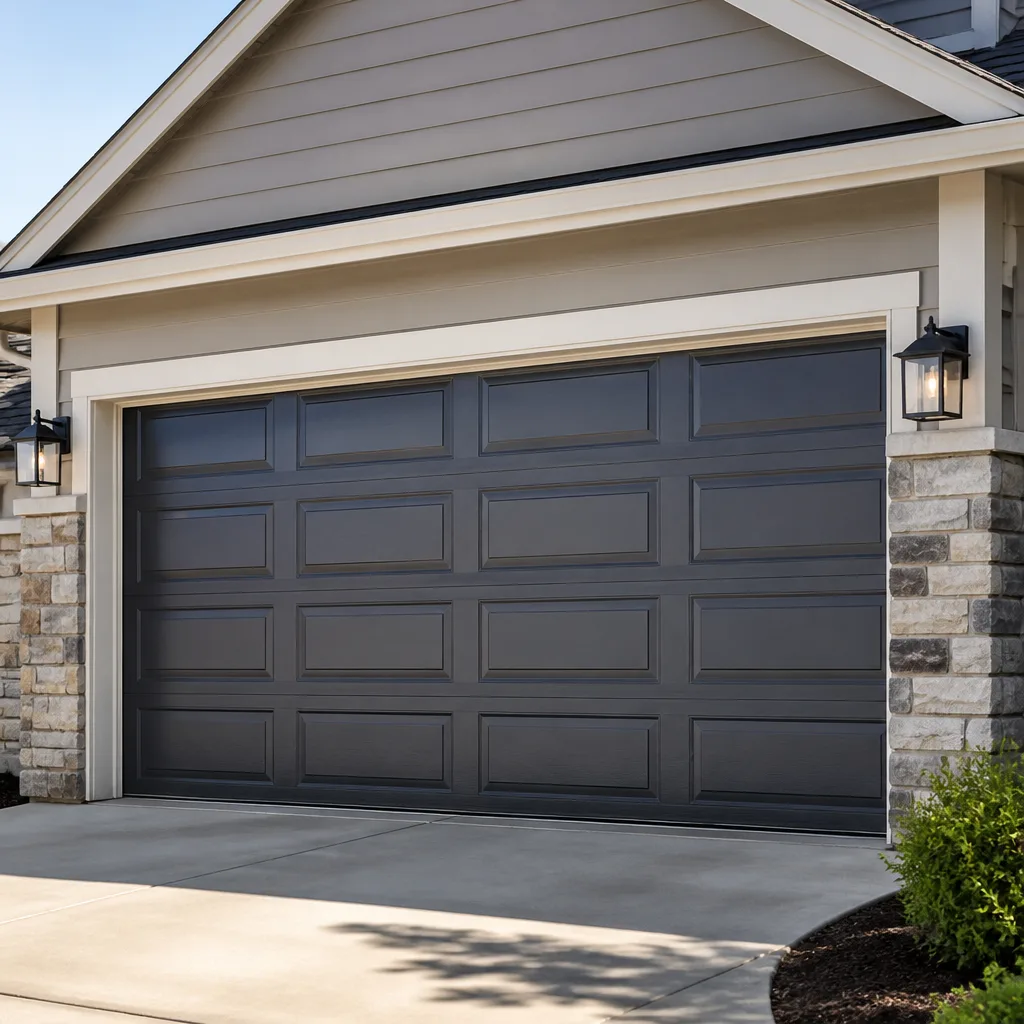 Raised-panel steel
 Carriage house
 Modern flush
 Full-view glass
 LiftMaster openers
 Chamberlain openers
Full 25-point door and opener safety check with every visit - springs, cables, rollers, tracks, and your LiftMaster or Chamberlain opener included
You get a price before we start. It does not change when the pro arrives.
Get your free estimateDIY vs Professional Garage Door: The Bristol Homeowner’s Decision Guide
Torsion springs store roughly 100 foot-pounds of torque on a standard residential door. That is not a warning meant to keep you away from your own garage. It is a specific engineering fact that decides exactly which repairs belong on a Saturday afternoon and which ones belong to a trained technician. The list is shorter on each side than you’d expect. Too many Bristol homeowners treat the DIY question as purely a money decision, when it’s really a risk and skill-gap assessment. This guide draws the line clearly: what you can safely own, what you can partly own, and what you should never touch. You’ll get honest tools lists, a realistic cost comparison for the Bristol market, and the local context that goes beyond what a generic DIY video can tell you about a Connecticut garage door.
Quick Answer
In Bristol, safe DIY garage door work is limited to cleaning, lubrication, visual inspection, reversing-sensor checks, and replacing light bulbs or wall buttons. Anything involving torsion or extension springs, cables, bottom brackets, or the high-tension hardware that holds a door up belongs to a trained technician. Mid-level tasks like track alignment and roller replacement sit on the fence: doable for a confident, well-equipped homeowner, but only if you understand the tension involved. When the job crosses into spring or cable territory, the savings aren’t worth the injury risk.
Styles & brands we work with
- Raised-panel steel
- Carriage house
- Modern flush
- Full-view glass
- LiftMaster openers
- Chamberlain openers
Table of Contents
- Why garage doors are different from other DIY projects
- The safe DIY list: repairs a Bristol homeowner can own
- The danger list: work that belongs to a technician
- Mid-level DIY and the skill prerequisites most people skip
- DIY vs professional cost comparison for Bristol
- Tools you already have vs tools you’d need to buy
- The partial DIY approach: prep, diagnostics, cleanup
- What’s different about a garage door in Bristol, CT
- Common mistakes to avoid
- When to call a professional
- Frequently asked questions
Why garage doors are different from other DIY projects
Most home repairs fail safely. A badly hung shelf falls down. A poorly patched wall looks bad. A garage door does not fail safely. It is a counterbalanced mechanical system under continuous tension, and when that balance breaks the stored energy goes somewhere. That somewhere is often toward whoever is standing under it.
A residential door is balanced by springs pulling against the weight of the door. The springs are stretched or wound to a specific tension, and that tension is held by cables and brackets. The moment any one of those components releases unexpectedly, the whole system reacts. That’s why garage door work is one of the few home maintenance jobs that carries a genuine injury risk for a novice, and why manufacturers and trade bodies treat it as technician work rather than homeowner work.
There’s a second difference that matters just as much: parts are system-matched. A spring wound to the wrong tension, a cable cut to the wrong length, a roller that changes the door’s running geometry, all quietly shorten the life of the opener and the door itself. In our experience, the expensive repairs we see in Bristol often start as a cheap DIY attempt that shifted the load onto a component that wasn’t built for it.
None of this means “never touch your door.” It means the DIY question deserves a sharper answer than yes or no. You’ll want to know exactly where the line is.
The safe DIY list: repairs a Bristol homeowner can own
Here’s the good news. A meaningful slice of garage door maintenance requires no special training and no more risk than any other household chore. These tasks keep the door running quietly, prevent most premature failures, and cost you nothing but time.
The homeowner-safe list is genuinely short and genuinely useful:
- Lubrication. Light oil on the torsion spring (if your door has one), rollers, hinges, and the track pivot points. Do this a couple of times a year in our climate and you’ll notice the difference in sound immediately.
- Visual inspection. Look for frayed cables, uneven spring gaps, worn rollers, loose bolts, or daylight showing through the bottom seal. You don’t need to fix these yourself; you just need to notice them early.
- Reversing-sensor testing. Put an object in the door’s path and check that the door reverses. Clean the sensor lenses when they fog or collect dust.
- Weather seal replacement. The rubber or vinyl around the perimeter and bottom is a simple homeowner job. It’s one of the highest-value DIY repairs in Connecticut, given how much wind and ice a Bristol door faces each winter.
- Opener light bulbs and wall buttons. Cosmetic, low voltage, no stored energy. This is the low-risk end of opener work; when the opener starts grinding or the logic board misbehaves, leave it to a technician.
- Light cleaning and debris clearing. Sweep out the track channels, clear leaves and grit from the floor seal, and remove anything that has slid against the door. Small hinges, done consistently, add years to a door’s mechanics.
None of these tasks touch the counterbalance system. That’s the dividing line. If the work involves lifting, holding, or adjusting the force that keeps the door up, it belongs on the other list.
The danger list: work that belongs to a technician
Some garage door jobs are not “difficult.” They are dangerous in a way that isn’t proportionate to the money you’d save. This is the list where a trained professional is the only sensible answer.
These tasks carry serious injury risk and should never be attempted by a homeowner:
- Torsion spring replacement or adjustment. The torsion spring is wound to hold the door’s full weight. Both the winding bars and the spring itself store that force. If a winding bar slips, you’re holding a lever that wants to move faster than your hand can. Our garage door spring repair service exists because this is the single most technically demanding and most dangerous job in the trade.
- Extension spring replacement. These stretch along the track above the door and can snap. Replacing them requires lowering the door safely, unhooking the tension, and matching the new spring to the door’s weight. There’s no safe partial version.
- Cable replacement. The cables are what turn spring tension into lift. A released cable whips and can cut. We replace them as part of garage door repair work because the tension on them is invisible until it isn’t.
- Bottom bracket removal. The bracket at the bottom corner of the door anchors the cable. Loosen it with the door down and the cable can release against your hand. This is a classic novice injury.
- Opener circuit board or capacitor work. Inside the opener housing is line voltage. If your garage opener has stopped responding and it isn’t a sensor or a battery in the remote, leave the housing closed and call us.
There is no DIY version of spring repair that a responsible adult should attempt. The springs, cables, and bottom brackets are the counterbalance system. Everything else is service work.
Mid-level DIY and the skill prerequisites most people skip
Track alignment and roller replacement sit in the middle. A confident, careful homeowner with the right tools can do them. That said, most people who try these without checking the prerequisites end up with a worse door, and the honest answer is more useful than a liability disclaimer.
Before you attempt track or roller work, walk through these checks:
- Understand the door’s balance first. Disconnect the opener, lift the door halfway, and let go. A balanced door stays where you put it. A door that slams or drops is telling you the springs need attention, and track work won’t fix that.
- Never adjust track bolts with the door up. The door must be down and disconnected from the opener before you loosen any track hardware. Loosen too much and the door can shift off its rollers.
- Know the difference between alignment and geometry. A track out of plumb by a fraction means the door binds. Moving that track means the door’s running geometry changes and the springs may no longer match. Track tweaks are a real skill; the “just loosen and nudge” version often creates a bigger problem.
- Match rollers to the door material. Nylon rollers suit most residential doors. Steel rollers are noisier and eventually flat-spot. Getting this wrong is cheap; getting the track and roller clearance wrong is not.
Our honest view: if you’re comfortable with hand tools, are patient, and have safety glasses and a helper, a track clean-up and roller swap is a reasonable weekend job. If you’re guessing about balance, tension, or whether the door is winding on correctly, stop. Track work done badly is a spring load transferred to a wall bracket or a hinge, and that’s the kind of failure that looks dramatic.
DIY vs professional cost comparison for Bristol
This is where the DIY-versus-pro debate gets interesting. DIY saves real money on some jobs and costs money on others. The pattern isn’t the one most homeowners expect.
Here’s the honest cost picture for common Bristol jobs, using typical ranges:
| Job | DIY cost | Typical professional cost | Verdict |
|---|---|---|---|
| Lubrication and visual inspection (twice a year) | Cost of a can of lubricant | Not usually worth hiring for | DIY |
| Weather seal replacement | Cost of the seal kit and a few hours | Estimated $150-$250 | DIY is fine |
| Reversing-sensor adjustment or replacement | Cost of the sensor and wiring | Estimated $100-$180 | DIY is fine |
| Roller replacement (full set) | Cost of a set of rollers and a couple of hours | Estimated $150-$280 | Either; DIY is realistic if you’re careful |
| Track realignment | No parts cost | Estimated $100-$200 | Pro if you don’t fully understand the geometry |
| Opener repair (motor, logic board, gearing) | Not realistic | Estimated $150-$350 | Pro |
| Torsion spring replacement (single spring) | Not recommended | Estimated $180-$340 per spring; a matched pair is usually replaced together, so a pair costs about twice that | Pro only |
| Cable replacement | Not recommended | Estimated $150-$350 | Pro only |
Two things are worth flagging. First, a botched DIY on a spring or cable doesn’t just fail to save money, it usually adds to the pro bill. A spring wound to the wrong tension, a cable that has whipped into the track, or a door that has come off its hinges all turn a mid-range repair into a bigger one. Second, the price is quoted and agreed before any work starts. Our written estimate sets the final price, and the estimate itself is free. If you’re weighing whether a job is worth the risk, call (844) 693-1911 and get the number before you decide. We answer 24/7, and fast dispatch from 7am to 7pm, Sunday through Friday, gets a technician out to look at it.
Tools you already have vs tools you’d need to buy
One thing the DIY videos skip is the tool cost. For a job you’ll do once, the tool investment often eats the savings entirely.
For the low-risk homeowner tasks, you probably already own everything you need: a socket set, a screwdriver set, safety glasses, a step stool, and a flashlight. Seal kits usually come with their own fasteners. Sensor replacement is a screwdriver-and-wire-stripper job.
For mid-level work, the tool list climbs fast:
- A 1/2-inch socket set with extensions, to reach the track and bracket bolts.
- An adjustable wrench, for cable and bracket work.
- A torque wrench, if you’re re-tightening anything load-bearing (worth the money for anything above a track hinge).
- A set of winding bars, if you were ever tempted to touch a spring. Don’t buy winding bars. If you own a set, you have the wrong plan.
- A ladder tall enough to reach the top of the door safely, with a second set for a helper.
- Nitrile gloves and safety glasses. Eye protection isn’t optional for garage door work; it’s the low bar.
The honest figure is that a homeowner starting from a basic household toolset is likely to spend somewhere in the low hundreds on tools and safety gear for mid-level jobs. For a single track adjustment, that’s more than the pro estimate. For a homeowner who does a lot of repair work, the tools are a fair investment. But it’s worth doing the arithmetic before you start, because the “DIY is free” assumption is rarely true.
The partial DIY approach: prep, diagnostics, cleanup
The most useful framing isn’t DIY or professional; it’s which parts of the job you can own. There are real savings in prep, diagnostics, and cleanup, and none of it puts your hands in the counterbalance system.
Here’s a practical workflow many of our Bristol customers find useful:
- Diagnose accurately before you call. Note what the door does and when. Does it stall partway up, only in cold weather, or only after it’s been opened several times? Does the opener hum without moving the door, or click and stop? A clear description shortens the technician visit and helps us bring the right part the first time.
- Clear the workspace. Move the car, clear the floor, and make sure the path is safe. A two-minute job for you, a real time saver on arrival.
- Take photos. A picture of the spring with its size code, the opener’s model sticker, and the bracket and hinge layout. This is a big deal on older Bristol doors, where the exact spring size matters and getting it wrong means a return visit.
- Note your door and opener brands. Bristol Garage Door Repair Pros is factory-familiar with LiftMaster, Chamberlain, Genie, Clopay, Amarr, Wayne Dalton, Craftsman, and Raynor. If your door is a Clopay, an Amarr, or an older Genie or Chamberlain opener, telling us upfront means the technician arrives knowing the system rather than learning it in your garage.
- Handle the cleanup yourself. After the repair, you can lubricate, replace the seal, and clear debris. No tool investment, no risk.
That split lets you keep the low-risk end and hand off the high-risk end, which is the right answer for most homeowners with a busy schedule and a door they need to work every day.
What’s different about a garage door in Bristol, CT
A garage door in Bristol works harder than the same door in a mild climate. Our winters are cold and often wet, and the freeze-thaw cycle around Bristol and the surrounding neighborhoods moves moisture into the door’s rubber seals, into the steel hinges, and around the bottom brackets on a regular basis. Seals that are fine in October can be cracked and holding water by February.
Cold is also the main factor in spring life. Torsion and extension springs are metal under tension, and metal under tension in freezing weather is less forgiving. The same spring that opens your door quietly in July can groan and occasionally fail on the first cold snap. That’s not a defect; it’s the physics of the material, and it’s why a spring inspection before winter is worth the time, whether you do it yourself or have us look at it.
Another local factor: Bristol has plenty of older homes where the original door and opener have been replaced more than once, but often with mismatched parts. It’s common to see an older Chamberlain or Genie opener driving a newer Clopay or Amarr door, and the two don’t always match well. If your door sounds louder than it should or starts and stops unevenly, the mismatch is a likely culprit, and diagnosing it takes someone who knows both brands.
Connecticut homes also face snow load and wind exposure on the door face, and the bottom seal and perimeter seals do most of the weather defense. Those are the parts a homeowner should replace as soon as they look worn. As a garage door specialist, our focus stays on the five things that matter: repair, opener repair, spring repair, installation, and emergency service. All of our work in Bristol sits within those, and our technicians have up to 12 years of experience with the equipment we work on.
Common Mistakes to Avoid
- Assuming “the door still opens” means the spring is fine. A spring can be cracked and still lift the door for a while, especially if the opener is doing extra work. That extra load wears the opener out fast. If the door opens with the opener but won’t stay up halfway by hand, don’t keep using it.
- Buying a spring by looks rather than size code. Springs look similar; the winding count and wire gauge are what matter. Getting this wrong shortens the life of every part around it. Leave the sizing to a technician, or pay close attention to the size code already on your existing spring when you’re describing the job.
- Using a ladder where a step ladder isn’t safe. Leaning a ladder against the door or the track is a common way homeowners end up in the emergency room. Move the ladder away from the door and never lean on a moving or partially open door.
- Skipping the reversing-sensor test. It’s a two-minute job and a real safety check. Sensors that stop working in a Bristol winter usually do it because the lens has fogged or collected salt and grit from the street. Clean it and test it.
- Adjusting the opener force to compensate for a stiff door. Increasing the force on a Genie, Chamberlain, or LiftMaster opener so it can lift a door that’s binding just moves the strain into the motor and gearing. The right fix is the door, not the opener.
- Assuming a new spring will outlast the door. Springs are consumables; they wear out even when nothing else is wrong. Replacing a pair is usually the right call rather than waiting to replace the second one later.
- Calling a general handyman for spring or cable work. An honest handyman will tell you to call a garage door specialist. A handyman who will take the job is the wrong person for it. The Bristol Garage Door Repair Pros team works only on garage doors; that single-trade focus is why our technicians are specialists rather than generalists.
When to Call a Professional
Call a professional when the job involves the counterbalance system, the opener’s internal components, or a repair where a wrong guess causes a bigger one. That means springs, cables, bottom brackets, opener motor and circuit-board work, and any track or door issue where you’re not sure whether the door is balanced. It also means anything where the door is stuck, jammed, or won’t close, especially in freezing weather when a stuck door can mean a car in the driveway and a big problem at the start of the day. Emergency service is a standing part of what we do, not an upsell. Bristol Garage Door Repair Pros offers free estimates in Bristol. Call (844) 693-1911. We answer 24/7. Fast dispatch from 7am to 7pm, Sunday through Friday. If your door fails and you call outside dispatch hours, we’ll book you into the next opening.
Frequently Asked Questions
No. Torsion and extension springs store enough energy to cause serious injury, and spring replacement requires winding bars, correct tensioning, and physical control that a homeowner without training shouldn’t attempt. This is the one garage door job where the DIY savings are never worth the risk. Call (844) 693-1911 for an exact quote on a spring repair; estimates are free.
A broken spring is usually obvious: the door feels heavy when you lift it manually, the opener strains or hums without lifting, or you can see a visible gap in a torsion spring or a stretched extension spring. Don’t keep running the opener, because the motor will carry the door’s full weight and wear out quickly. If you’re not sure, call a technician to look at it before you use the door again.
It’s possible for a patient homeowner to replace a complete opener unit, but the job involves working near the ceiling with the door’s spring tension fixed to the rail, and getting the travel limits and safety sensors wrong is common. Programming a LiftMaster or Chamberlain remote is easy; getting the install right is the harder part. We recommend a professional install, especially for a new smart opener where the app setup and safety reverse need to be right.
Typical repair costs in Bristol run from around $100 to $350 depending on the job: a sensor or seal repair sits near the low end, opener repairs and cable replacements near the middle, and spring replacement is usually $180-$340 per spring, with a matched pair usually replaced together and costing roughly twice that. The written estimate sets the final price, and estimates are free. Call (844) 693-1911 for an exact quote.
No, the price is quoted and agreed before any work starts. If a technician finds something genuinely different after inspection, they’ll tell you before doing anything, and you decide. What we won’t do is surprise you with a bill bigger than the quote. Call (844) 693-1911 for a free estimate.
The local professional we connect you with is licensed and insured as the state requires. Our technicians have up to 12 years of experience, and our focus is single-trade: garage door repair, opener repair, spring repair, installation, and emergency service, from brands like LiftMaster, Chamberlain, Genie, Clopay, Amarr, Wayne Dalton, Craftsman, and Raynor. If your opener has been misbehaving, our garage door opener repair covers both legacy and smart-home-compatible systems.
The Bottom Line
The DIY-versus-pro decision comes down to one dividing line: whether the job touches the counterbalance system. On the safe side of that line, you can lubricate, seal, and inspect your door, replace sensors, and even swap rollers and clean up a track with the right tools. On the dangerous side, springs, cables, and bottom brackets belong to a technician, and the money you’d “save” there is a fraction of what a botched repair costs. In our experience, the homeowners who come out ahead are the ones who own the low-risk work and hand off the high-risk work early. Our garage door repair service handles everything from a grinding roller to a snapped spring, and we’re happy to talk through whether a job is worth doing yourself before you book anything.
Contact
Whether you’re weighing a DIY spring repair or you’ve already decided the job needs a specialist, the fastest way to a clear answer is a phone call. Reach Bristol Garage Door Repair Pros at (844) 693-1911 for a free estimate. We answer 24/7, and fast dispatch from 7am to 7pm, Sunday through Friday, gets a technician out to look at your door. If you’re a property manager or landlord with multiple doors, tell us when you call and we’ll book the work in the same conversation.
Written by the team at Bristol Garage Door Repair Pros.
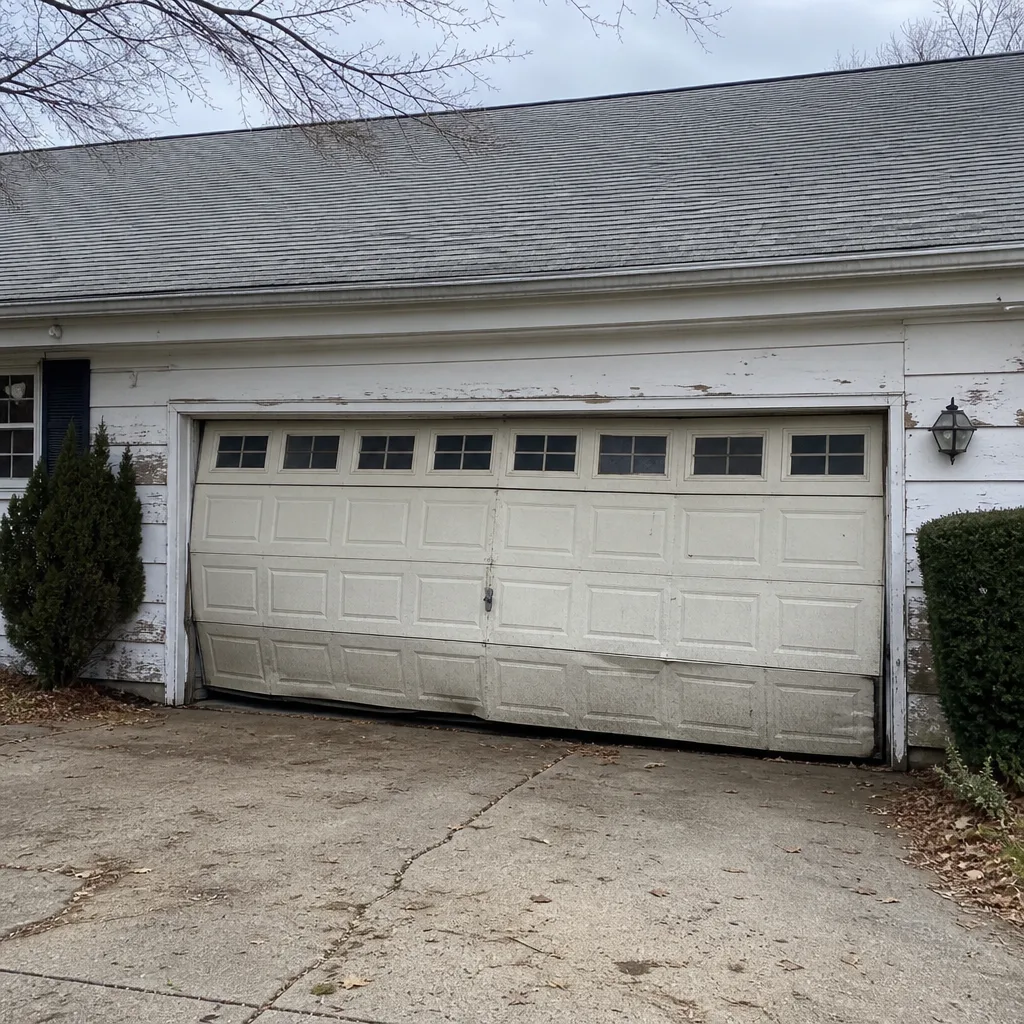
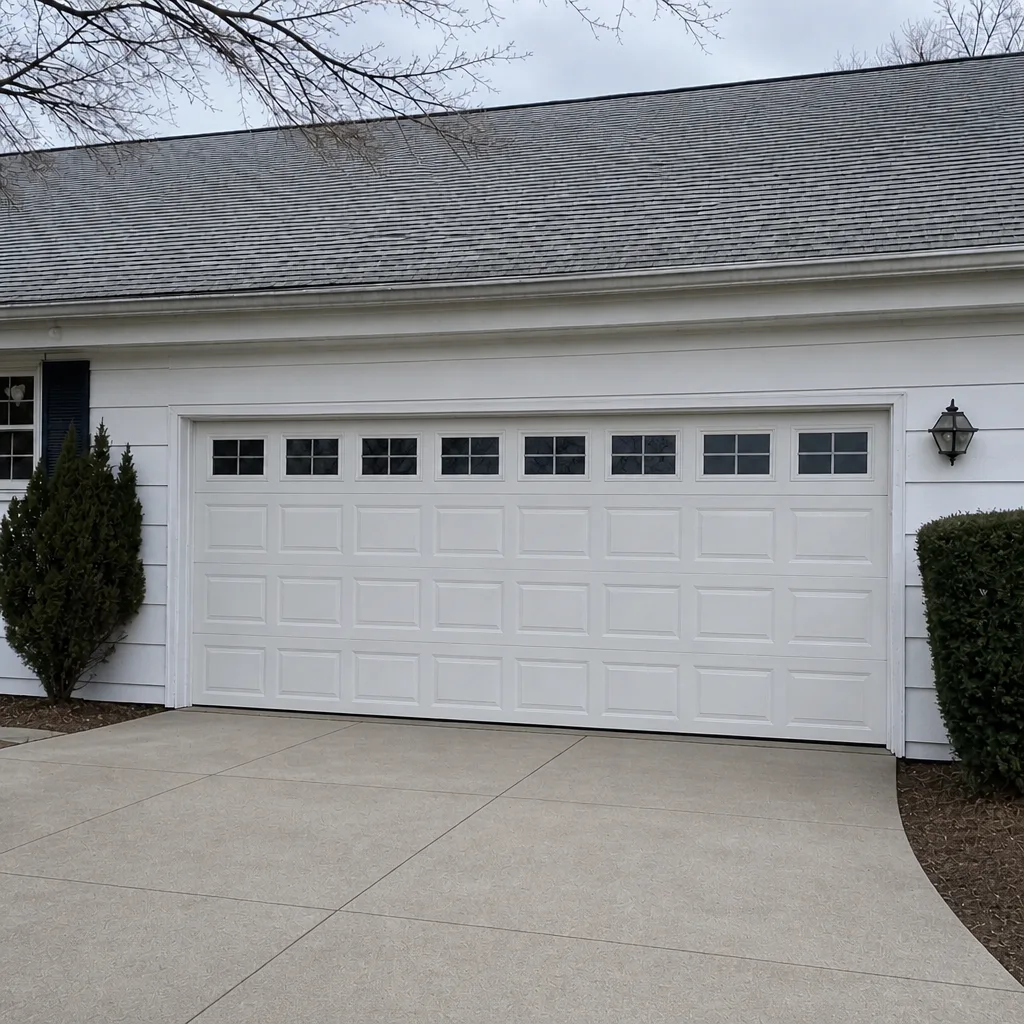
See the difference
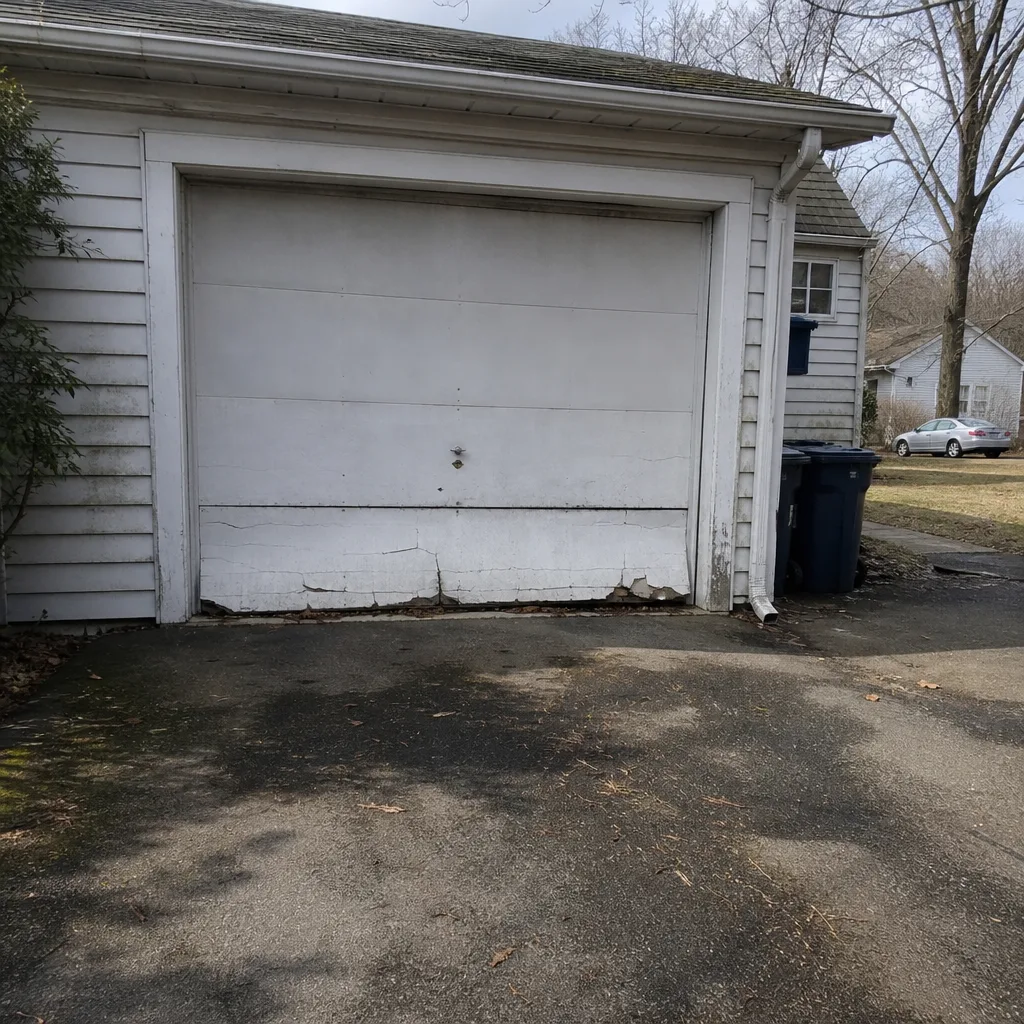 Before
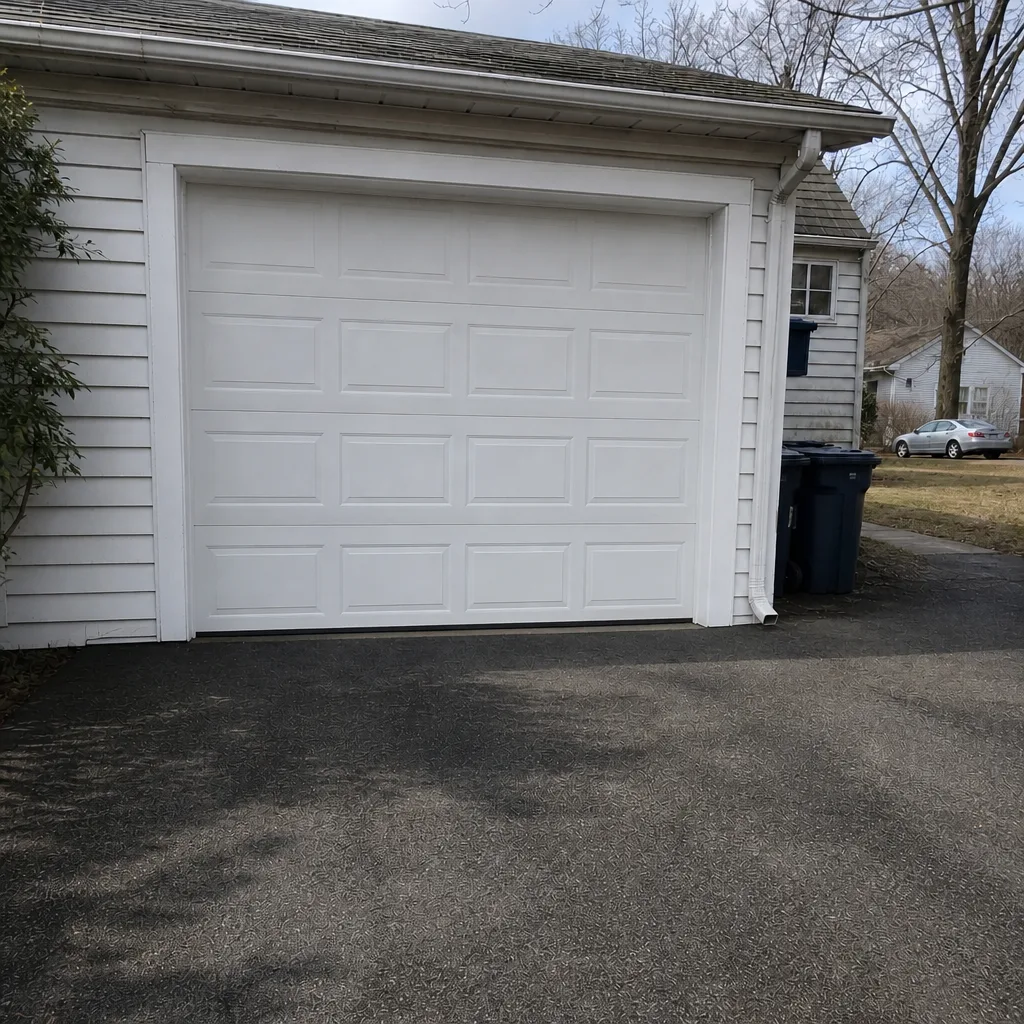 After
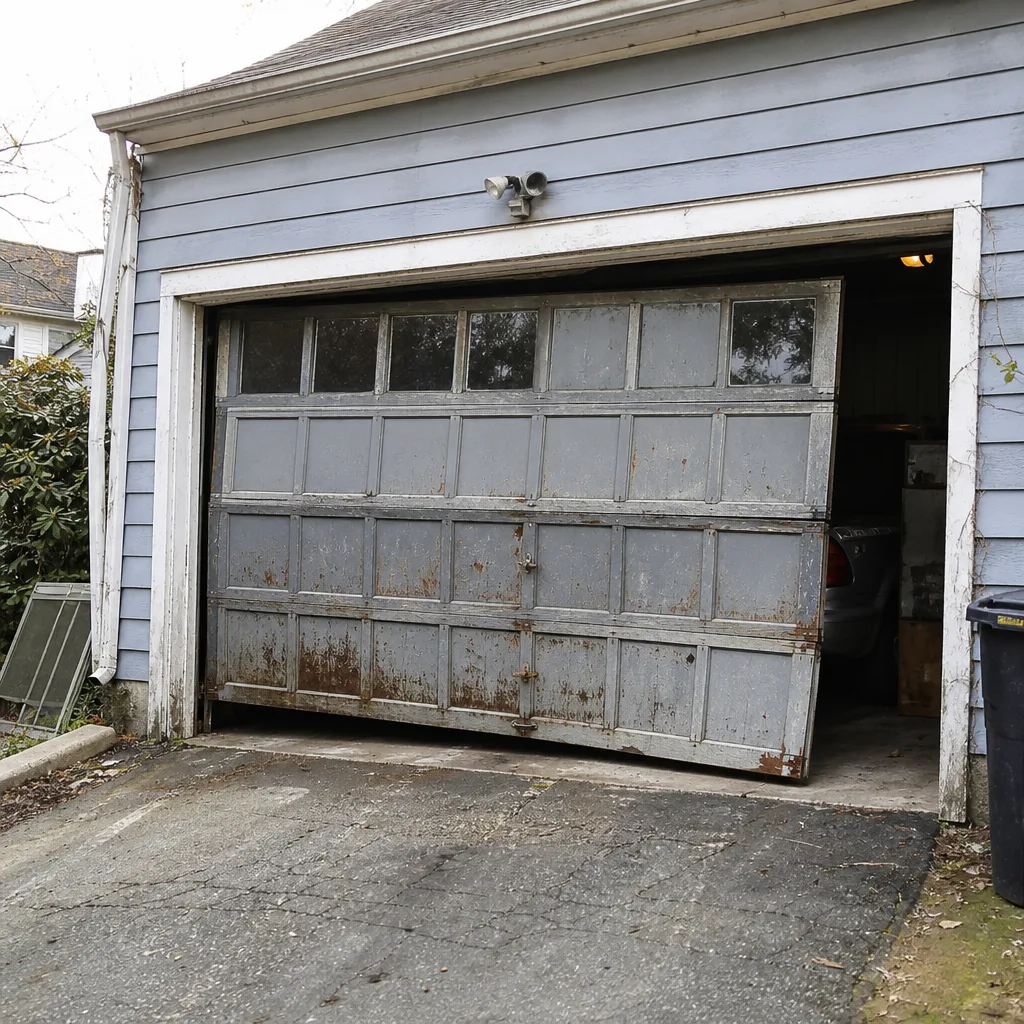 Before
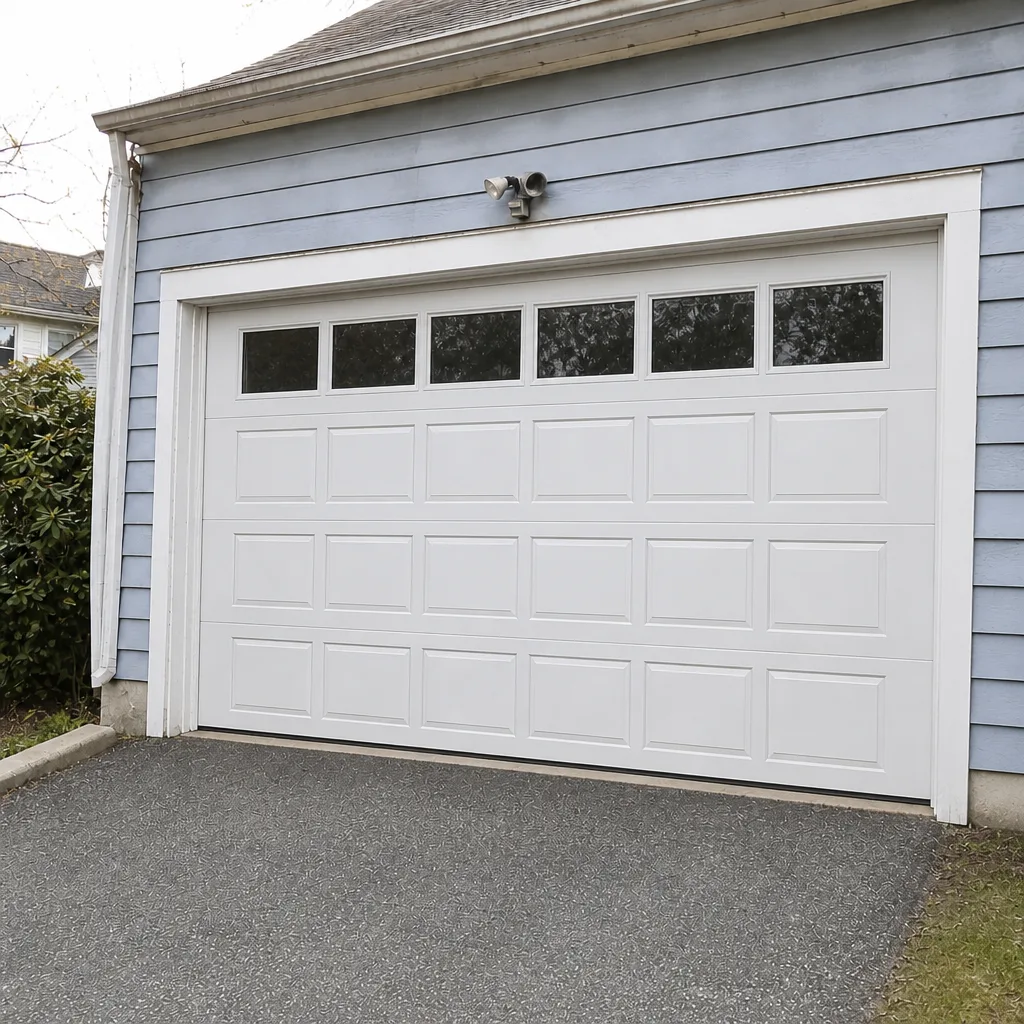 After
 Before
 After