
Last updated November 21, 2026
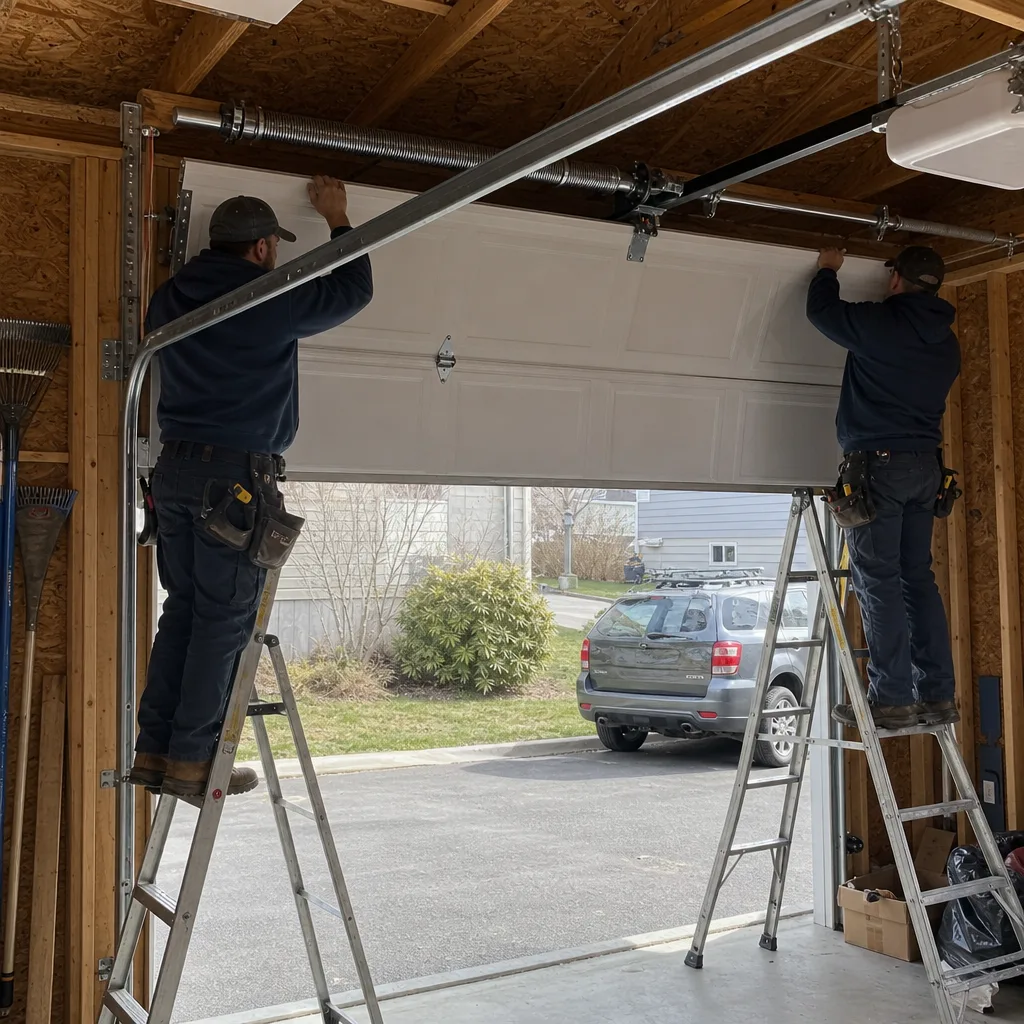
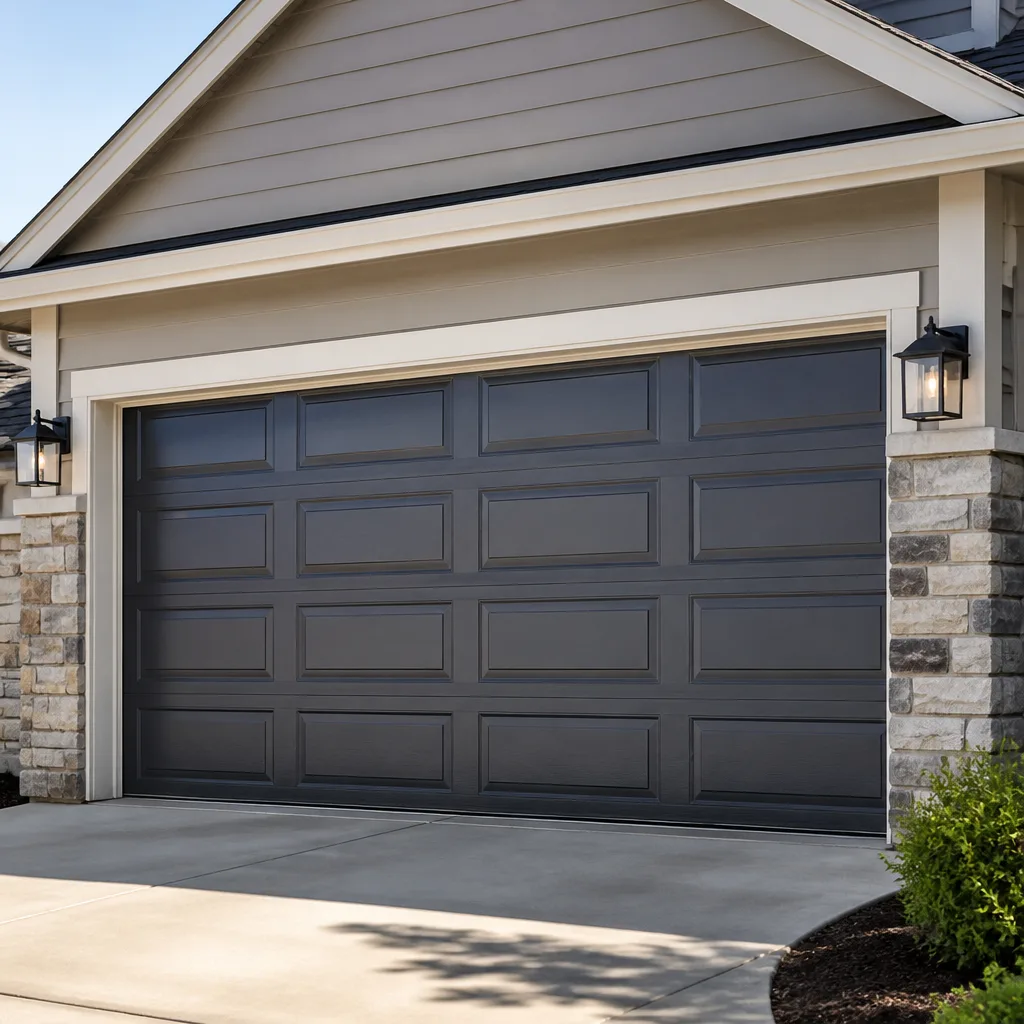 Raised-panel steel
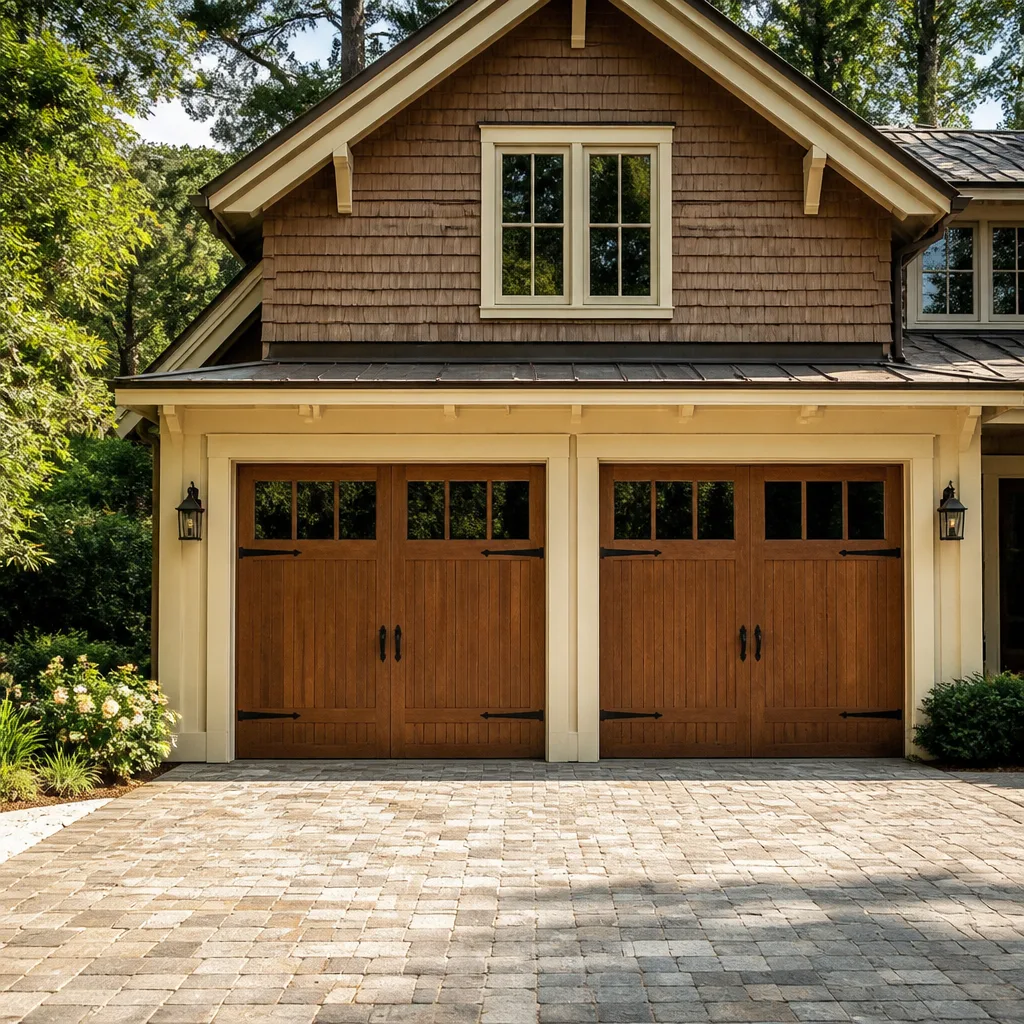 Carriage house
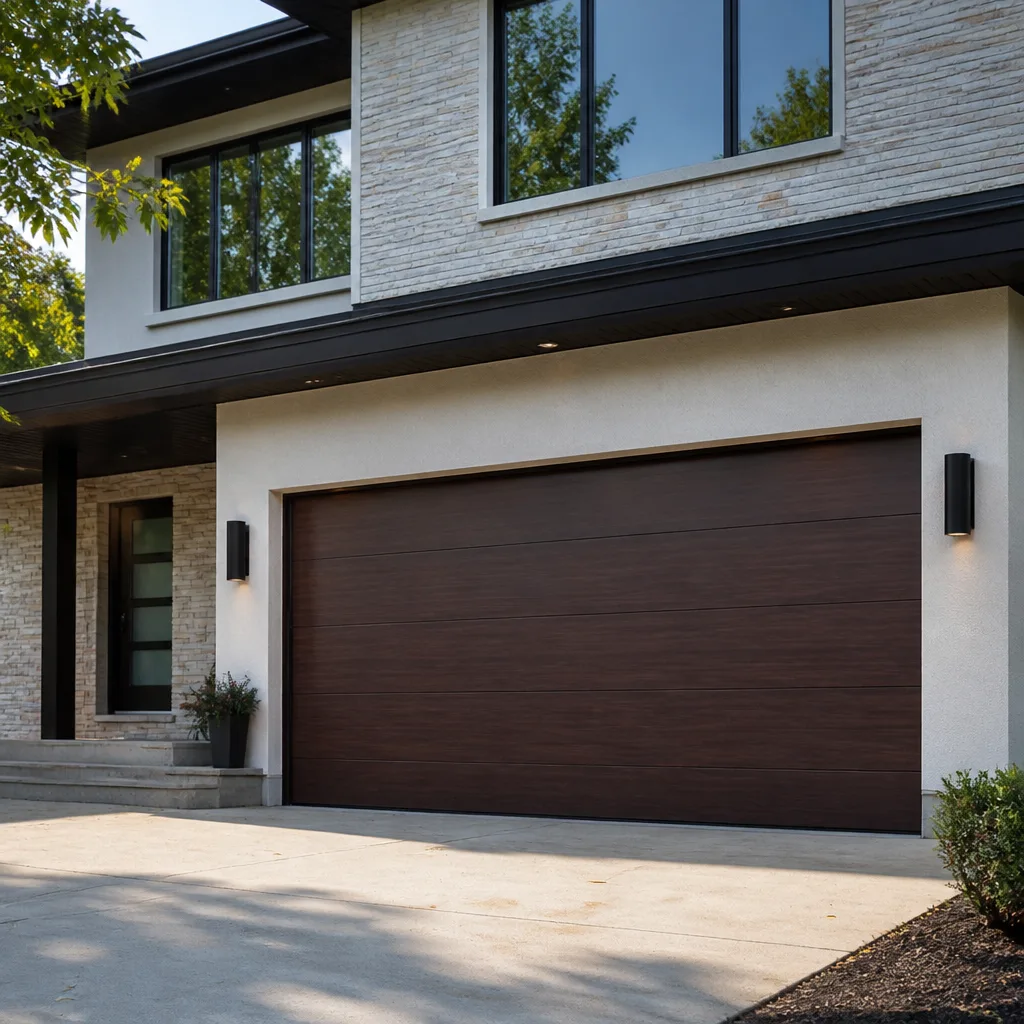 Modern flush
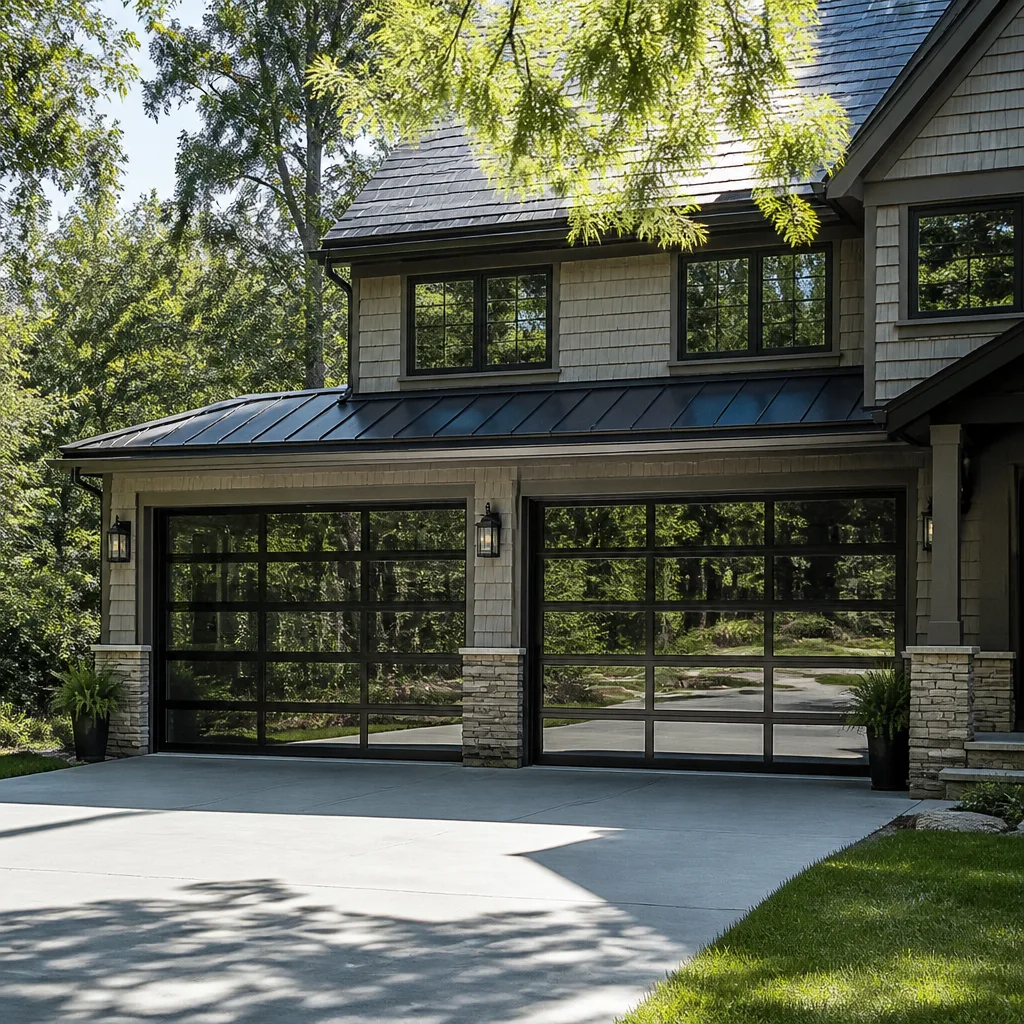 Full-view glass
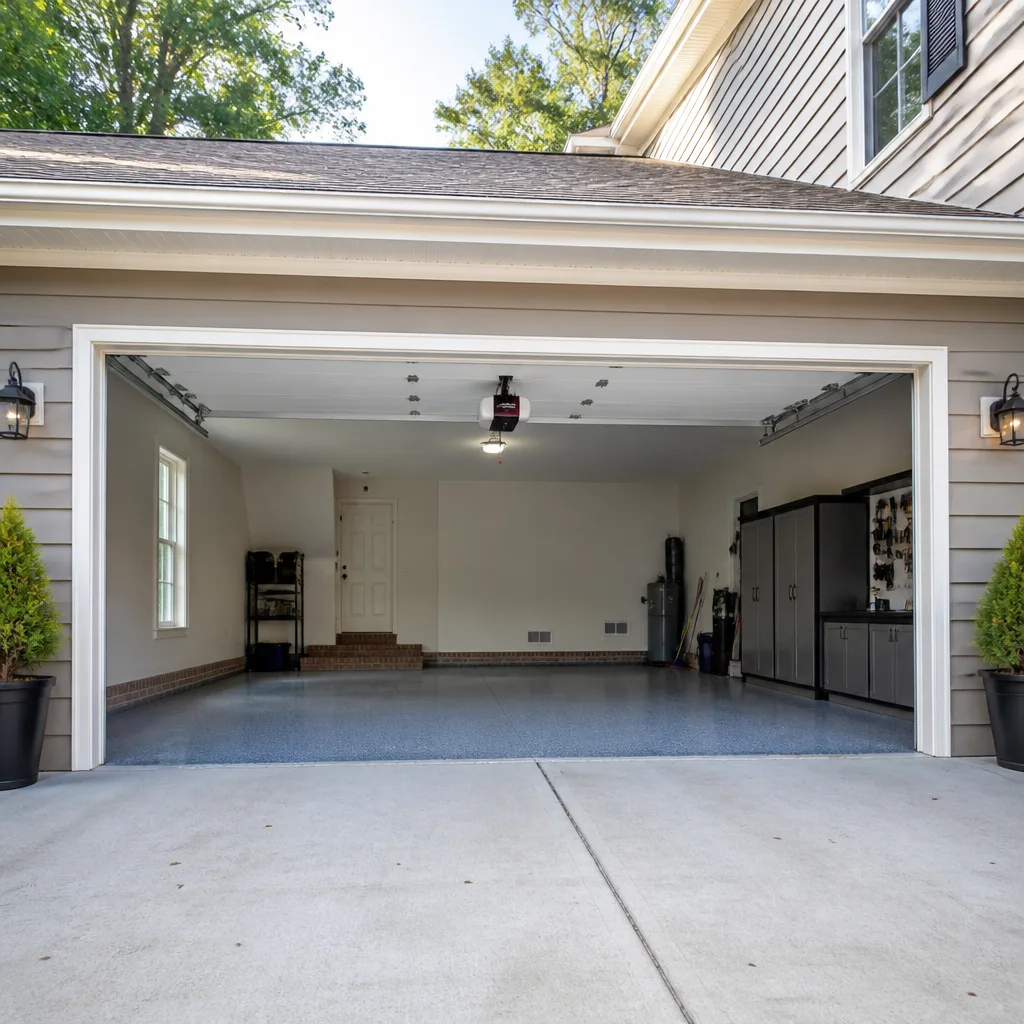 LiftMaster openers
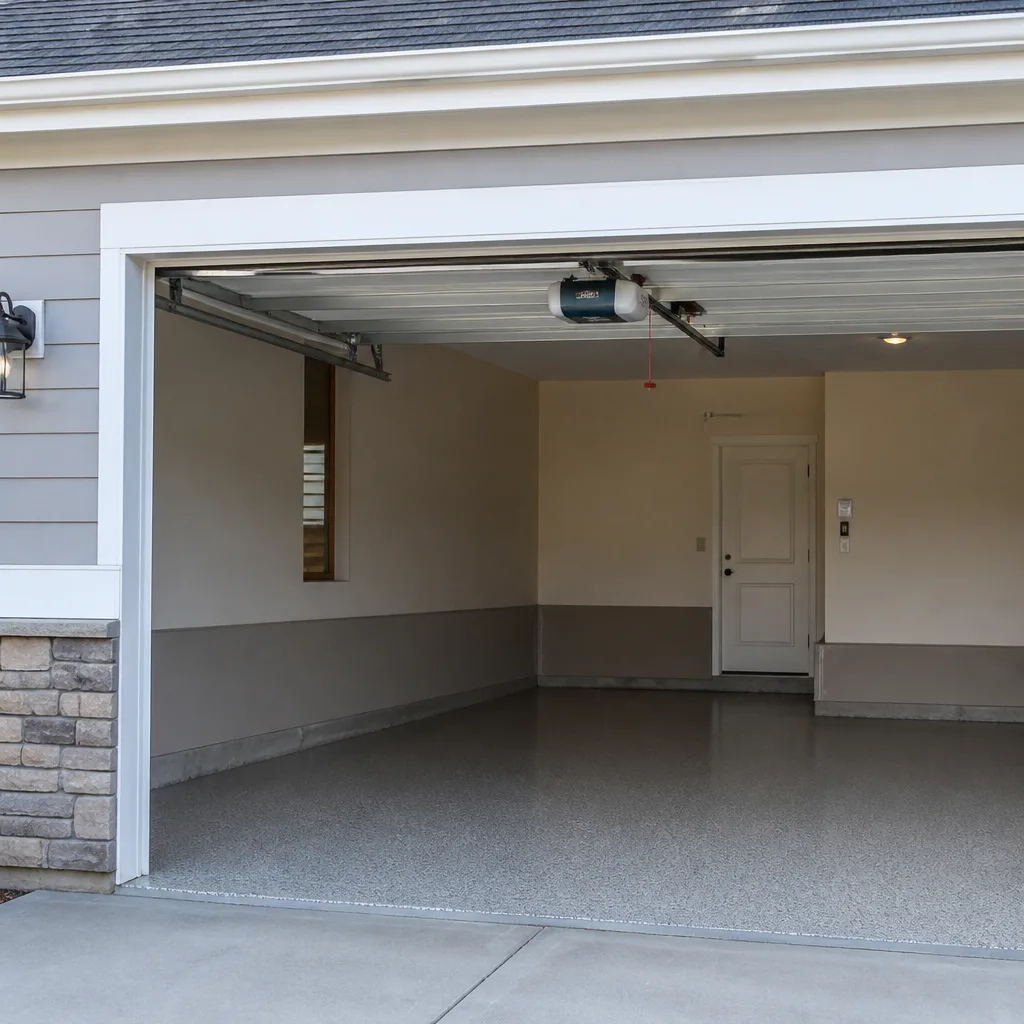 Chamberlain openers
Full 25-point door and opener safety check with every visit - springs, cables, rollers, tracks, and your LiftMaster or Chamberlain opener included
You get a price before we start. It does not change when the pro arrives.
Get your free estimateGarage Door Cost Breakdown: The Bristol Homeowner’s Reference for 2026
Most garage door cost guides online will tell you a replacement runs “somewhere between $800 and $4,200” and then leave you exactly as confused as you started. That spread isn’t random, and it isn’t a trick. It’s the sum of a handful of specific decisions: door material, gauge of steel, opener type, whether your header needs work, whether a new circuit has to be run, and where the old door goes when it comes down. A homeowner in Bristol who understands those variables can look at a quote and know, line by line, whether it reflects the actual job or a margin that was added because nobody asked. This guide walks through what each component costs in the Bristol market, why Connecticut quotes run higher than the national calculators suggest, and the exact questions to ask before you sign anything.
Quick Answer
A garage door replacement in Bristol, CT typically runs $800 to $4,200 installed, with the widest swings coming from door material and gauge, opener choice, and whether structural or electrical work is needed. A single-car steel door with a basic opener sits near the bottom of that range; a double-car insulated door with a smart opener and header repair sits near the top. Spring repair and opener repair are separate, smaller line items that usually fall well under the replacement floor.
Styles & brands we work with
- Raised-panel steel
- Carriage house
- Modern flush
- Full-view glass
- LiftMaster openers
- Chamberlain openers
Table of Contents
- Line-Item Cost Breakdown by Component
- Why Bristol Quotes Run Higher Than National Calculators
- The Steel Gauge Multiplier: What You Give Up Going Lighter
- Hidden Cost Drivers: Header Work, Electrical, Disposal
- How to Tell a Competitive Quote from a Scope Reduction
- Repair vs. Replace: The Break-Even Math
- Questions to Ask Before Accepting Any Quote
- Common Mistakes to Avoid
- When to Call a Professional
Line-Item Cost Breakdown by Component
The cleanest way to read any garage door quote is to break it into five buckets: door and panels, hardware, opener, labor, and disposal. National averages lump these together, which is exactly why the totals never match what you’re quoted locally. Here’s how each bucket typically shakes out in the Bristol market.
| Component | Typical Bristol Range (installed) | Notes |
|---|---|---|
| Single-car steel door (non-insulated) | $800 – $1,400 | 24 or 25-gauge, basic raised-panel |
| Single-car insulated steel door | $1,200 – $2,000 | Adds thermal layer and quieter operation |
| Double-car steel door (non-insulated) | $1,400 – $2,400 | Common for Bristol two-car garages |
| Double-car insulated steel door | $2,000 – $3,200 | Insulation and gauge both drive price |
| Hardware package (tracks, rollers, hinges, brackets) | $150 – $400 | Often bundled into install price |
| Opener (chain drive, standard) | $350 – $550 | Includes install and basic remotes |
| Opener (belt drive or smart/Wi-Fi) | $500 – $850 | Chamberlain and Genie widely installed |
| Labor (removal and install) | $400 – $900 | Higher for double doors, header repair |
| Old door disposal | $75 – $175 | Skip the fee and you haul it yourself |
Add those up and you can see how a single-car job lands at the $800 floor and a double-car insulated job with a smart opener lands near $4,200. If a quote is significantly below the floor without a corresponding scope reduction, that’s a signal to ask what’s missing. If it’s above the ceiling, ask what extra line items justify the gap.
Why Bristol Quotes Run Higher Than National Calculators Suggest
Online calculators pull from national averages that don’t reflect Connecticut labor rates. The gap between what a calculator spits out and what a Bristol contractor quotes is real, and it comes from a few specific places.
First, Connecticut labor rates run higher than the national mean for skilled trades. That’s not a Bristol-specific quirk; it’s a statewide cost-of-living and wage reality. A skilled installer working in Bristol needs to earn enough to live in or commute to the area, and that shows up in the labor line.
Second, licensing and insurance overhead in Connecticut adds to every legitimate quote. A contractor carrying proper liability coverage and workers’ compensation pays more in operating costs than someone operating without it. That overhead isn’t optional for a company that plans to be accountable when something goes wrong – it’s the cost of doing the job right. If a quote is dramatically lower than others, ask directly whether the company is licensed and insured as the state requires.
Third, the housing stock in Bristol skews older, and older garages tend to need more prep work. Header boards that have taken on moisture, tracks that are out of square, and door openings that have shifted over time all add labor. A calculator assumes a clean install on a level opening; a real Bristol job often doesn’t.
Fourth, disposal costs in this region are what they are. Hauling a steel door to a transfer station isn’t free, and it’s a line item you should expect to see.
Comparing a Bristol quote to a calculator built on national data will always feel like apples to oranges. The right comparison is Bristol quote to Bristol quote, broken into the same five buckets.
The Steel Gauge Multiplier: What You Give Up Going Lighter
The gauge of the steel is the single most overlooked number on a garage door quote. Gauge works backwards from what most people expect: a lower number means thicker steel. So 24-gauge is thicker and heavier than 25-gauge, and 27-gauge is lighter still.
- 24-gauge: The thicker, heavier option. Resists denting better, holds its shape longer, and feels more solid. Costs more per door.
- 25-gauge: The most common middle ground. Lighter than 24 but still serviceable for most residential use.
- 27-gauge: The lightest residential grade. Cheaper, but the shell dents more easily and can oil-can over time.
What you’re actually giving up by going lighter is durability, not function. A 27-gauge door opens and closes just fine. But in a household where kids ride bikes in the driveway, where the door gets bumped, or where it faces a wind-exposed side of the house, the denting adds up and the door can start to lose alignment. Going one gauge heavier on the initial install is almost always cheaper than replacing a dented panel two or three years later.
Brands matter here too. Clopay and Amarr both manufacture across multiple gauges, so the same door style can come in different shell weights. When a quote just says “steel raised panel” without stating the gauge, that’s a gap to close before you sign.
Insulation is the other half of the material conversation. An insulated door costs more than an uninsulated one in the same gauge, and for a garage that shares a wall with the house or gets used as a workspace, the insulated option pays back in comfort and noise reduction. For a detached, unheated garage, the insulation premium is harder to justify.
Hidden Cost Drivers: Header Work, Electrical, Disposal
These are the line items that turn a mid-range quote into a top-of-range one, and they’re the ones a homeowner is most likely to be surprised by if they weren’t disclosed upfront.
Header Work
The header is the structural beam above the garage door opening. If it’s rotted, sagging, or undersized for the new door’s weight, it has to be repaired or replaced before the door goes up. This is common in older Bristol homes where the original header has taken on moisture over the years. Header repair typically adds several hundred dollars to a job and usually requires a permit. Most cities require a permit for structural work of this kind, so ask your city’s building department what applies to your address.
Electrical for a New Opener Circuit
If the garage has never had an opener, or the existing circuit isn’t adequate for a new smart opener, an electrician may need to run a new circuit. That’s outside the scope of a garage door company and adds a separate cost. For homes with an existing opener circuit, this line item disappears. Smart openers from Chamberlain and Genie draw similar power to legacy units, so an existing circuit is usually fine – but a licensed electrician should verify it.
Disposal
Removing and hauling the old door is labor and a transfer station fee. A quote that doesn’t mention disposal either includes it in the labor line or expects you to dispose of the door yourself. Ask which.
How to Tell a Competitive Quote from a Scope Reduction
A low quote isn’t automatically a bad quote, and a high quote isn’t automatically a good one. What separates a competitive price from a scope reduction is what’s actually included. Here’s how to check, in order.
- Compare the door spec line by line. Same brand, same model, same gauge, same insulation. If one quote says “Clopay raised panel” and another names the specific model, the vaguer one has room to slide.
- Check whether the opener is included. A quote that lists door and labor but no opener isn’t a full replacement price. Add the opener range and see where the total lands.
- Confirm hardware is new. Reusing old tracks, rollers, and hinges saves the installer money and costs you reliability. New hardware should be stated.
- Ask about disposal explicitly. “We haul the old door away” in writing is different from “disposal not included.”
- Ask whether the price is fixed or subject to discovery. A legitimate quote based on an on-site measure is fixed. A quote based on photos or a phone description has room to grow.
- Read the labor language. If it says “does not include header repair or electrical,” you know those are additional.
A scope reduction quote isn’t dishonest – it’s just an incomplete comparison. The problem is when a homeowner accepts it thinking it’s the same job at a lower price. It isn’t.
Repair vs. Replace: The Break-Even Math
Not every garage door problem is a replacement problem. Spring repair, opener repair, and track realignment are all cheaper than a full door. The break-even math depends on what’s failing and how much of the door is affected.
- One broken spring: Repair. Spring repair is a fraction of replacement cost. Spring repair is a dedicated service for a reason – torsion and extension springs are the most dangerous component in the entire system, and handling them safely requires specialist training.
- Opener not working, door otherwise fine: Repair or replace the opener only. This is where brand familiarity matters – a technician who already knows LiftMaster, Chamberlain, Genie, and Craftsman systems diagnoses faster than one learning the unit on your dime.
- Single dented panel, rest of door solid: Panel replacement if the model is still available. If it’s discontinued, matching becomes the challenge.
- Multiple failing sections, worn tracks, aging opener: Replacement usually wins on total cost over the next several years.
- Door off-track or jammed: garage door repair first. If the structural integrity is intact, realignment is far cheaper than a new door.
For a fuller picture of when a garage door spring repair call is the right move versus when the door is past its useful life, the spring specifically is usually the deciding factor – a door that needs springs and an opener and tracks is a door that needs replacing.
Questions to Ask Before Accepting Any Quote
These are the questions that separate a homeowner who gets a fair price from one who gets surprised. Ask them before you sign anything.
- Is the price based on an on-site measure, or an estimate from a description? A written quote based on a real measure is fixed. Anything else is subject to change.
- What gauge is the steel, and what brand and model is the door? Vague answers mean vague pricing.
- Is the opener included, or is it a separate line? Which brand and model?
- Is the hardware new, or reused?
- Is disposal included?
- Is header repair or electrical work needed, and is it in the quote or additional?
- What’s the written price, and does it change after the work starts?
- Are the technicians licensed and insured as the state requires?
The single most important objection to preempt is the invoice that’s bigger than the quote. A legitimate written estimate sets the price before any work starts. If a company won’t commit to that in writing, that’s the answer you need.
Common Mistakes to Avoid
- Comparing totals without comparing specs. A $1,200 quote and a $1,800 quote aren’t the same job if one is 27-gauge uninsulated and the other is 24-gauge insulated. Compare line items, not bottom lines.
- Skipping the on-site measure. A quote built from photos or a phone description is a guess, and guesses grow after the door is on the truck. Insist on an on-site measure before accepting any price.
- Assuming the low quote is the honest one. Low quotes often reduce scope: reused hardware, no disposal, opener excluded. Ask what’s missing before you assume the higher quote is padded.
- Replacing a door for a spring problem. A broken spring is a repair, not a replacement. If a quote jumps straight to a new door for a single snapped spring, get a second opinion.
- Ignoring the header. In older Bristol homes, a sagging or rotted header is more common than homeowners expect. If it isn’t addressed, the new door will strain the tracks and the opener will work harder than it should.
- Letting a handyman attempt spring work. Springs are under extreme tension and can cause serious injury if handled without the right tools and training. This is not a job for a generalist.
- Forgetting disposal and electrical as possible line items. Both can add to the total. Get them into the written quote upfront so the final invoice doesn’t surprise you.
When to Call a Professional
Some garage door issues are cosmetic. Others are genuinely dangerous, and the line between them isn’t always obvious. Call a professional if a spring has snapped or is visibly stretched, if the door is off its tracks, if the opener runs but the door doesn’t move, if you hear a loud bang from the garage, or if the door has become hard to lift by hand. Any of those signal a mechanical problem that a trained technician needs to look at – not a Saturday afternoon project. Spring work in particular is the most dangerous component in the system, and handling it requires proper tools and training.
Bristol Garage Door Repair Pros offers free estimates in Bristol – call (844) 693-1911. We answer 24/7. Fast dispatch from 7am to 7pm, Sunday through Friday. We work on LiftMaster, Chamberlain, Genie, Clopay, Amarr, Wayne Dalton, Craftsman, and Raynor equipment, so your system gets diagnosed by someone who already knows it, not someone learning it on your dime.
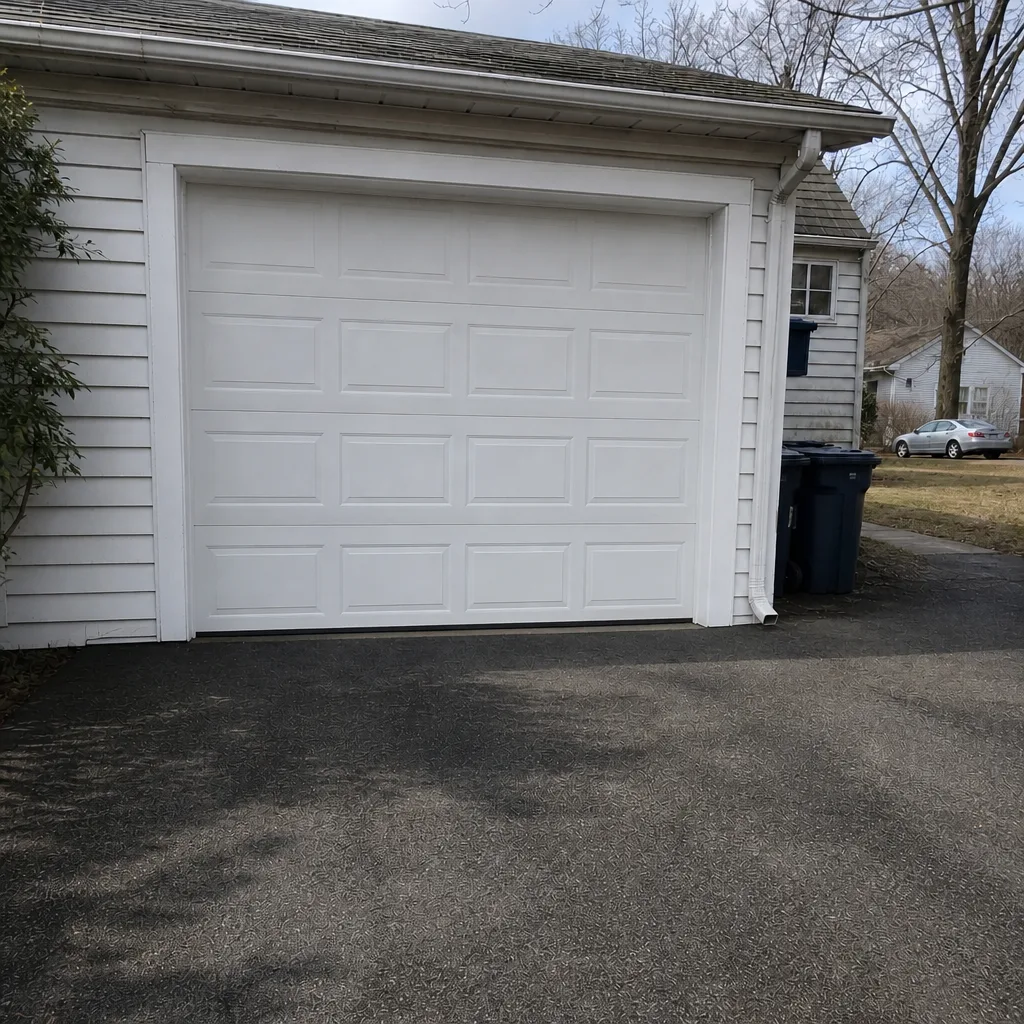
See the difference
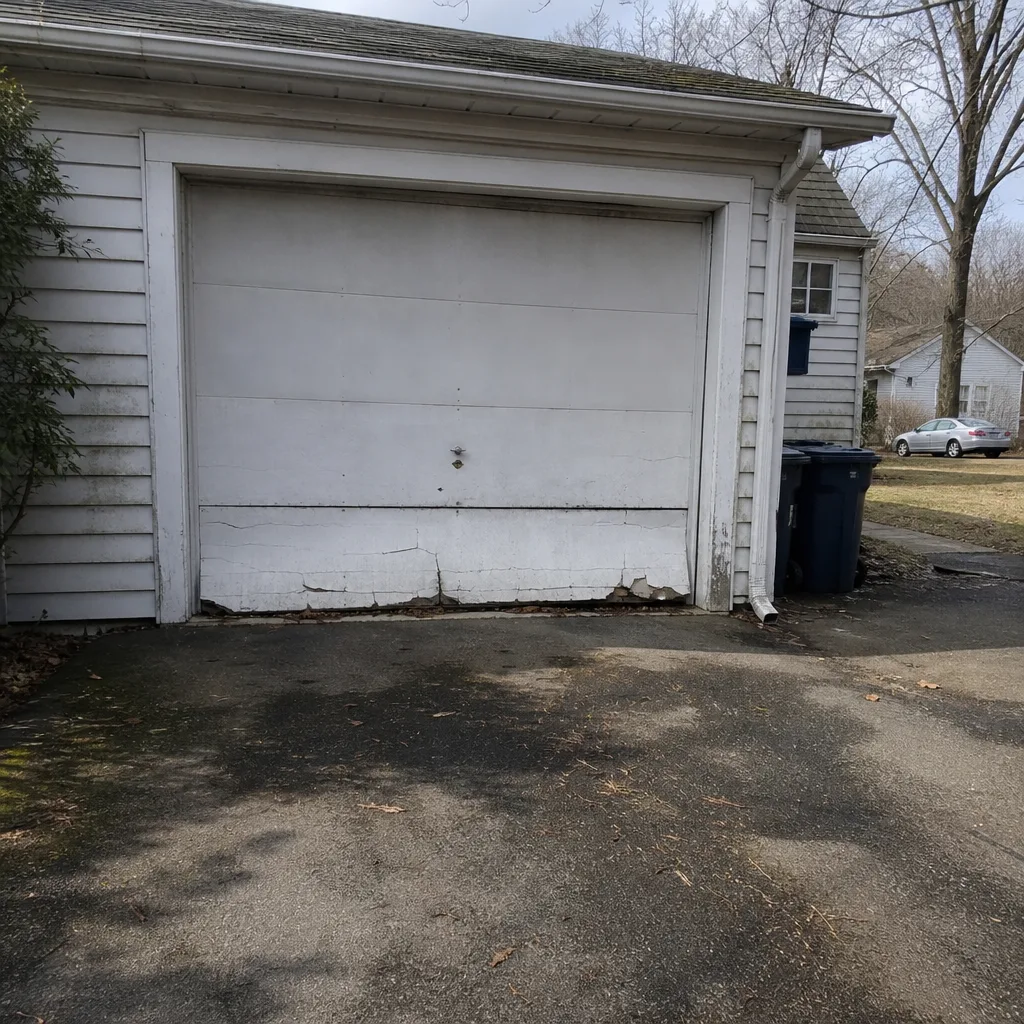 Before
 After
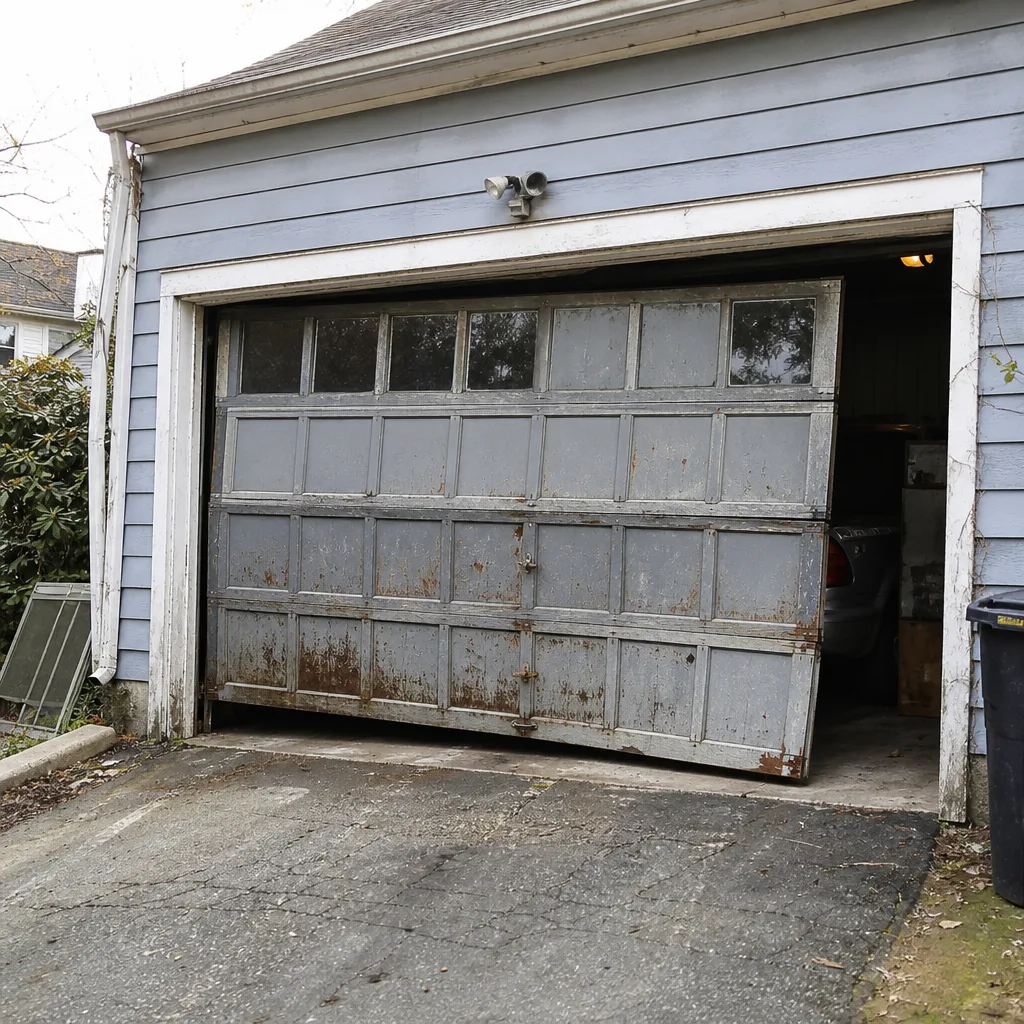 Before
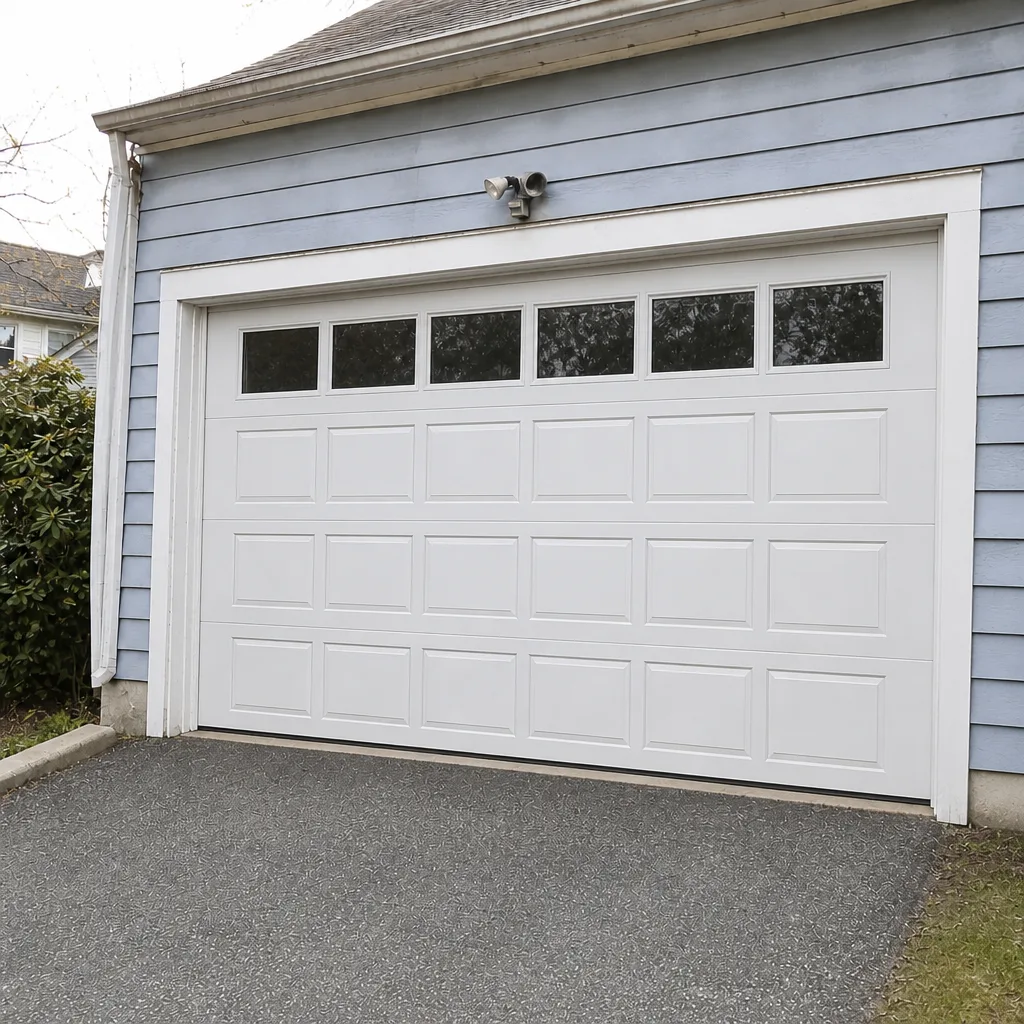 After
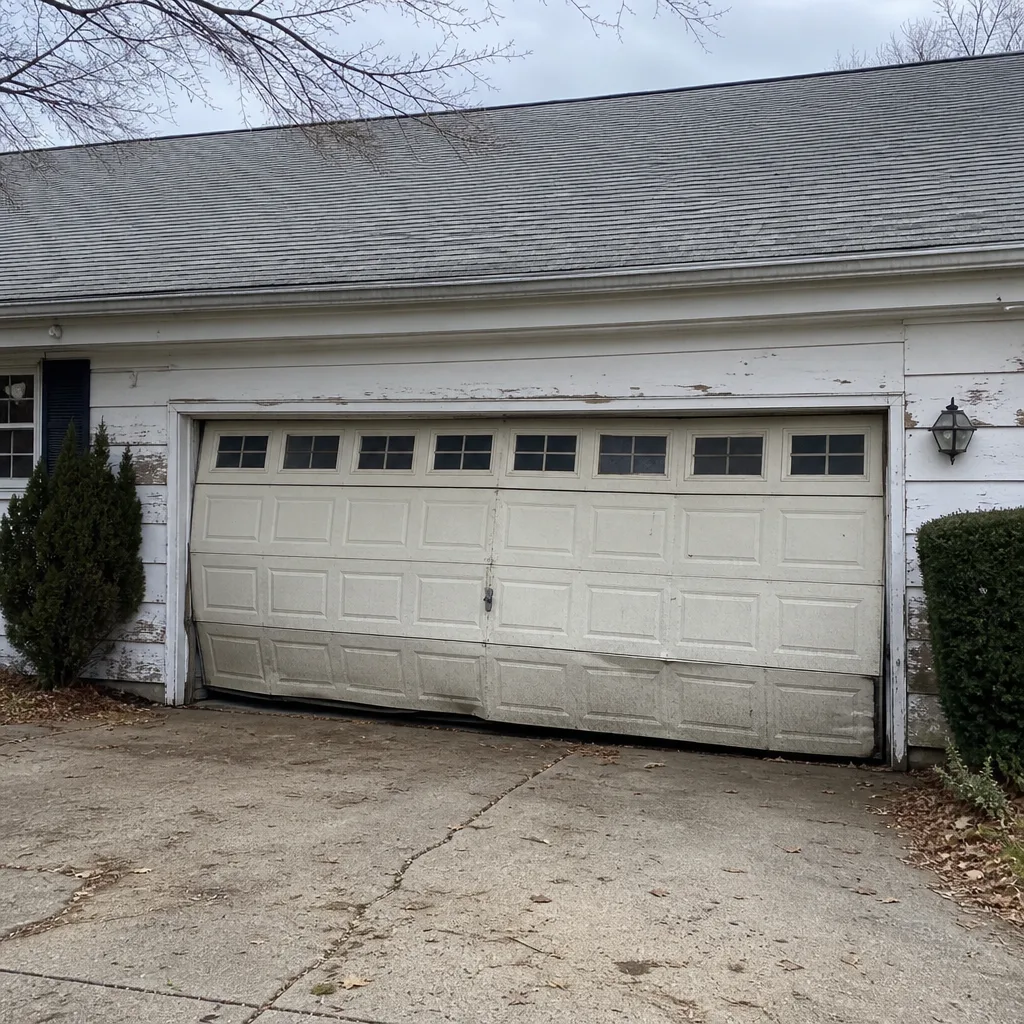 Before
 After
Frequently Asked Questions
A garage door replacement in Bristol typically costs $800 to $4,200 installed, with insulated double-car doors and smart openers at the top of that range and a basic single-car steel door near the bottom. Labor in Connecticut runs higher than the national average, so local quotes usually land above what online calculators suggest. Call (844) 693-1911 for a free estimate based on your actual door opening.
Connecticut labor rates, licensing and insurance overhead, older housing stock that needs header and track prep, and legitimate disposal fees all push Bristol quotes above national averages. A calculator assumes a clean install on a level opening; a real Bristol job often isn’t that clean. Comparing Bristol quotes to each other, broken into the same line items, is the only fair comparison.
Repair is cheaper for a single failing component – one spring, one opener, one panel. Replacement wins when multiple systems are failing at once or the door is structurally compromised. Spring repair in particular is almost always a repair call, not a replacement call. Call (844) 693-1911 for a free assessment before you commit to a new door.
24-gauge steel is thicker and heavier than 25-gauge, and it resists denting better. The difference is durability, not function – both doors open and close the same way. A thicker door costs more upfront and typically lasts longer in a busy household. Ask for the gauge in writing on any quote.
Only if the quote says so. Many replacement quotes cover the door, hardware, labor, and disposal but list the opener separately. A new opener adds $350 to $850 depending on drive type and smart capability. Read the quote carefully and ask directly if it’s unclear.
Spring repair is usually a same-day service when you call during dispatch hours. We answer 24/7, and a call outside dispatch hours is booked into the next opening, Sunday through Friday, 7am to 7pm. Spring repair is a dedicated service because torsion and extension springs carry real safety risk and demand specialist handling. Call (844) 693-1911 for a free estimate.
The Bottom Line
The spread between $800 and $4,200 on a Bristol garage door replacement isn’t random – it’s the sum of door material, gauge, insulation, opener type, header condition, electrical work, and disposal. A homeowner who can read a quote line by line, ask the eight questions above, and compare specs rather than totals has already removed the most common ways to be overcharged. Repair is usually cheaper than replacement for a single failing component, and spring work in particular should always go to a specialist. Bristol Garage Door Repair Pros covers repair, garage door opener repair, spring repair, and new installation across all eight major brands, and every price is set by the written estimate before any work starts. Call (844) 693-1911 for a free estimate – we answer 24/7, with fast dispatch from 7am to 7pm, Sunday through Friday.
Written by the team at Bristol Garage Door Repair Pros.